

Railings
SS 304 vs 202 vs 316: Which Stainless Steel Grade for Your Railing?
Stainless steel railings look identical on day one. Twelve months later, grade decides which ones stay bright. What 304, 202 and 316 actually are, where each belongs, and how to make sure you get the grade you paid for.
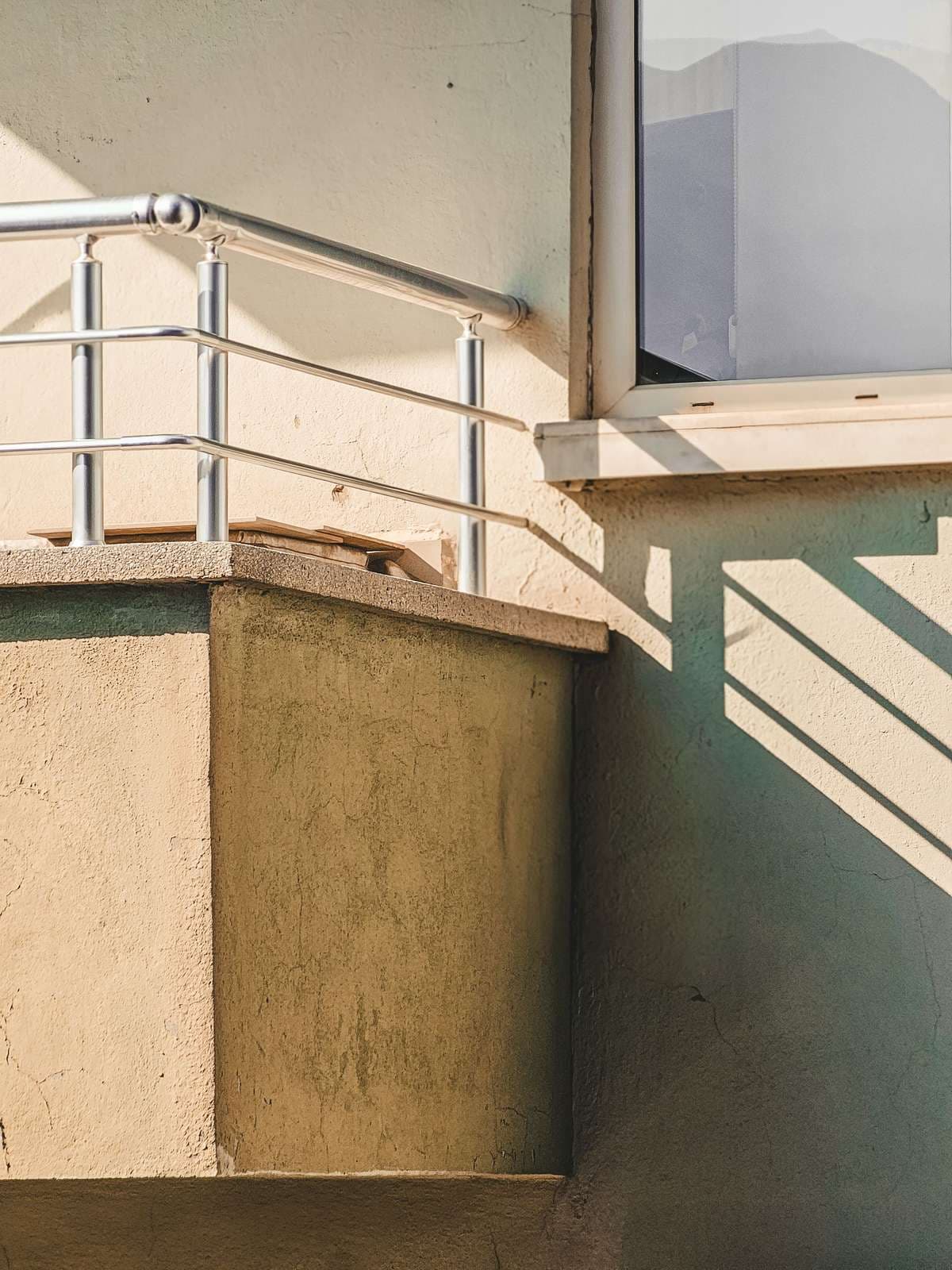
For an outdoor railing in Delhi NCR, SS304 is the grade to ask for: it has enough chromium and nickel to resist rust through monsoon, dust and pollution. SS202 costs less because manganese replaces much of the nickel; it's fine indoors but tends to stain and spot outdoors. SS316 adds molybdenum for extra resistance to chlorides and is meant for coastal sites, swimming pools and harsh industrial air; in Gurugram or Noida it's rarely necessary.
Grade is the single biggest hidden variable in a stainless steel railing quote. This guide explains what's behind the numbers, so you can read a quote and check the work.
What actually is the difference between 304, 202 and 316?
All three are austenitic stainless steels, which is the family used for most railings, sinks and kitchen equipment. Their resistance to rust comes from chromium, which forms an invisible protective film on the surface. The grades differ in what else is added. The figures below are approximate typical ranges; exact composition varies by standard and mill.
| Grade | Chromium (approx.) | Nickel (approx.) | Other key element | Corrosion resistance outdoors |
|---|---|---|---|---|
| SS202 | Around 17% | Around 4–6% | High manganese replaces some nickel | Fair; prone to staining and spots outdoors |
| SS304 | Around 18% | Around 8% | Balanced, the general-purpose grade | Good in normal city and suburban air |
| SS316 | Around 16–18% | Around 10–14% | About 2–3% molybdenum | Very good, including near salt and chlorine |
You can read a short explanation of the two most common grades on our glossary page SS304 vs SS202.
Why does SS202 stain outdoors?
With less nickel and chromium, SS202's protective film is weaker and repairs itself less readily. Outdoors, dust settles on the railing, holds moisture, and carries pollutants; rain dries in spots. The result is tea staining: a light brown discolouration, and in places small rust pits, especially at welds, joints and on the upper faces that collect dirt. It is often surface-only at first, but it's the opposite of why people buy stainless steel.
Indoors, in a dry stairwell or under a covered landing, SS202 can perform acceptably for years. That's why it's widely used for interior staircase railings. On an open balcony, a terrace, or a society's external stair, SS304 is the better choice. If your railing already shows brown marks, see SS railing rust spots.
When is SS316 actually worth it?
- Railings around a swimming pool, where chlorinated water splashes and evaporates on the steel.
- Coastal properties, where salt in the air attacks lower grades.
- Sites with harsh industrial air or chemical exposure.
- Places where cleaning will be rare and the railing must keep its look for decades.
For a balcony in Gurugram, Noida, Faridabad or Ghaziabad, SS304 with good welding and regular cleaning usually does the job. 316 isn't wrong, it just costs more than the conditions need.
How can you tell which grade you're getting?
This is where many people get caught. On installation day, 202, 304 and 316 look the same. Some practical checks:
- Get the grade in writing, on the quote and the invoice, covering tubes, fittings and fasteners.
- Ask for the mill test certificate or the supplier's invoice for the material; reputable suppliers can provide them.
- Ask about a chemical spot test or XRF check: many stainless suppliers can test a sample with a test kit or an analyser gun on request.
- Don't rely on a magnet: austenitic grades are mostly non-magnetic, but cold-worked 304 can become slightly magnetic, and the test doesn't separate 202 from 304 reliably.
- Look at the tube marking: some tubes are printed or etched with the grade, though markings can be absent or misleading.
Does finish and wall thickness matter as much as grade?
Nearly. A smooth, polished surface holds less dirt and resists staining better than a rough one. Satin or hairline finishes hide scratches and fingerprints; mirror finishes look premium but show every mark. Welds should be ground, polished and cleaned (pickled or passivated) after welding, because a heat-tinted weld is where rust appears first, even on 304.
Wall thickness decides how stiff the railing feels. A thin-wall tube dents easily and flexes under a lean. Ask what tube diameter and wall thickness the quote is based on, and compare like for like. Two quotes that differ only in tube gauge can look very different on paper.
| Quote item | What to ask | Why |
|---|---|---|
| Grade | 304 for all exterior parts? | Avoids mixed grades rusting at joints |
| Tube size and wall | Diameter and thickness of posts and rails | Stiffness and dent resistance |
| Finish | Satin/hairline or mirror | Look and upkeep |
| Weld finishing | Ground, polished and cleaned? | Welds stain first |
| Fixings | Anchor type and material | Strength and rust at the base |
| Glass (if any) | Type, thickness and clamps | Safety and fit |
How do you keep a stainless railing looking new?
- Rinse or wipe with water and mild soap every few weeks, more often during dusty months.
- Wipe along the grain of a satin finish, not across it.
- Avoid bleach, chlorine-based cleaners and steel wool; tiny steel fibres embed and rust.
- Remove early tea staining with a stainless steel cleaner before it pits.
- Keep cement, tile acid and paint off the steel during any building work nearby.
Which railing jobs use which grade?
At FabWise, the SS balcony railing, staircase railing and the stainless parts of a glass balcony railing are specified with the grade written into the quote. If you're weighing stainless against painted steel, our MS vs SS railing guide compares the two, and the SS railing price guide explains how grade and design move the cost.
In Delhi NCR, a railing is quoted after a ₹99 site visit, adjusted against your bill if you go ahead. For larger society or building railing projects outside NCR, for example in Chandigarh or Jaipur, send drawings or photos on WhatsApp and the team confirms scope and visit terms. See all railings.
Common questions
Which is better for a railing, SS 304 or SS 202?
For an outdoor or rain-exposed railing, SS304 is better because it has more chromium and nickel and resists rust and staining. SS202 is cheaper and can be acceptable indoors, in a dry stairwell, but tends to develop brown stains and small rust spots outdoors, especially at welds and joints.
Does SS 304 ever rust?
SS304 resists rust in normal city air, but it isn't immune. Dirt left on the surface, heat-tinted welds that weren't cleaned, steel wool used for cleaning or plain steel screws can all cause brown marks. Regular wiping and properly finished welds keep SS304 bright for many years.
Is SS 316 needed for a balcony railing in Gurugram?
Usually not. SS316 is meant for coastal sites, swimming pools and harsh chemical air, where chlorides attack lower grades. A well-welded, well-finished SS304 railing handles Gurugram and Noida conditions well. Consider 316 for a railing around a pool or where cleaning will be very rare.
SS 304 aur 202 ki pehchan kaise karein?
They look the same, and a magnet test isn't reliable. Ask for the grade in writing on the quote and invoice, ask for the supplier's mill test certificate, and ask whether a chemical spot test or XRF check can be done on a sample. Make sure fittings and fasteners are covered too.
Why is my stainless steel railing getting brown spots?
The most common causes are a lower grade such as SS202 outdoors, welds that were not cleaned after welding, dirt and pollution left on the surface, or plain steel screws and brackets rusting onto the stainless. Early marks can often be removed with a stainless cleaner; persistent rust points to grade or fixings.
What this page is about
Read next
- MS vs SS Railing: Which to Choose for a Gurgaon BalconyMild steel or stainless steel for a balcony railing in Gurugram? How each one handles rust, dust and monsoon, what it needs over the years, and when each is the right call.
- Glass Balcony Railings: Glass Type, Fixing and SafetyWhich glass, which fixing and which handrail make a glass balcony railing safe on a high floor in Gurugram or Noida, and how to keep it clean in a dusty city.
- Balcony Railing Height and Safety: A Practical Check for Indian HomesMost balcony accidents involve a railing that was tall enough on paper and climbable in practice. How to check height, gaps, footholds and fixing on your balcony, and how to fix the common problems.