

Railings
Balcony Railing Height and Safety: A Practical Check for Indian Homes
Most balcony accidents involve a railing that was tall enough on paper and climbable in practice. How to check height, gaps, footholds and fixing on your balcony, and how to fix the common problems.
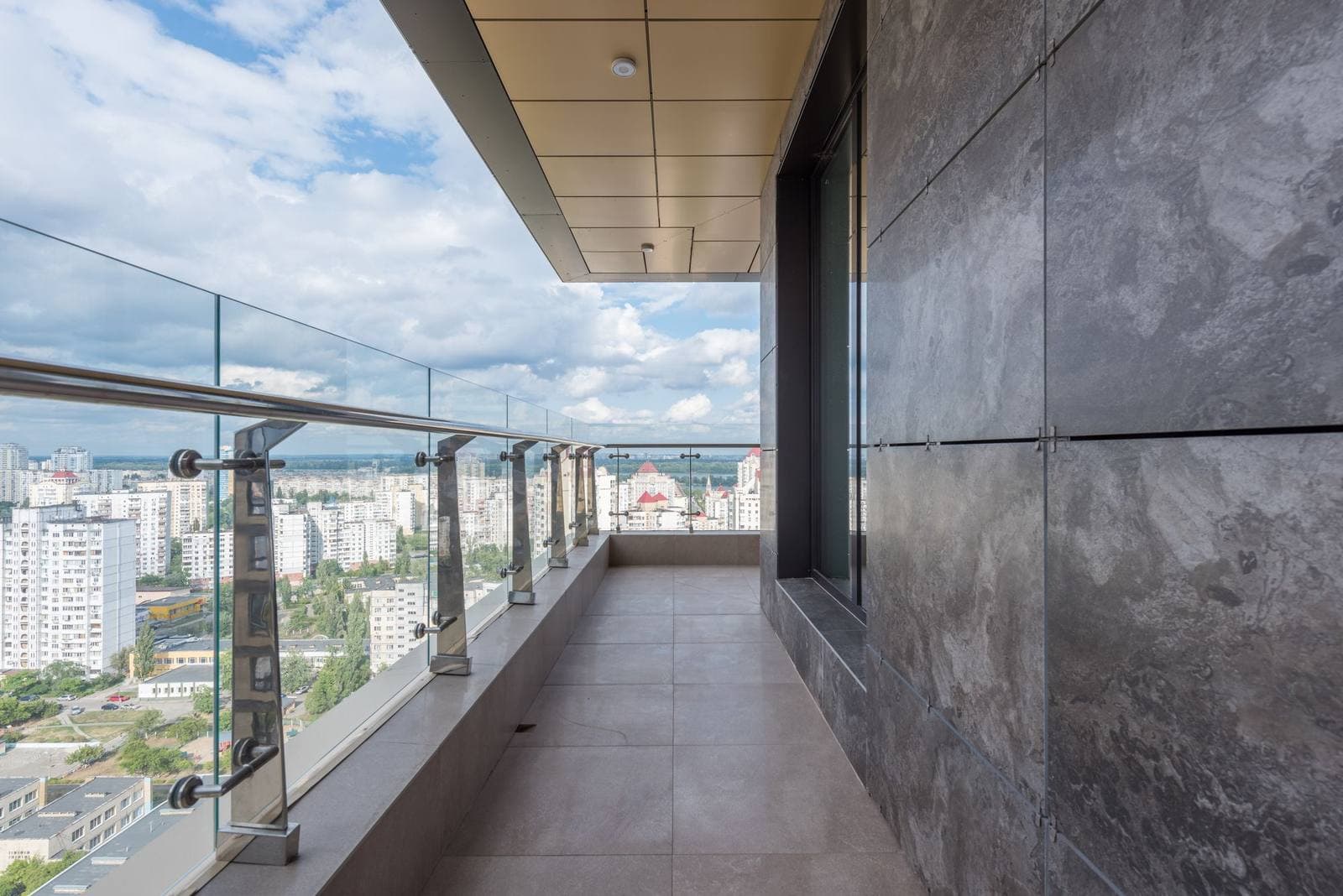
A safe balcony railing is tall enough measured from where a child can actually stand, has no gaps a child can pass through, offers no footholds to climb, and is anchored into the structure so it doesn't move under a lean. As a general guide, balcony railings are commonly built to around 1 metre (roughly 3.5 ft) or more above the finished floor, and taller on high floors; local building rules can set specific minimums, so a new railing should at least match what your building and authority require.
This page is a safety check you can run on a balcony in a Gurugram tower, a Noida society flat or a builder floor anywhere in Delhi NCR, before you change the railing or after you move in.
Where should railing height be measured from?
From the highest surface someone can stand on next to it, not from the floor slab. That changes things more often than people expect:
- A balcony re-tiled over old tiles, or raised with a wooden deck or artificial grass on a frame, can lose several inches of railing height.
- A step or raised ledge along the balcony edge becomes the real floor for a child standing on it.
- A built-in planter, bench, AC outdoor unit or water tank near the railing turns into a platform.
- The low parapet wall many railings sit on counts towards height only if it's too narrow to stand on.
How close should the bars or panels be?
The common guide is that no opening in the railing should let a sphere of about 4 inches (100 mm) pass through. That covers the gaps between balusters, the gap under the bottom rail, and the gaps between a glass panel and the wall or post. Many older builder railings have a larger gap at the bottom than between the bars, which is easy to miss.
| Check | What to look for | Simple fix |
|---|---|---|
| Gaps between bars | Any opening wider than about 4 inches | Add intermediate bars, mesh or a glass/polycarbonate infill behind |
| Gap at the bottom | Space under the bottom rail a child could slide through | Lower the rail, add a kick plate or infill |
| Horizontal members | Bars or patterns a foot can step on | Infill panel on the inside, or redesign with verticals |
| Height | Below about 1 m from the highest standing surface | Extend the railing upward with a top rail or glass |
| Movement | Posts or rail that flex when pushed | Re-anchor posts into the slab or beam |
| Corrosion at the base | Rust or cracks where posts meet the floor | Repair or replace the affected posts |
What makes a railing climbable?
Height is useless if a child can walk up the railing like a ladder. Climbable features include horizontal bars, decorative scrolls and rings, wide flat top ledges low down, and anything placed against the inside of the railing. Vertical bars and full infill panels, in glass, perforated sheet or mesh, are the least climbable designs.
Furniture is the other half of the problem. Chairs, stools, shoe racks, storage boxes and big pots put next to the railing give a child a step up. Keep a clear zone along the inside of the railing, and put movable furniture against the house wall instead.
How strong does a balcony railing need to be?
A railing has to resist people leaning, sitting and falling against it, not just stand upright. Strength comes from three things working together: the section size and wall thickness of the posts and rails, the spacing of the posts, and above all the anchoring into the slab or beam. Posts fixed only into tiles, screed or plaster can feel solid when new and loosen within a few years.
If your railing already moves, read railing wobbling and handrail loose. On glass railings, a panel that shifts in its channel needs immediate attention; see glass railing panel loose.
Is a glass balcony railing safe?
Yes, when it is designed for the job. Glass railings are commonly made with toughened laminated glass, so that if a panel breaks, the pieces stay held to the interlayer instead of falling. They are fixed in a continuous U-channel or on spigots anchored into the slab, often with a top handrail that ties the panels together. Glass has no footholds, which makes it one of the least climbable options. Our glass balcony railing guide covers glass types and fixings in detail, and balcony glass cracked explains what to do if a panel is damaged.
Does height matter more on upper floors?
Yes. Higher floors are windier, a fall is more serious, and people feel less secure next to a low railing. Many owners on upper floors of Gurugram and Noida towers add height with a glass panel or an extra top rail. In high-rise societies the building's facade is usually controlled by the RWA or maintenance agency, so any change has to match the approved look; glass infill fitted behind the existing railing is often the accepted route. See housing societies for how society-wide railing work is handled.
What are the quick safety upgrades for an existing railing?
- Clear everything climbable away from the railing: chairs, pots, boxes, the AC unit if it can be moved.
- Close gaps with transparent polycarbonate, toughened glass, or a tight mesh fixed on the inside.
- Add height with a top rail extension or a glass panel above the existing rail.
- Re-anchor any post that moves, and repair rusted bases.
- Fit a lockable door or child lock on the balcony door if small children are at home.
Which railing material should you choose for safety?
Any material can be safe if the design and fixing are right. SS balcony railings are low-upkeep and keep their strength without rust; MS balcony railings allow heavier sections but need a good coating to stay strong; glass balcony railings remove footholds altogether. Our MS vs SS railing guide compares upkeep and looks, and SS railing grades 304, 202 and 316 explains why the steel grade matters outdoors.
How is a safer railing quoted?
We don't publish rates for railings; the SS railing price and glass railing price guides explain what moves the figure. In Gurugram, Noida and the rest of Delhi NCR, a railing is quoted after a ₹99 site visit, adjusted against your bill if you go ahead, and the measurement includes the real standing surfaces and the fixing conditions. See railings in Gurgaon, railings in Noida, railings in Delhi or the full railings range.
Common questions
What is the standard height of a balcony railing in India?
Balcony railings are commonly built to around 1 metre, about 3.5 ft, or more above the finished floor, and higher on upper floors. Local building rules and your building's approved design can set specific minimums, so a new railing should at least match those. Measure from the highest surface a person can stand on.
How much gap is safe between railing bars?
A common guide is that no opening should let a 4 inch (100 mm) sphere pass through. That includes gaps between bars, the space under the bottom rail and the gap between the railing and the wall. Close larger gaps with extra bars, mesh or a glass or polycarbonate infill.
Balcony railing bachchon ke liye safe kaise banayein?
Clear chairs, pots and boxes away from the railing so there is nothing to climb, close any gap wider than about 4 inches with mesh, polycarbonate or glass, and add height if the railing is low. Re-fix any post that moves. A child lock on the balcony door adds another layer.
Is a glass railing safe for a balcony with children?
A well-designed glass railing is one of the safest options because there are no footholds to climb and no gaps to slip through. It should use toughened laminated glass, fixed in a proper channel or on spigots anchored into the slab, with a top handrail where appropriate.
Can I increase the height of my existing balcony railing?
Usually yes. A top rail extension or a glass panel fixed above or behind the existing railing adds height without replacing it. In a society, check with the RWA first because the external look is often controlled. The extension has to be fixed as firmly as the railing itself.
Why does my balcony railing shake when I lean on it?
Usually the posts are fixed into tiles, screed or plaster rather than the concrete slab or beam, or the anchors have rusted or loosened. Weak welds and thin sections are other causes. A railing that moves should be re-anchored or repaired before anyone leans on it again.
What this page is about
Read next
- MS vs SS Railing: Which to Choose for a Gurgaon BalconyMild steel or stainless steel for a balcony railing in Gurugram? How each one handles rust, dust and monsoon, what it needs over the years, and when each is the right call.
- Glass Balcony Railings: Glass Type, Fixing and SafetyWhich glass, which fixing and which handrail make a glass balcony railing safe on a high floor in Gurugram or Noida, and how to keep it clean in a dusty city.
- SS 304 vs 202 vs 316: Which Stainless Steel Grade for Your Railing?Stainless steel railings look identical on day one. Twelve months later, grade decides which ones stay bright. What 304, 202 and 316 actually are, where each belongs, and how to make sure you get the grade you paid for.