

Windows · Monsoon leaks
Window leaking rain water in Gurgaon: finding the leak and stopping it
Most window leaks come from blocked drainage (weep) holes in the bottom track, failed silicone between the frame and the wall, or worn interlock seals between shutters. Clear the weep holes first; if water still enters, the outer sealing has failed and needs redoing.
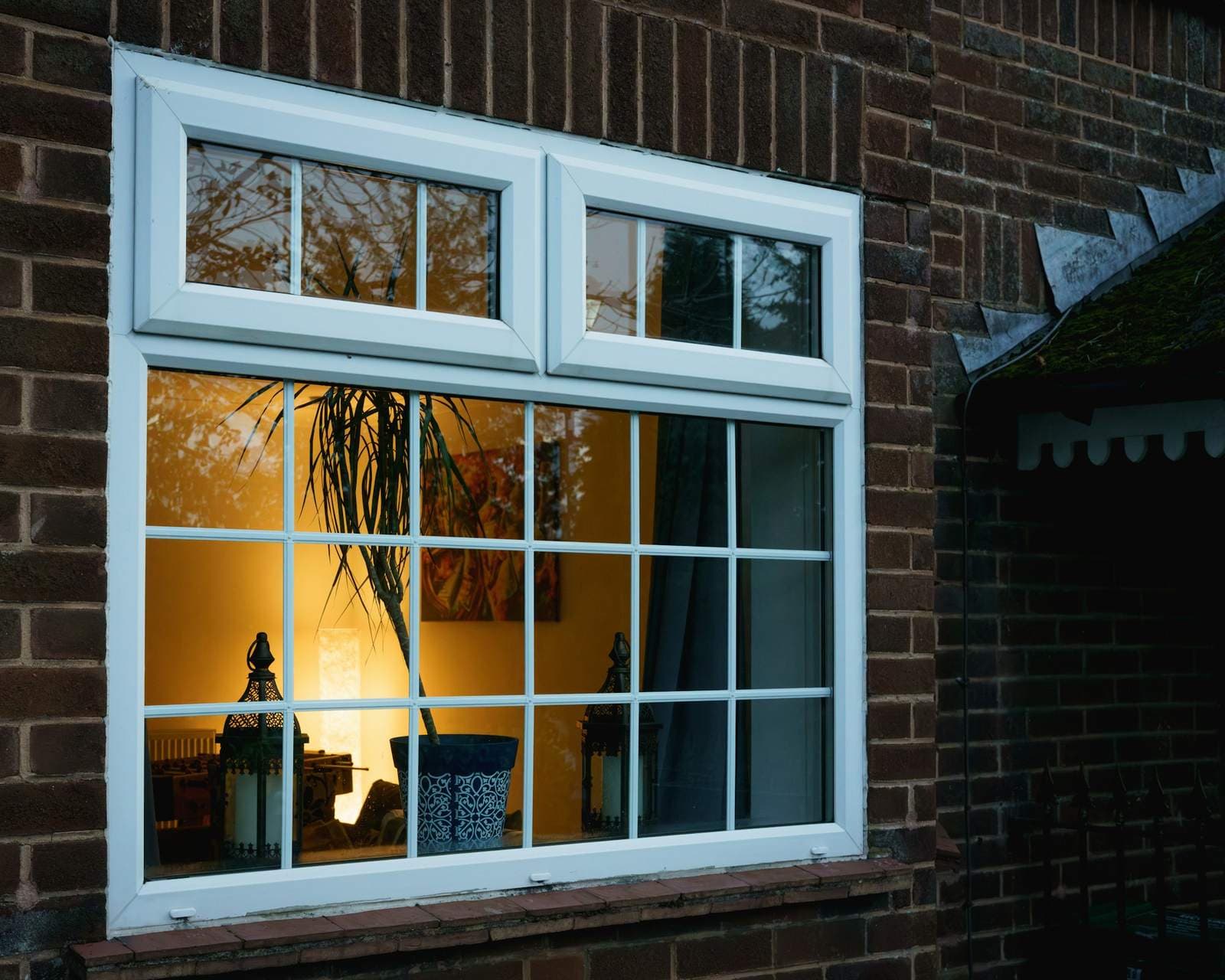
The first heavy monsoon shower is when most Gurugram residents discover their window leaks: a puddle on the sill, a damp patch below, or bubbling paint. Where the water shows up inside tells you where it's getting in, so look before anyone squeezes sealant into every gap.
The short answer
If water collects in the bottom track and spills over the inner lip, the weep holes are blocked. If the wall beside or below the window is wet, the joint between the frame and the masonry has failed. If water appears where two shutters meet, the interlock seal is worn or missing. Each has a different fix.
Where window leaks come from, most likely first
Blocked weep holes in the outer track
A sliding window track is meant to fill with some water in heavy rain and drain it out through small slots on the outside face. When those slots fill with dust, leaves or pigeon nesting, the track becomes a tray, overflows inward and the sill floods. In NCR, where dust storms run right up to the monsoon, this is the single most common cause.
Failed silicone between frame and wall
The outer joint between the window frame and the plaster is sealed with silicone or a weather sealant. Summer sun at 45°C and the expansion and contraction of an aluminium frame crack and peel it over a few years. Water then runs behind the frame and appears as a damp patch on the inside wall, often below the window rather than at it.
Worn or missing interlock and brush seals
Where the two shutters meet, an interlock profile with brush seals stops wind-driven rain. On cheaper windows these are thin or missing, and on older ones they've flattened. On a high-rise in Sector 150 or on the Dwarka Expressway, rain hits sideways, and a poor interlock lets it straight through.
Track sloping the wrong way, or no drip edge
If the window was fitted with the sill sloping inward, or the outer sill has no slope or drip groove, water runs toward the room rather than away from it. This is an installation fault and sealing won't fully cure it.
Gaps at the glazing beads or cracked glass sealant
Less common: the rubber gasket or sealant holding the glass in the shutter has shrunk, and water tracks in around the glass itself.
| Where the water shows | Likely cause | Fix |
|---|---|---|
| Track overflows onto the sill | Blocked weep holes | Clear the drainage slots |
| Damp patch on wall beside or below | Failed frame-to-wall silicone | Cut out and re-seal the outer joint |
| Drips where shutters meet | Worn interlock or brush seal | Replace seals; upgrade interlock |
| Water runs inward off the sill | Wrong sill slope, no drip edge | Correct the sill; may need refitting |
| Water around the glass edge | Shrunk gasket or glazing sealant | Re-gasket or re-seal the glass |
Safe checks you can do
- Find the weep holes on the outer face of the bottom track and clear them gently with a thin wire or a straw. Pour a mug of water into the track and watch whether it drains out.
- From inside, look at the silicone line where the frame meets the wall. Cracks, gaps and peeling edges are visible without going outside.
- Close the shutters and shine a torch along the interlock at night while someone looks from outside. Light through the gap means rain can get through too.
- Do not lean out of a high window to inspect the outer joint. That needs a ladder, a balcony or the right access.
Repair or replace?
Clearing weep holes, re-sealing the frame and replacing seals are repairs, and for a sound window they're the right answer. Replacement is worth considering when the window is an old, thin aluminium section with no proper interlock, when the sill was fitted the wrong way, or when you're also fighting dust and traffic noise. A uPVC window uses multi-chamber frames with welded corners and EPDM gaskets, which is why it's often chosen for rain- and dust-facing walls. A well-specified aluminium sliding window with a deeper track and proper drainage works too. Compare them in uPVC vs aluminium windows in Gurgaon, and see what affects cost in the uPVC window price guide.
How FabWise deals with a leaking window
Send a photo of the window from inside, one of the damp patch, and if you can, a short video of the track while it rains or after you pour water into it. That's often enough to tell a blocked drain from a failed seal. If someone needs to see it, the site visit is ₹99, adjusted against the bill if you proceed. New windows and repairs are quoted after the visit; we don't publish a rate for this work.
Keeping it dry next monsoon
Clear the weep holes in May, before the rains and after the dust storms. Check the outer silicone every couple of years, especially on south- and west-facing walls that take the full summer sun. Keep AC drain pipes and plant pots from dripping into window tracks. For balcony doors with the same leak, see sliding door off track and the aluminium sliding door page.
Related problems: window gap letting in dust and noise and sliding window hard to slide. For window work in Noida high-rises, see windows and doors in Noida, or browse the windows and doors catalogue. Send us a photo on WhatsApp and we'll tell you where the water is getting in.
Common questions
Why does rain water come in from my sliding window?
Usually because the weep holes on the outside of the bottom track are blocked, so the track fills and overflows inward. Other causes are cracked silicone between the frame and wall, worn interlock seals where the shutters meet, or a sill that slopes into the room. Clear the weep holes first and see if the leak stops.
Can I fix a leaking window with silicone myself?
Only if the leak is from the inside joint and you can reach it safely. Most leaks come from the outer joint, and new silicone over old cracked sealant fails quickly. The old bead has to be cut out and the surface cleaned first. On high floors, don't attempt the outside face without proper access.
Are uPVC windows better than aluminium for rain?
uPVC windows usually seal better because the frames are welded at the corners and use EPDM gaskets, which helps on rain- and dust-facing walls. A good aluminium window with a deep track, drainage and proper interlocks can also stay dry. Fitting quality, sill slope and sealing matter as much as the material.
Baarish mein khidki se paani aata hai, kya karein?
First clear the small drainage holes on the outer side of the bottom track and pour some water in to check it drains. If water still comes in or the wall below the window is damp, the outside sealing has failed and needs to be redone. Send us a photo on WhatsApp and we'll tell you which it is.
Do you fix window leaks in Noida high-rises?
Yes, FabWise works in Gurugram and Noida. High-rise window leaks often need the outer joint resealed, which depends on access from the balcony or inside. Send photos and a video on WhatsApp first; if a visit is needed it costs ₹99, adjusted against the final bill.
Services on this page
Related problems
- Sliding window is jammed or needs two hands to move
- Dust, wind and traffic noise come in through closed windows
- Balcony sliding door has jumped its track or drags
- Mosquito mesh is torn, sagging or has come out of its frame
- uPVC window handle won't turn, or turns but the window stays locked
- Aluminium window shutters rattle or bang in wind and traffic
Get it fixed
- Aluminium & uPVC Windows and Doors: every option
- Aluminium & uPVC Windows and Doors in Gurgaon
- Aluminium & uPVC Windows and Doors in Noida
- Aluminium & uPVC Windows and Doors in Delhi
- Aluminium & uPVC Windows and Doors in Faridabad
- Aluminium & uPVC Windows and Doors in Ghaziabad
- Aluminium & uPVC Windows and Doors in Greater Noida
- uPVC window price