

Windows · Dust & noise
Gaps in closed windows letting dust and noise in: causes and fixes in Gurgaon
When dust and noise come through a closed window, the gaps are almost always at the interlock where the shutters meet, at worn brush seals, or between the frame and the wall. New seals help a sliding window; a sealed uPVC or casement window is the real fix for heavy dust and traffic noise.
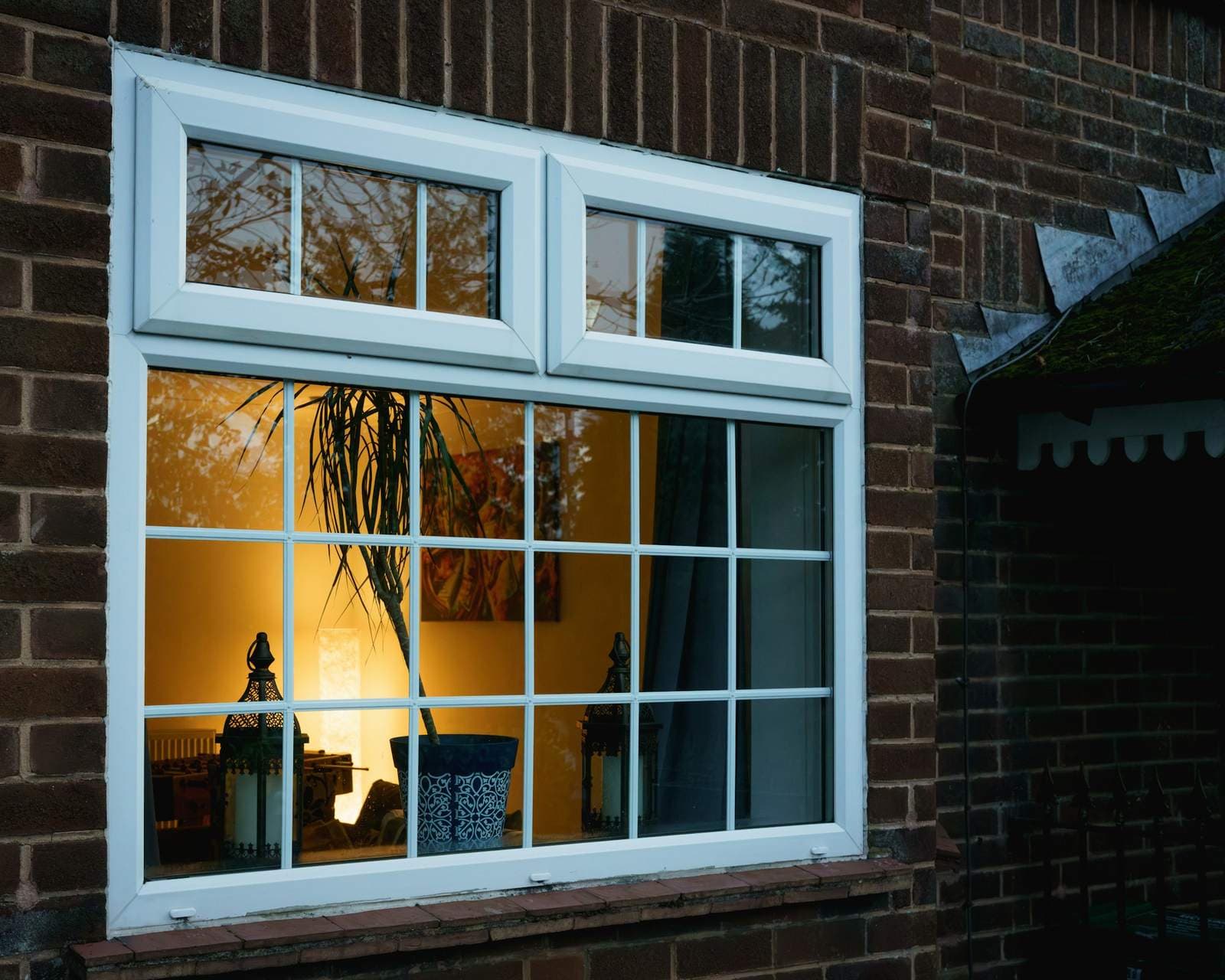
A fine layer of dust on the sill a day after cleaning, a whistle through the window in a storm, horns from the main road loud enough to interrupt a call: these are daily life for Gurugram flats facing Golf Course Extension Road, Sohna Road or the Noida Expressway. The window is shut, so where is it all coming from?
The answer is the gaps a sliding window is built with, and the seals meant to close them. Sliding shutters have to move, so they can never be pressed hard against the frame the way a hinged window is. Everything depends on brush seals and interlocks, and those wear.
The gaps that matter, and why they open
The interlock between the two shutters
This vertical meeting point is the longest gap in the window. If the interlock profile is shallow, or its brush pile has flattened, you can often see daylight through it. Wind pressure on a high floor pushes dust straight through.
Brush seals along the top and bottom
Wool-pile seals run along the edges of each shutter. Dust clogs them, heat hardens them and repeated sliding wears them down. Once flattened, they leave a millimetre or two of open gap along metres of frame.
The frame-to-wall joint
If the joint between the window frame and the masonry was packed loosely or the sealant has cracked, dust and sound come around the frame, not through it. This is common where windows were changed after the plaster was done.
The glass itself
Single 5mm glass does very little against low-frequency traffic noise. Even a perfectly sealed window with thin single glazing will let a lot of sound in. Double glazing (two panes with an air gap) or thicker laminated glass makes the bigger difference for noise.
A sash that no longer sits square
A sagging or twisted shutter leaves a wedge-shaped gap at one corner. You'll usually see it as a strip of light at the top of one end.
Quick checks with the window closed
- At night, switch the room light off and have someone shine a torch at the window from outside or the balcony. Every line of light is a gap.
- Hold a strip of tissue near the interlock on a windy day. If it flutters, air (and dust) is getting through.
- Look at the brush seals. If the pile is flat, matted or missing in sections, it's no longer sealing.
- Check the silicone around the frame on the inside for cracks or missing sections.
| What you notice | Probable gap | What fixes it |
|---|---|---|
| Dust line along the interlock | Worn interlock brush | Replace pile seals, add interlock seal |
| Whistle in a dust storm | Flattened brush along the shutter edge | New brush seals; check rollers |
| Dust at the frame edge on the wall side | Frame-to-wall gap | Repack and re-seal the joint |
| Window seals well but traffic still loud | Single thin glass | Double glazing or a sealed uPVC window |
| Light at one top corner | Shutter out of square | Re-set or replace the shutter |
When it's worth replacing the window
New brush seals and a re-sealed frame are worth doing first; they cost little and make a real difference to dust. But a sliding window will always leak more air than one that closes against a gasket. If you face a main road, a construction site or open land that blows dust every summer, a uPVC window in a casement or tilt-and-turn style, or a sliding uPVC window with multi-point locking, is the step up. For larger openings where you want slim frames, an upgraded aluminium sliding window with better interlocks and double glazing is the other route. We explain the trade-offs in uPVC vs aluminium windows in Gurgaon, and the uPVC window price guide covers what changes the cost.
A mosquito mesh shutter doesn't stop dust, but it lets you keep the glass shutters closed and still air the room at night, which helps when the outdoor air is clean.
How FabWise handles it
Send a photo of the window closed, a close-up of the interlock and seals, and tell us which floor and which way it faces. That tells us whether it's a seal change or a case for a new window. If we need to measure or inspect, the site visit is ₹99, adjusted against your bill if you go ahead. New windows are quoted after the visit, with no published rate.
Keep the seal working
Brush the pile seals clean when you clean the tracks, so dust doesn't mat them. Keep rollers in good order, because a dropped shutter opens gaps everywhere. Re-check the outer silicone before each monsoon. If the window also struggles to move, see sliding window hard to slide; if it also leaks, see window leaking rain water.
Browse the windows and doors catalogue, or see how window jobs work around the Golf Course Extension Road high-rises. Send a photo on WhatsApp and we'll tell you whether new seals will do.
Common questions
Why does dust come in even when windows are closed?
Sliding windows rely on brush seals and an interlock to close the gaps around the moving shutters. When those seals flatten or clog, or the frame-to-wall joint cracks, dust is pushed through by wind pressure, especially on higher floors and during NCR's pre-monsoon dust storms. Replacing seals usually helps a lot.
Which windows are best for dust and noise in Gurgaon?
Windows that close against a gasket, like uPVC casement or tilt-and-turn windows, seal far better than sliders. For noise, the glass matters most: double glazing or thicker laminated glass cuts traffic sound much more than single glass. A good uPVC slider with multi-point locking is a middle option.
Can I just replace the brush seals on my sliding window?
Yes. Brush or wool-pile seals are replaceable, and new ones sized to your profile often make a visible difference to dust. They won't make a thin, single-glazed slider soundproof. If the shutter is out of square or the interlock is shallow, new seals alone won't close the gap.
Khidki band hone par bhi traffic ki awaaz aati hai, kya solution hai?
Most noise comes through the glass and the gaps around a sliding shutter. New seals reduce dust but only a little of the noise. For a real difference, the usual answer is a sealed uPVC window or double-glazed glass. Send a photo on WhatsApp and we'll suggest what fits your opening.
Do I need RWA permission to change windows in my society?
Many Gurugram and Noida societies have rules on the outside look of the building, such as frame colour or style on the facade. Check with your RWA or facility manager before changing windows that face outward. Internal seal changes and repairs don't normally need permission.
Services on this page

Related problems
- Sliding window is jammed or needs two hands to move
- Rain water comes in at the window during the monsoon
- Balcony sliding door has jumped its track or drags
- Mosquito mesh is torn, sagging or has come out of its frame
- uPVC window handle won't turn, or turns but the window stays locked
- Aluminium window shutters rattle or bang in wind and traffic
Get it fixed
- Aluminium & uPVC Windows and Doors: every option
- Aluminium & uPVC Windows and Doors in Gurgaon
- Aluminium & uPVC Windows and Doors in Noida
- Aluminium & uPVC Windows and Doors in Delhi
- Aluminium & uPVC Windows and Doors in Faridabad
- Aluminium & uPVC Windows and Doors in Ghaziabad
- Aluminium & uPVC Windows and Doors in Greater Noida
- uPVC window price