

Windows & Doors
uPVC vs Aluminium Windows for Gurgaon & Noida Homes
uPVC seals better against dust and noise; aluminium gives slimmer frames and bigger glass. How each one suits a Gurugram or Noida home, and what to ask before ordering.
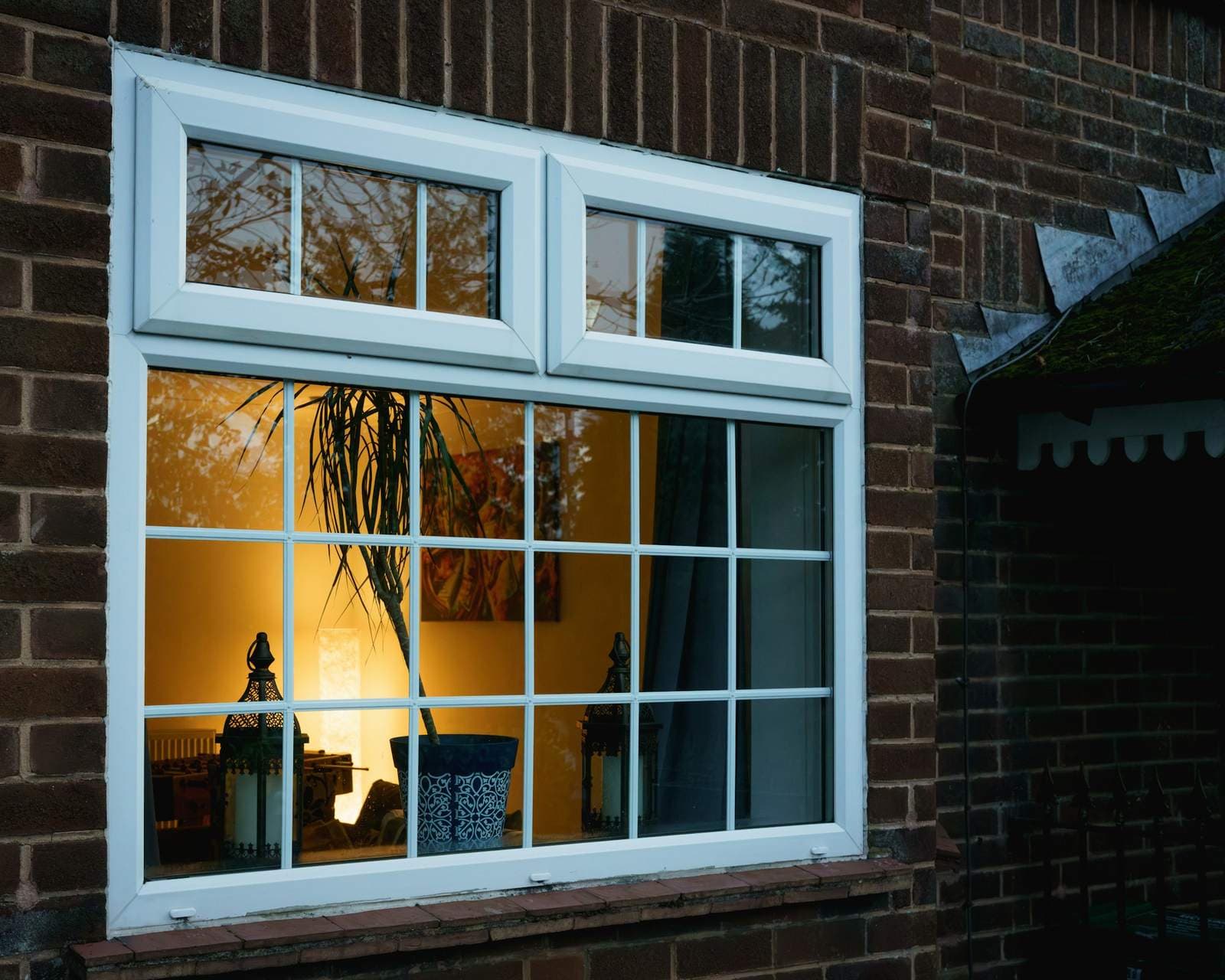
For a Gurgaon or Noida home that faces a busy road or gets a lot of dust, uPVC windows are usually the better choice: the frames insulate well and, in casement form, seal tightly against dust and traffic noise. Aluminium windows win when you want slim frames, large sliding panels or a dark colour, and they are the familiar, lower-effort option for bedrooms and kitchens away from the road. The glass you choose matters as much as the frame.
This guide compares the two for homes in Gurugram and Noida, and explains what really decides noise, dust and heat, so you can judge any quote on the same terms.
What are uPVC and aluminium windows made of?
uPVC (unplasticised polyvinyl chloride) windows are made from hollow, multi-chambered plastic profiles, usually with a galvanised steel reinforcement inside, and the corners are heat-welded. Rubber gaskets seal the sash against the frame. A uPVC window is most often white, though wood-grain and grey laminated finishes exist.
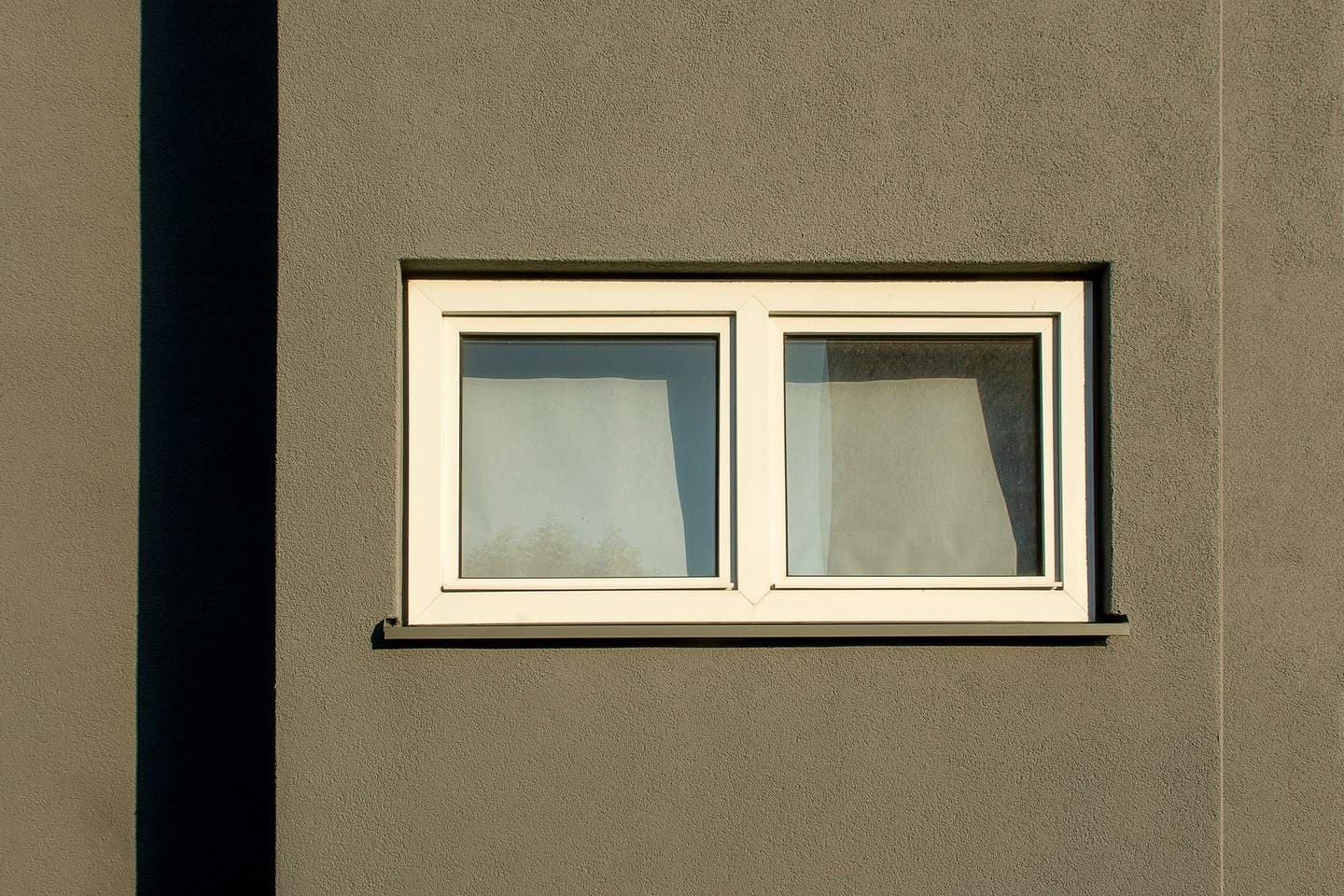
Aluminium windows use extruded aluminium sections, joined mechanically at the corners and finished in powder coat or anodising. Because aluminium is stiff, the frames can be slimmer for the same glass size. An aluminium sliding window is the standard window in a great many Indian apartments.
| Factor | uPVC windows | Aluminium windows |
|---|---|---|
| Dust sealing | Very good, especially casement with compression gaskets | Good to fair; sliding windows rely on brush seals |
| Noise | Better, with double glazing or laminated glass | Fair; improves with better glass and a casement design |
| Heat | Frame insulates well | Frame conducts heat unless it has a thermal break |
| Frame look | Chunkier frames, mostly white | Slim frames, many powder-coat colours |
| Large openings | Limited by profile stiffness | Handles big sliders and tall panels well |
| Upkeep | Wipe clean; no painting | Wipe clean; clean tracks; coating can chalk over many years |
Which keeps out Gurugram's dust better?
Dust is a constant in both cities, from construction along new sectors to dry summer winds. How a window opens decides most of its dust performance:
- Casement windows (hinged, opening outward or inward) press the sash onto a rubber gasket when closed. This is the tightest seal, and uPVC casements are where uPVC is at its best.
- Sliding windows need a small clearance to slide, closed with brush (wool-pile) seals. They are convenient and space-saving but always leak a little more air and fine dust.
- Interlock and track design matter on sliders. A deeper interlock and good brush seals reduce gaps; worn brushes are a common cause of the problem described in window gap letting in dust and noise.
If you want sliding windows and less dust, a well-made uPVC slider with good seals is usually tighter than a basic aluminium slider, but a casement in either material beats both.
Which is quieter on a busy road?
Homes along Dwarka Expressway, the Noida Expressway or the flight paths near Palam Vihar often want quieter rooms. Noise gets in through two routes: gaps around the sash, and the glass itself.
- Close the gaps first. A casement or a tightly sealing slider makes the biggest difference.
- Then upgrade the glass. Double glazing (two panes with an air or gas gap) helps with heat and some noise; laminated glass, with its plastic interlayer, is usually better at cutting traffic rumble. Some homes combine both.
- Treat the gap between frame and wall. Sealant and proper packing around the frame stop sound and rain coming in around the window rather than through it.
What about heat and the summer sun?
Gurugram summers are long, and west-facing rooms heat up fast. uPVC frames insulate better than plain aluminium, which conducts heat. Aluminium systems with a thermal break exist, but they are a premium option. In practice the glass covers far more area than the frame, so a reflective, tinted or double-glazed unit often matters more than the frame material.
Which lasts longer and needs less care?
uPVC
Good uPVC is UV-stabilised for strong sun and does not need painting. Cheaper profiles without proper stabilisers can yellow or turn brittle over years of exposure, so ask whose profile is being used. Keep drainage slots clear and clean the gaskets.
Aluminium
Aluminium does not rust. Powder coat can fade or chalk slowly in harsh sun. On sliders, keep the bottom track clear of dust and grit: a track full of dust is the usual reason for a sliding window that is hard to slide. Check rollers if it starts to drag.
In both, a window that lets rain in is usually blocked drainage holes or failed sealant around the frame, not the material. Our page on a window leaking rain water goes through the checks.
How do I choose room by room?
| Room or situation | Usual best fit | Why |
|---|---|---|
| Bedroom facing a main road | uPVC casement with laminated or double glass | Tightest seal and best noise reduction |
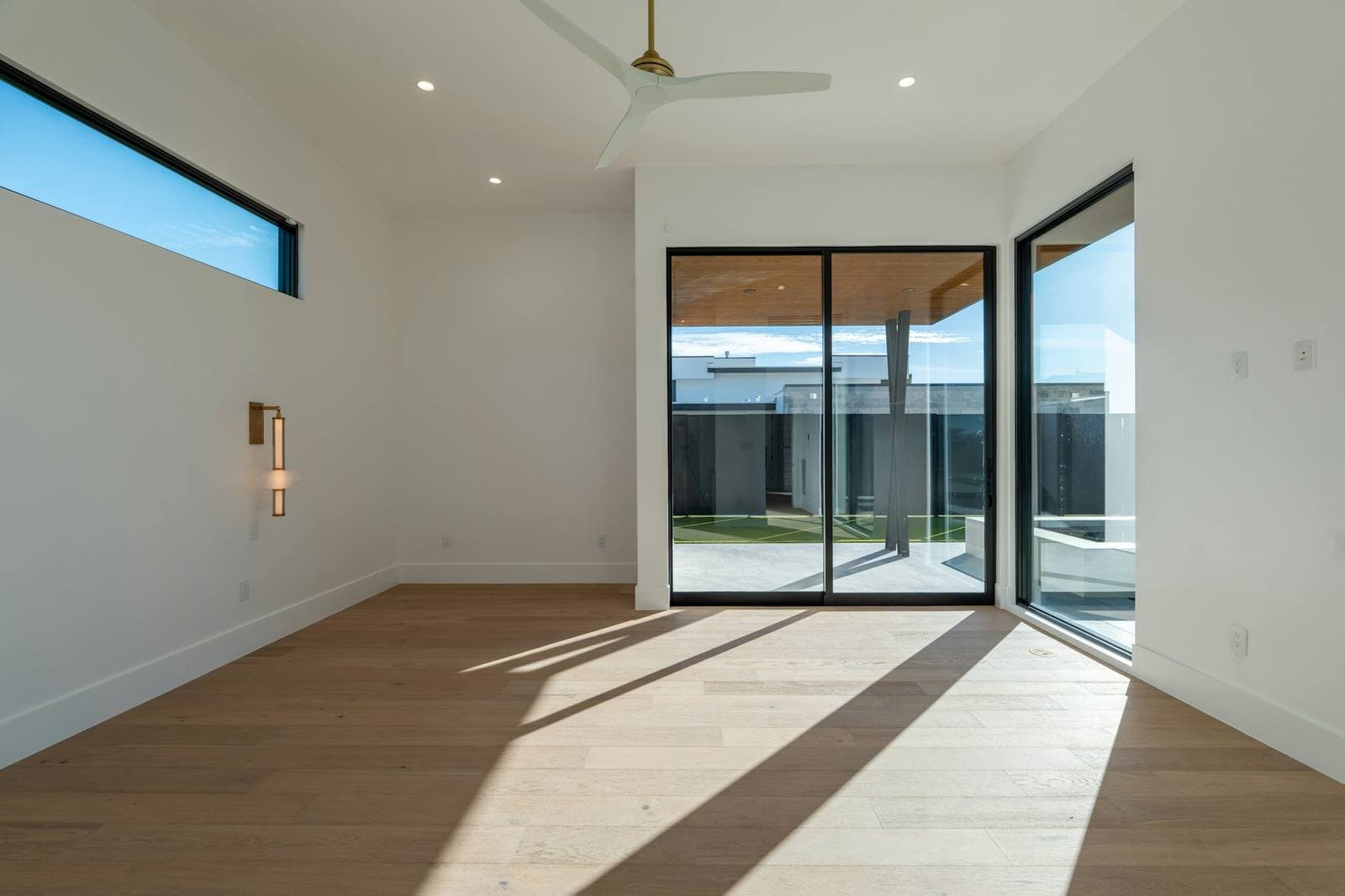
| Living room to balcony | Aluminium or uPVC sliding door | Large panels, easy access |
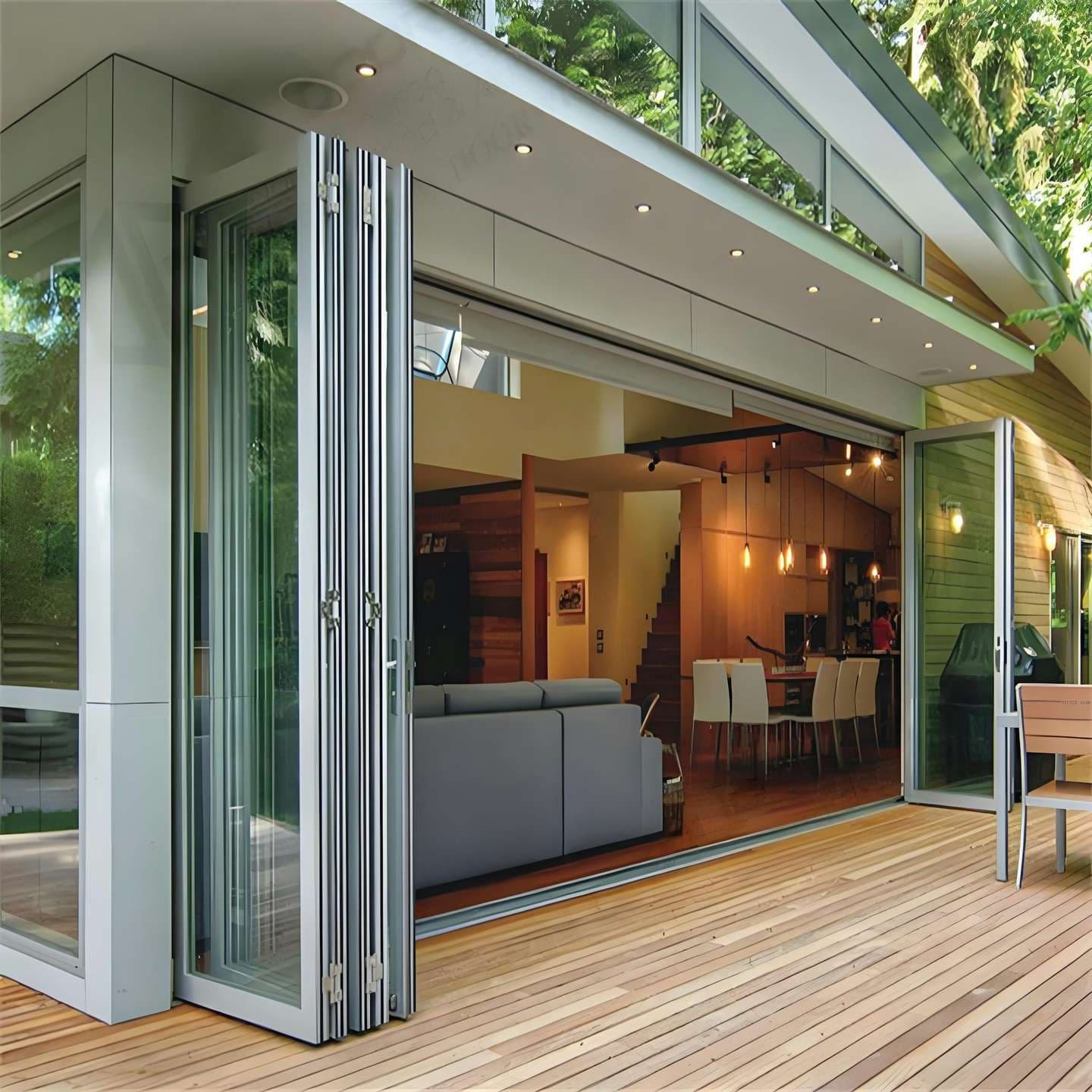
| Wide garden or terrace opening | Slide-and-fold door | Opens almost the full wall |
| Kitchen | Aluminium slider or uPVC casement | Easy cleaning; casement seals better against dust |
| Bathroom ventilator | Aluminium or uPVC with frosted glass | Small opening, privacy |
| Any window in mosquito season | Add mosquito mesh | Sliding, pleated or fixed mesh fits either |
What should a window quote spell out?
Two window quotes can differ a lot and still look similar on paper. Before comparing, make sure each one names the same things:
- The profile or section brand and series, and for uPVC whether the frame has steel reinforcement inside.
- The opening type for each window: sliding, casement, fixed or tilt-and-turn.
- The glass: thickness, single or double glazed, and whether any pane is toughened or laminated.
- Hardware: rollers, handles, locks and hinges, and whether they are branded.
- Mesh, if included, and on which windows.
- Removal of the old frames, sealing around the new frame and the finishing work afterwards.
A quote that leaves out removal, sealing or the glass specification is not cheaper; it is incomplete.
What changes the price of uPVC or aluminium windows?
Both are priced per sq ft of window, and the per-sq-ft figure changes with the profile range, the opening type, hardware and glass. Casements and double-glazed units cost more than basic sliders with single glass. We don't publish a rate for this work yet, so every window is quoted after a site visit; the uPVC window price guide explains how the parts add up. You can also browse all windows and doors, or read how window jobs work in Gurgaon and Noida.
FabWise measures every opening at a ₹99 site visit, adjusted against your bill if you go ahead, and then sends a written, all-inclusive quote for the windows you choose.
Common questions
Which is better for dust, uPVC or aluminium windows?
uPVC usually seals better, especially as a casement window, where the sash presses onto a rubber gasket. Any sliding window, uPVC or aluminium, uses brush seals and lets in a little more fine dust. If dust is your main concern in Gurugram or Noida, ask for casement windows where the room allows them.
Are uPVC windows soundproof?
No window is fully soundproof. A uPVC casement with laminated or double-glazed glass can make a room near a busy road much quieter, because it closes the gaps and the glass blocks more sound. A sliding window with single glass will reduce noise far less, whatever the frame material.
Do uPVC windows turn yellow in Indian sun?
Good uPVC profiles are UV-stabilised for strong sun and keep their colour for many years. Cheap profiles without proper stabilisers can yellow or become brittle. Ask which profile the windows use, and avoid unbranded material for west- and south-facing windows that take the afternoon sun.
Can I replace only the windows without breaking the wall?
Usually yes. Most replacements remove the old frame and fit the new one into the same opening, then seal and finish the edges. Some plaster touch-up around the frame is common. The site visit checks the opening, the wall condition and whether the old frame can come out cleanly.
Aluminium window ya uPVC, kaunsa sasta padta hai?
It depends on the size, the opening type and the glass rather than the material alone. A basic aluminium slider with single glass is usually the most economical; uPVC casements with double glazing cost more. We don't publish a rate yet, so you get a measured written quote after the site visit.
Can I get mosquito mesh with uPVC or aluminium windows?
Yes. Both can take a sliding mesh shutter on an extra track, a pleated mesh, or a fixed mesh frame. If you are ordering new sliders, ask for a three-track frame so the mesh has its own track. Existing windows can usually take a fitted mesh too.
What this page is about

Read next
- Soundproof Windows in Delhi NCR: What Actually Cuts the NoiseMost traffic noise gets in through gaps, not through glass. How airtight frames, double glazing and laminated glass work together to quieten a flat near a highway, a metro line or a flight path.
- Mosquito Mesh Types Compared: Pleated, Sliding, Fixed or Roller?Pleated, sliding, hinged, fixed or roller: which mosquito mesh suits a window, a balcony door or a kitchen, which mesh fabric lasts, and the mistakes that let mosquitoes in anyway.
- Sliding vs Casement Windows: Which Is Right for Your Room?A sliding window saves space and suits wide openings; a casement opens fully and seals tighter against dust, rain and noise. How they differ, and which to choose room by room.