

Windows & Doors
Soundproof Windows in Delhi NCR: What Actually Cuts the Noise
Most traffic noise gets in through gaps, not through glass. How airtight frames, double glazing and laminated glass work together to quieten a flat near a highway, a metro line or a flight path.
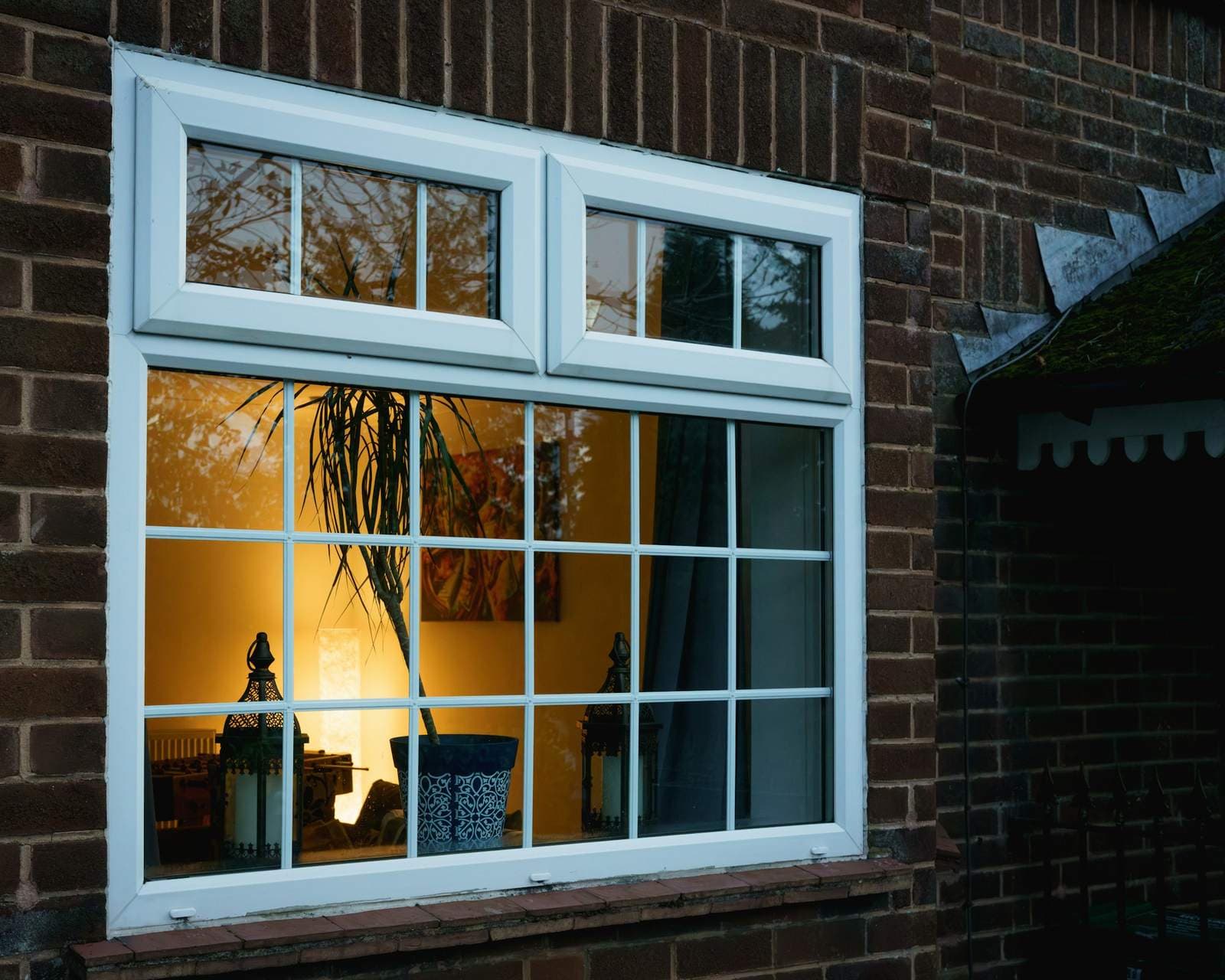
A window cuts outside noise when three things come together: an airtight frame that closes onto rubber gaskets, double-glazed or laminated glass in place of a single thin pane, and careful sealing between the frame and the wall. In Delhi NCR that usually means a uPVC or well-made aluminium casement window with a double-glazed unit, and on the loudest side of the flat, laminated glass in that unit. No window makes a home silent, but the right one turns a roar into a murmur.
Noise is a daily fact for many homes here: flats facing NH-48 or the Dwarka Expressway, towers along the Noida Expressway, homes beside the metro or under the flight path in Palam Vihar, and any building next to a construction site that runs into the night. Here is what actually helps.
How does noise get through a window?
Sound travels through air, so it slips through any gap first. A single 5mm pane in a loose sliding frame has gaps at the interlock, at the bottom track and around the sash, and those gaps let in far more noise than the glass does. That's why a cheap window with thick glass can still be noisy, and why the first job in any soundproofing plan is to close the gaps.
Once the gaps are closed, the glass matters. Heavier glass resists sound better; two panes with an air gap between them resist it better still; and a laminated pane, with a plastic layer bonded between two sheets, damps the vibration that carries low traffic rumble.
Which frame type keeps noise out best?
| Frame and opening | How it seals | Noise performance | Notes |
|---|---|---|---|
| uPVC casement | Sash presses onto gaskets all round | Best of the common options | Multi-chamber profile also helps with heat |
| Aluminium casement (good system) | Gaskets all round, compression latch | Very good | Slimmer frame; choose a system with proper gaskets |
| uPVC sliding | Brush seals and interlocks | Good | Better than old aluminium sliders, below casements |
| Aluminium sliding (basic section) | Brush or wool-pile seals | Fair | Gaps at the interlock and track let sound through |
| Old window plus a secondary inner window | Air gap between two windows | Very good | Useful where the outer window can't be changed |
The pattern is clear: windows that press shut seal better than windows that slide past each other. Casement and tilt-and-turn windows close onto continuous EPDM gaskets, while a sliding sash has to leave a running clearance. If you love sliders for the view, a well-made uPVC window in a sliding pattern with good brush seals is still a big step up from an old aluminium slider. Our sliding vs casement windows guide goes deeper on that choice, and uPVC vs aluminium windows compares the frame materials.
Double glazing, laminated glass or both?
A double-glazed unit (DGU) is two panes sealed together with a spacer and a dry air or gas gap. It cuts mid- and high-pitched noise, such as horns, voices and the hiss of tyres, and keeps out heat as a bonus. Laminated glass is better at the low, droning rumble of heavy trucks, buses and aircraft, because the interlayer stops the glass ringing.
- A home on an ordinary city road: a DGU in an airtight frame is usually enough.
- A flat facing an expressway or highway: a DGU where one pane is laminated, on the road-facing side only.
- Under a flight path or next to a rail line: laminated in the DGU, plus the tightest frame you can get, plus attention to the gap between frame and wall.
- Two panes of different thickness in the DGU (say a thicker outer pane and a thinner inner one) usually perform better than two equal panes, because each one blocks a different pitch.
If heat is part of the problem too, low-E glass in the DGU cuts the sun's heat without darkening the room much; the glass thickness guide explains how pane thickness is chosen.
Where else does noise sneak in?
- The gap around the frame: the joint between the frame and the brickwork must be packed and sealed. Foam alone isn't enough on a noisy road; it needs a proper sealant over it.
- Weep holes in the bottom of the frame let water out and some sound in. Good systems use baffled weep holes that limit this.
- AC sleeves and exhaust fans in the same wall are often louder than the new window.
- Trickle vents and old grills in the glass, left from a previous fit-out.
- The balcony door, which is often the weakest point of the whole room.
For a balcony, an airtight aluminium sliding door with good seals, or a slide and fold door that closes onto gaskets, makes a real difference.
Can you soundproof without replacing the windows?
Sometimes, partly. If your frames are sound and the problem is a rattle or a whistle, new seals and a properly adjusted sash can help: see window gap letting in dust and noise and window whistling in the wind. In rented flats or societies that won't allow changes to the outside, a secondary window fitted on the inside of the existing one is a well-known option, because the air gap between the two windows does a lot of the work. Heavy, lined curtains help a little with echo inside the room but don't stop outside noise much. Foam strips stuck around a sash are a short-term patch at best; they compress, peel in summer heat and leave gaps again within a season.
Won't an airtight window make the room stuffy?
It can, and it's a fair worry. A window that seals out noise also seals out fresh air, so a closed bedroom in a Gurugram high-rise can feel close by morning. There are three common answers. A tilt-and-turn sash can sit tilted in at the top, which lets air in with far less noise than a fully open window. A separate small ventilator, ideally on the quieter side of the flat, keeps air moving while the main window stays shut. And in most NCR homes the AC runs through the hot months anyway, so the window stays closed for long stretches regardless. Plan the air before you plan the silence, and ask about ventilation options at the visit.
Which rooms to do first?
- The bedroom on the road side. Sleep is where noise hurts most.
- The living room balcony door, usually the biggest opening in the home.
- A study or work-from-home room, where calls pick up horns and construction.
- The rest of the road side, then the quieter sides last, often with plain double glazing.
What should a soundproof window quote spell out?
Ask for the profile system and its chamber count or section series, the gasket type, the glass make-up written as outer pane, gap and inner pane (for example 6mm laminated, air gap, 5mm), the hardware, and how the frame-to-wall joint will be sealed. A quote that just says "soundproof window" or "DGU" without those details is impossible to compare. Our guide to comparing fabrication quotes has a fuller checklist, and the uPVC window price guide explains what moves the cost.
Old double glazing can fail too. If you see mist between the panes, the seal has gone and the noise performance drops with it; see double-glazed window fogged.
We fit windows and doors across Delhi NCR, from high-rises in Gurgaon and Noida to homes in Delhi and Greater Noida. Book a site visit; tell the team which side is loudest and when, and they will measure and suggest the frame and glass for each room.
Common questions
Do soundproof windows really work in Delhi?
They work well when the frame is airtight and the glass is chosen for the noise you have. A good casement window with double glazing turns heavy traffic into a low background sound. They won't make a room silent, and the gap around the frame, AC sleeves and balcony doors must be sealed too, or noise finds another way in.
Is uPVC or aluminium better for noise reduction?
Both can perform well if the system seals properly. uPVC casements are usually the best of the common options because the sash presses onto gaskets all round and the multi-chamber frame damps sound. A well-made aluminium casement with good gaskets comes close. Basic aluminium sliding windows are the weakest at keeping noise out.
Double glazing ya laminated glass, noise ke liye kya better hai?
Double glazing is better against horns, voices and general traffic hiss, while laminated glass is better against low rumble from trucks, buses and aircraft. For a flat on an expressway or under a flight path, the best choice is a double-glazed unit with one laminated pane, fitted in an airtight frame.
Can I make my existing sliding windows quieter?
Partly. Replacing worn brush seals, adjusting the sash so it sits tight, and sealing the gap between the frame and the wall can help a lot. Adding a secondary window on the inside is the bigger step. If the frame itself is loose or warped, replacing it is usually the only lasting fix.
Will soundproof windows also keep out dust and heat?
Yes, mostly. The same airtight seals that block noise also block fine dust, and a double-glazed unit cuts heat coming through the glass. Adding low-E glass reduces summer heat further. Window seals still need cleaning and checking every year or two to keep performing.
What this page is about
Read next
- uPVC vs Aluminium Windows for Gurgaon & Noida HomesuPVC seals better against dust and noise; aluminium gives slimmer frames and bigger glass. How each one suits a Gurugram or Noida home, and what to ask before ordering.
- Mosquito Mesh Types Compared: Pleated, Sliding, Fixed or Roller?Pleated, sliding, hinged, fixed or roller: which mosquito mesh suits a window, a balcony door or a kitchen, which mesh fabric lasts, and the mistakes that let mosquitoes in anyway.
- Sliding vs Casement Windows: Which Is Right for Your Room?A sliding window saves space and suits wide openings; a casement opens fully and seals tighter against dust, rain and noise. How they differ, and which to choose room by room.