

Windows & Doors
Sliding vs Casement Windows: Which Is Right for Your Room?
A sliding window saves space and suits wide openings; a casement opens fully and seals tighter against dust, rain and noise. How they differ, and which to choose room by room.
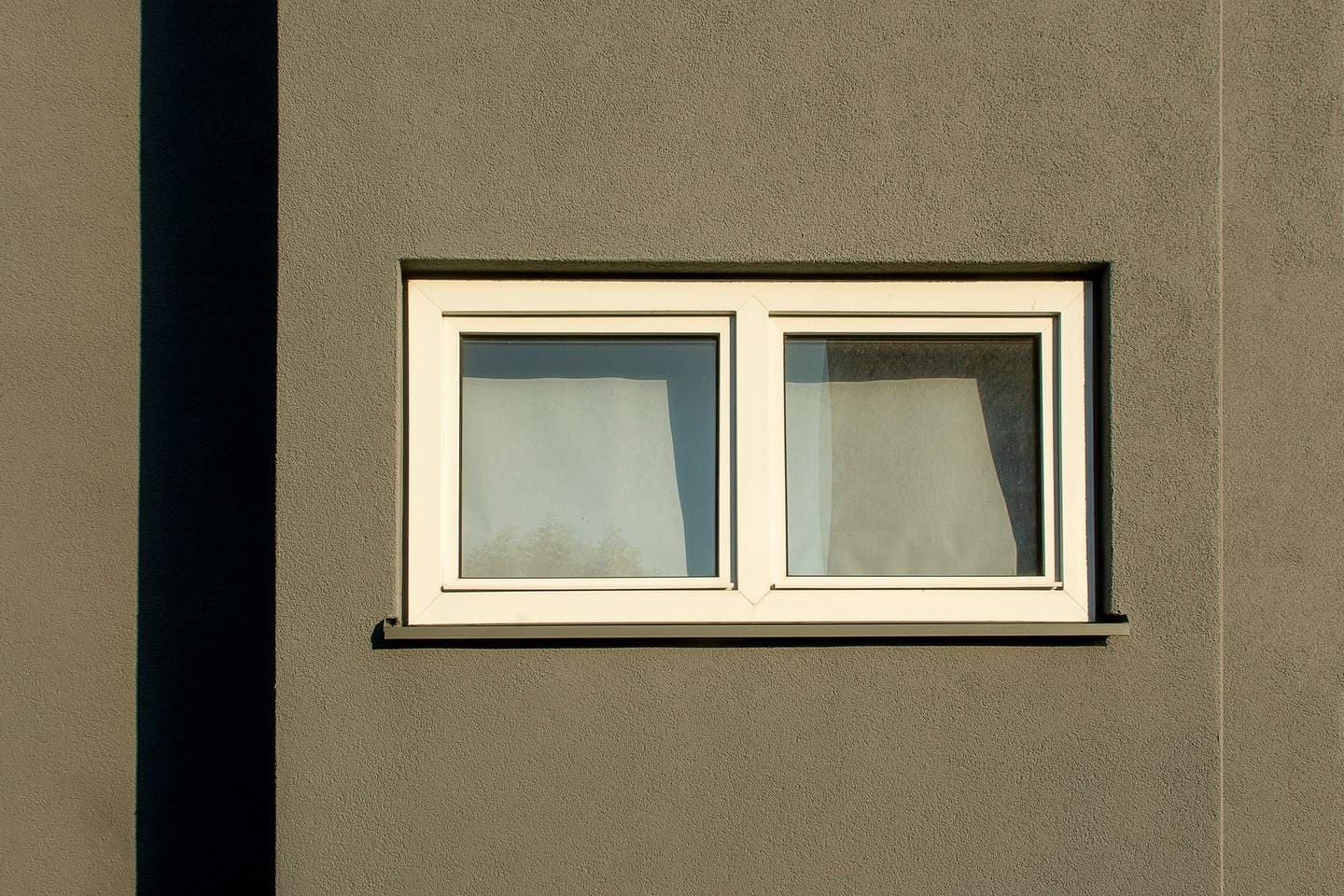
Choose a sliding window when you want wide glass, nothing swinging into a balcony or walkway, and simple operation; choose a casement window when you want the whole opening to let air in and the tightest seal against dust, rain and noise. In Delhi NCR flats, many homes end up with both: sliders for the big living-room and balcony openings, casements for bedrooms on the road side, kitchens and bathrooms. The frame material, uPVC or aluminium, is a separate choice.
Here is how the two work, where each one is better in Gurugram, Noida and Delhi homes, and the questions to settle before you order.
How does each window actually open?
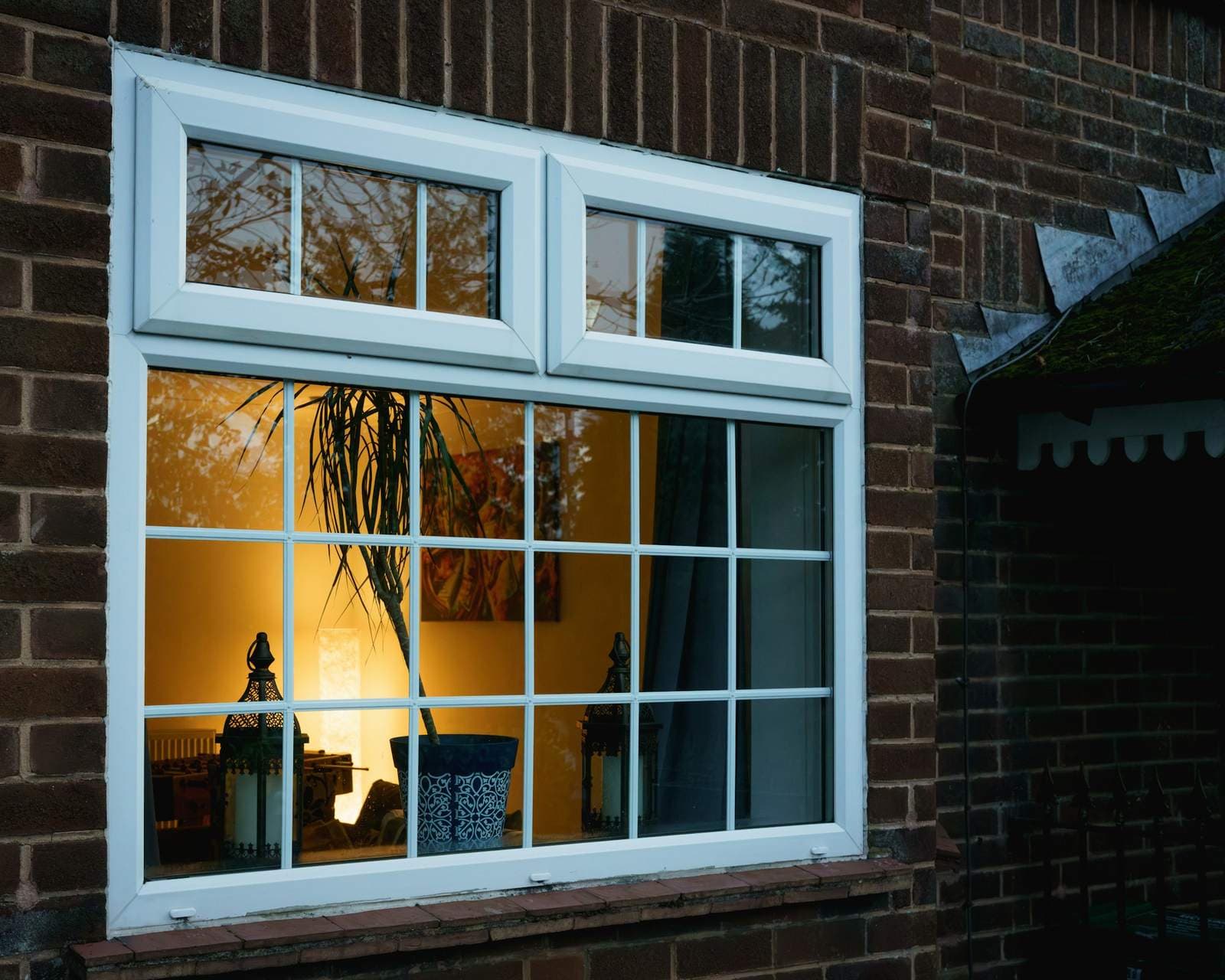
A sliding window has two or more sashes that run past each other on tracks in the frame. You slide one across the other, so at most half the window (two-track) or two-thirds (three-track, with one mesh) is open at a time. A casement window has a sash hinged at the side, like a small door, that swings outward (or sometimes inward) and closes by pressing against gaskets all round. A tilt-and-turn window, common in uPVC, is a casement that can also tilt in at the top for ventilation.
| Point | Sliding window | Casement window |
|---|---|---|
| Opening area | Half to two-thirds of the window | The full sash |
| Airflow | Good, but only through the open half | Better; an open sash also catches side breezes |
| Seal against dust and rain | Brush seals and interlock; some gap is unavoidable | Compression gaskets; seals tighter |
| Noise | Fair to good | Good to very good |
| Space needed | None outside or inside | Room for the sash to swing outside (or inside) |
| Wide openings | Easy; large panels look clean | Needs several sashes or a fixed pane with an opener |
| Cleaning on high floors | Outer face hard to reach unless sashes lift out | Outer face reachable when it opens fully |
| Mosquito mesh | Sliding mesh in a third track | Hinged or roller mesh on the inside |
| Typical wear item | Rollers and track | Hinges, friction stays, handle |
Which one lets in more air?
A casement does, for two reasons. All of the sash opens, not half; and an outward-opening sash acts like a scoop, catching a breeze that blows along the wall and turning it into the room. In a north-facing bedroom that gets the evening breeze, that's a real difference. A sliding window still ventilates well if it's wide, and a three-track slider with a mesh means you can keep half open on mosquito nights.
Which one keeps out dust, rain and noise better?
The casement wins clearly. Because the sash closes onto continuous EPDM gaskets, it can be close to airtight. A slider has to leave clearance for the sash to move, sealed by brush strips that wear over time. In a dust storm or a monsoon squall on a high floor, that's where fine dust and driven rain get in. If you live near a busy road, our soundproof windows guide explains why casements are the first choice for noise.
Sliders aren't leaky by nature, though. A good slider with drainage slots, intact weep holes and fresh brush seals keeps normal rain out. If yours doesn't, see window leaking rain water and window gap letting in dust and noise.
Which is safer and easier on high floors?
On the 15th floor of a Noida or Gurugram tower, an outward-opening casement sash catches the wind, so it needs good friction stays or restrictors, and it's best kept to modest sizes. Children and an open casement also need thought; a restrictor that limits the opening is worth asking for. Sliders have no sash swinging out, which is one reason high-rise builders often fit them. For cleaning the outside, though, a casement is easier: open it fully and you can reach the outer glass from inside.
What about grills and security?
A casement opening outward can't have a grill directly outside it, unless the grill stands off the wall far enough for the sash to swing, which looks bulky. Sliders work neatly behind or in front of an MS window grill. On ground floors and in independent houses where a grill is essential, that often decides it. See window grill designs that balance safety and looks.
Which one should each room have?
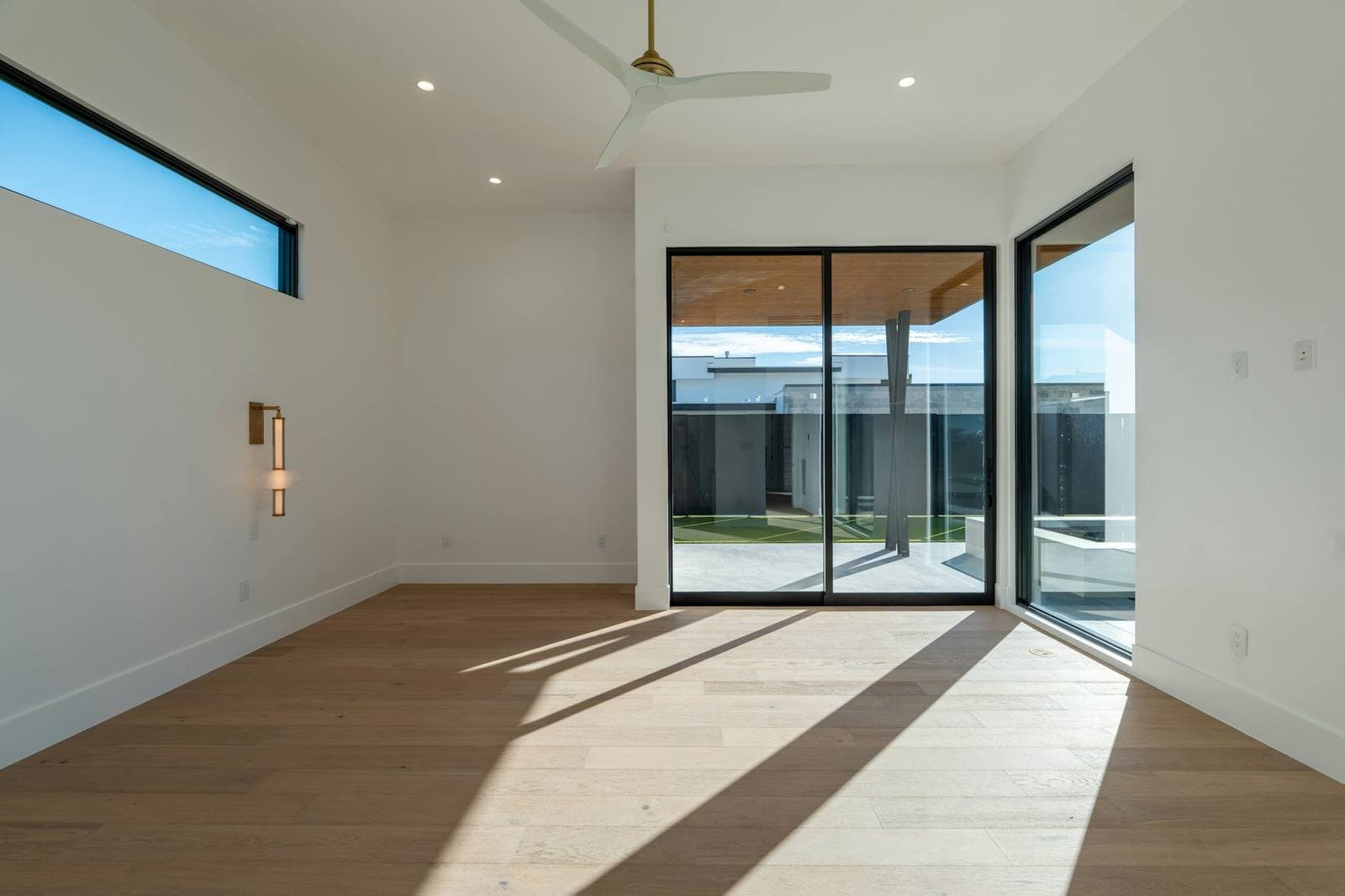
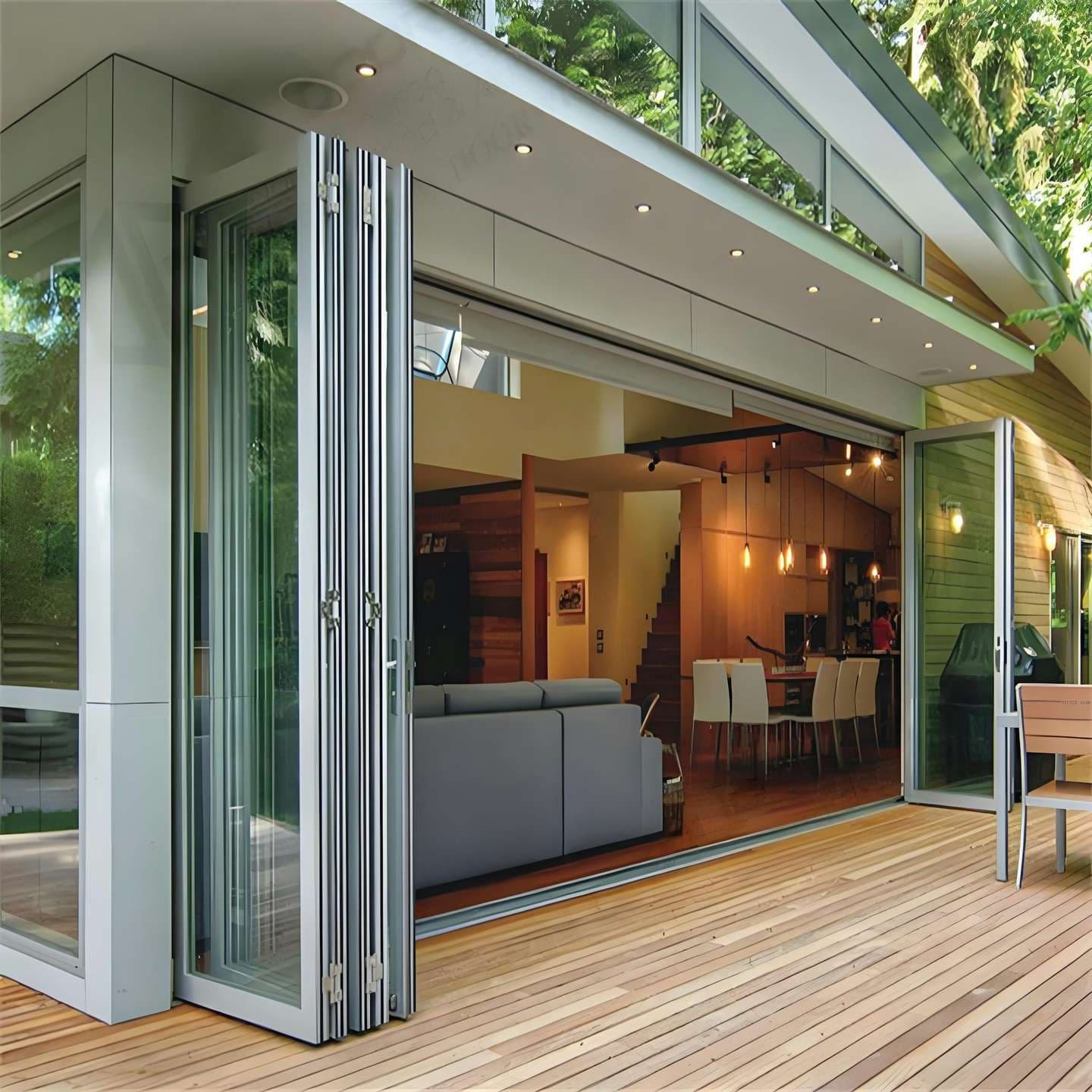
- Living room and balcony: wide sliders, or a slide and fold door to open the whole wall.
- Bedroom on a noisy road: casement or tilt-and-turn, with double glazing.
- Bedroom on a quiet side: either; sliders if a grill is needed.
- Kitchen: casement, often a top-hung or side-hung sash over the counter, so you don't lean across the hob to slide a heavy panel.
- Bathroom: a small top-hung casement or louvred ventilator, frosted.
- Utility balcony: sliders, so nothing swings into the drying area.
Is tilt-and-turn the best of both?
For many rooms, it comes close. A tilt-and-turn window turns inward like a casement for full opening and cleaning, and tilts in at the top for safe, secure ventilation, even when you're out or asleep. It seals onto gaskets like any casement, so it's good against dust and noise, and because it opens inward, a grill can go outside. The catches: an inward-opening sash needs clear space in the room (no curtains, sofa or bed right against it), the hardware is more involved, and it's mostly found in uPVC systems. It's a strong choice for a road-facing bedroom or a study.
What does each mean for daily use?
Small things decide whether you love a window after a year. A big sliding sash in heavy glass needs a firm push if the rollers aren't good, which is tiring for an older family member. A casement needs a handle within easy reach and a sash that doesn't slam in a gust, so friction stays and a stay arm matter. Sliders let you open the window an inch for air; casements usually have a few set positions. Curtains and blinds work with both, but an inward-opening sash needs the blind fixed to the sash or set well back. Think about who will open the window most and how often, and mention it at the site visit so the hardware and sash sizes suit them.
What goes wrong with each over time?
Sliding windows
Rollers wear and tracks fill with dust, so the sash gets stiff; see sliding window hard to slide. Locks loosen with daily use; see sliding window lock broken. Basic aluminium sections can rattle in wind; see aluminium window rattling.
Casement windows
Hinges and friction stays drop or stiffen, so the sash doesn't meet the frame squarely; see casement window not closing. Handles and multi-point locks can jam; see uPVC window handle stuck. Gaskets harden after many summers and need replacing.
Does the frame material change the answer?
Both opening types come in both materials. uPVC profiles seal and insulate well and suit casements particularly; aluminium sections are slimmer and stronger, which suits large sliders. Our uPVC vs aluminium windows guide covers that choice in full, and the uPVC window price guide explains how opening type affects cost: casements usually need more hardware per square foot than sliders.
We fit aluminium sliding windows and uPVC windows in both styles across Delhi NCR, from towers in Gurgaon and Noida to homes in Delhi and Ghaziabad. Book a site visit; the team will look at each room, the floor height and the grill situation, and suggest the right window for each opening.
Common questions
Are sliding windows or casement windows better for Delhi NCR?
Neither is better everywhere. Casement windows seal tighter against dust, rain and traffic noise and let in more air, so they suit road-facing bedrooms and kitchens. Sliding windows suit wide living-room and balcony openings and rooms that need a grill outside. Many homes here use both, chosen room by room.
Do casement windows let in more air than sliding windows?
Yes. A casement opens its whole sash, while a slider opens only half or two-thirds of the window. An outward-opening casement also catches breezes moving along the wall and turns them into the room, which makes a noticeable difference in summer evenings.
Sliding window mein dhool kyu aati hai?
A sliding sash needs a small clearance to move, sealed by brush strips that wear and flatten over time. Fine dust gets in through those gaps, the interlock between sashes and the track. Replacing brush seals and cleaning the track helps; for very dusty or high-floor flats, a casement or a better-sealed slider is the lasting fix.
Can I fit a grill outside a casement window?
Only if the grill stands far enough off the wall for the sash to swing open, which tends to look bulky. Most homes that need a grill choose sliding windows, or fit inward-opening casements or tilt-and-turn windows with the grill outside. The site visit will show which works on your wall.
Which window is easier to clean on a high floor?
A casement is usually easier, because when it opens fully you can reach the outer glass from inside. A slider's outer face is hard to reach unless the sashes lift out of the frame, which some systems allow. Ask about this at the visit if your flat is on a high floor.
What this page is about

Read next
- uPVC vs Aluminium Windows for Gurgaon & Noida HomesuPVC seals better against dust and noise; aluminium gives slimmer frames and bigger glass. How each one suits a Gurugram or Noida home, and what to ask before ordering.
- Soundproof Windows in Delhi NCR: What Actually Cuts the NoiseMost traffic noise gets in through gaps, not through glass. How airtight frames, double glazing and laminated glass work together to quieten a flat near a highway, a metro line or a flight path.
- Mosquito Mesh Types Compared: Pleated, Sliding, Fixed or Roller?Pleated, sliding, hinged, fixed or roller: which mosquito mesh suits a window, a balcony door or a kitchen, which mesh fabric lasts, and the mistakes that let mosquitoes in anyway.