

Glossary · Windows & doors · Gurgaon & Noida
Weep holes: why your window frame has small slots
Weep holes are small slots, usually on the outside face of a window's bottom frame, that drain rainwater collected in the track or frame chambers back outside. Every sliding window lets some water into its track; the weep holes get it out. If they are blocked or sealed shut, water overflows the track and leaks indoors.
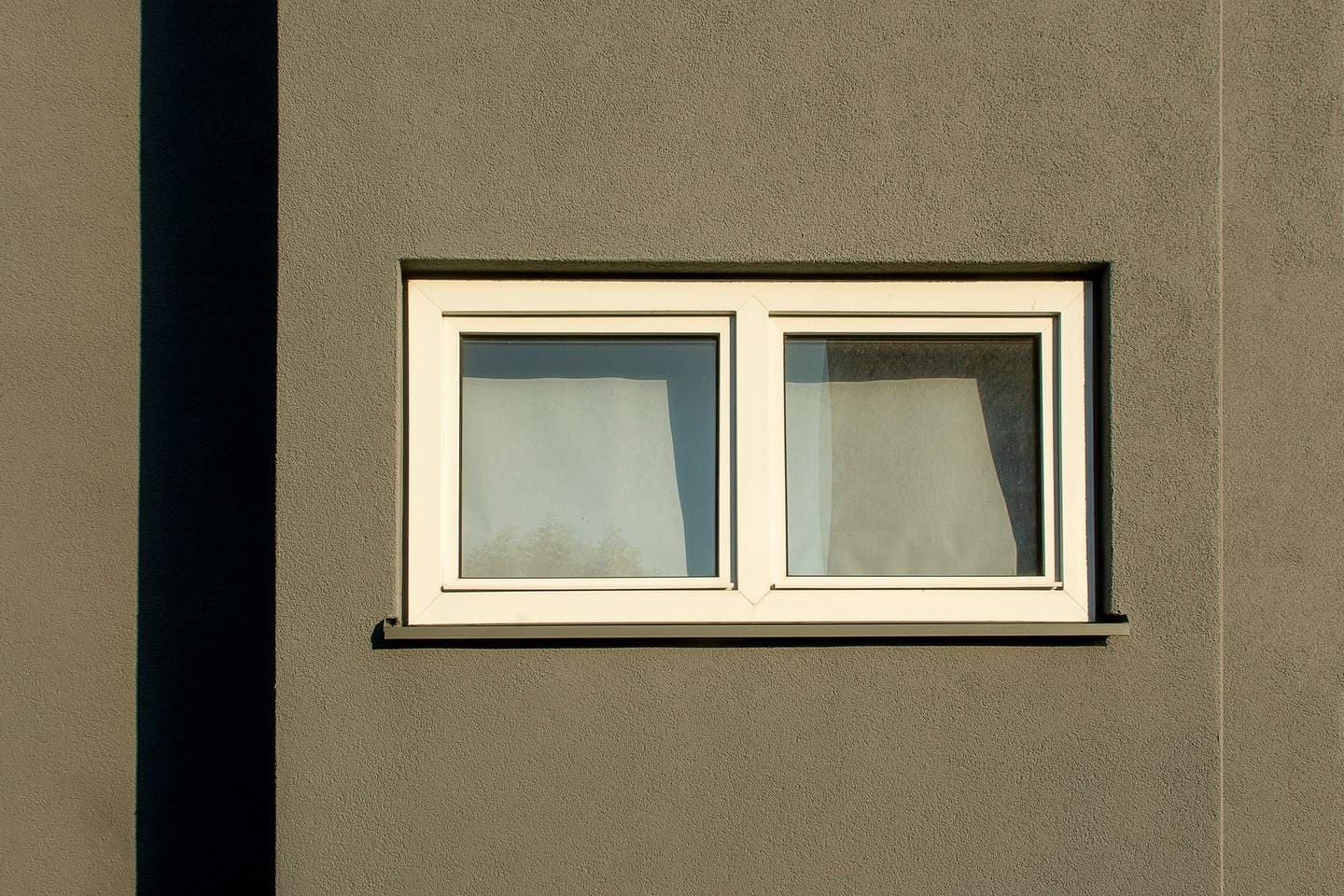
Every monsoon, a common complaint in Gurugram and Noida flats is water pouring onto the inside sill of a sliding window during a heavy downpour. Very often the window is fine, but its weep holes are blocked with dust, paint or a well-meant bead of silicone. Understanding these small slots saves a lot of unnecessary resealing.
What do weep holes do?
No sliding window is completely watertight at the track: rain driven against the glass runs down into the bottom track, and some gets past the brush seals into the frame. Good window design accepts this and manages it. Water collects in the track or a drainage chamber, then flows out through weep holes on the outer face of the bottom frame. In uPVC profiles, a dedicated drainage chamber leads to slots in the outer frame, often with small hooded covers. In aluminium sections, slots are routed through the track's outer wall.
Where are weep holes found?
| Location | What drains | Look for |
|---|---|---|
| Sliding window bottom track | Rain that runs down the glass into the track | Slots on the outside face, sometimes with flaps |
| uPVC casement frame | Water that passes the outer gasket | Slots under the sash, with hooded caps outside |
| Sliding door track | Rain and floor-washing water | Slots or drainage outlets on the outer side |
| Glass railing U-channel | Water collected in the base | Gaps or drilled outlets in the channel |
| Masonry and retaining walls | Water behind the wall | Pipes or open joints near the bottom |
| Facade and curtain wall frames | Condensation and water past outer seals | Concealed slots at transoms and sills |
Why do windows leak when weep holes block?
- Dust and grit: Delhi NCR dust settles in tracks and turns to mud in the first rains, plugging the slots.
- Paint and plaster: wall painting and touch-ups often seal slots on the outer frame.
- Silicone: sealing the outside of a frame bottom, intending to stop leaks, closes the drain path.
- Insects: small insects and wasps nest in unprotected slots.
- Missing weep holes: cheap fabrication sometimes leaves them out, or puts them where they cannot drain.
Once the drain path is blocked, the track fills and water spills over the inner lip onto the sill. Our window leaking rain water and balcony door leaking pages walk through the other causes too.
How do you check and clean weep holes?
- Locate the slots on the outside of the bottom frame; open the sash to see the matching openings in the track.
- Vacuum the track and remove loose grit.
- Clear each slot gently with a thin plastic tool or pipe cleaner; avoid sharp metal that scratches the finish.
- Pour a cup of water into the track and watch it drain outside within a minute or so.
- Before monsoon, repeat the check, especially on high floors facing the wind.
Common confusions
Weep holes are not a sign of a defect; a window without them is the worry. They are also not the same as the gap between a frame and the wall, which should be sealed. And they do not handle water coming through a failed EPDM gasket at the glass in large amounts; they handle the normal, expected water. Drafts and dust at the frame are more often seal problems, covered at window gap letting in dust and noise.
What good fabrication looks like
- Weep slots on the outer face, at least two per track for normal widths, more for wide windows.
- Hooded or flap covers that let water out but limit wind and insects coming in.
- A sill sloped outwards, so drained water does not run back toward the wall.
- Frame-to-wall sealant on the sides and top, but not across the weep slots.
Where FabWise uses it
Drainage is part of how windows and doors in our windows and doors range are measured, fixed and sealed, including the aluminium sliding window, uPVC window and aluminium sliding door. Specifications are agreed after the site visit. For more on choosing window types, read sliding vs casement windows.
Common questions
Should I seal the holes at the bottom of my window frame?
No. Those are almost certainly weep holes, designed to drain water from the track back outside. Sealing them traps water in the track, which then overflows onto your inside sill during heavy rain. Clean them instead. Seal only the joint between the frame and the wall, never the drainage slots.
Why does my sliding window leak only in heavy rain?
In heavy, wind-driven rain, more water enters the track than in light rain. If the weep holes are partly blocked by dust or paint, the track fills faster than it drains and spills inside. Worn brush seals, a track without weep holes, or an inward-sloping sill can also cause it. Clearing the weep holes is the first check.
Do weep holes let insects and dust in?
Open slots can, which is why many window systems fit small hooded caps or flap covers over them. These let water out while limiting wind, dust and insects. If insects are a problem, fit covers designed for the profile rather than blocking the holes with tape or silicone, which stops drainage.
Window ke neeche chhote chhed kis liye hote hain?
They are weep holes, small drainage slots that let rainwater collected in the window track flow back outside. Every sliding window lets some water into its track, and these holes remove it. Keep them clean, especially before the monsoon, and never fill them with silicone or paint.
Services on this page
Related terms
- Aluminium sectionsAluminium sections are extruded aluminium alloy profiles, most often alloy 6063 in a T5 or T6 temper, that form the frames of windows, sliding doors, partitions, louvres and facades, finished by anodising or powder coating.
- Double-glazed unit (DGU)A double-glazed unit (DGU, or insulated glass unit) is two panes of glass held apart by a spacer and sealed around the edge, with dry air or gas trapped between them to cut heat and noise.
- EPDM gasketsEPDM gaskets are flexible synthetic-rubber seals, made from ethylene propylene diene monomer, used in windows, doors, facades and glass systems because they stay elastic and resist sun, ozone and weather far longer than PVC seals.
- Hydraulic door closerA hydraulic door closer is a spring-and-oil device, usually mounted at the top of a door, that pulls the door shut after it is opened and uses oil flow to control the closing speed.
- Low-E glassLow-E (low-emissivity) glass carries a microscopically thin metallic coating that reflects heat radiation while letting most visible light through, improving a window's insulation.
- Pleated mosquito meshA pleated mosquito mesh is an insect screen whose mesh is folded like an accordion and slides sideways in a slim aluminium frame, so it folds away when open and stays in place wherever it is left, without springs or a roller.