

Glass glossary · Gurgaon & Noida
What is low-E glass?
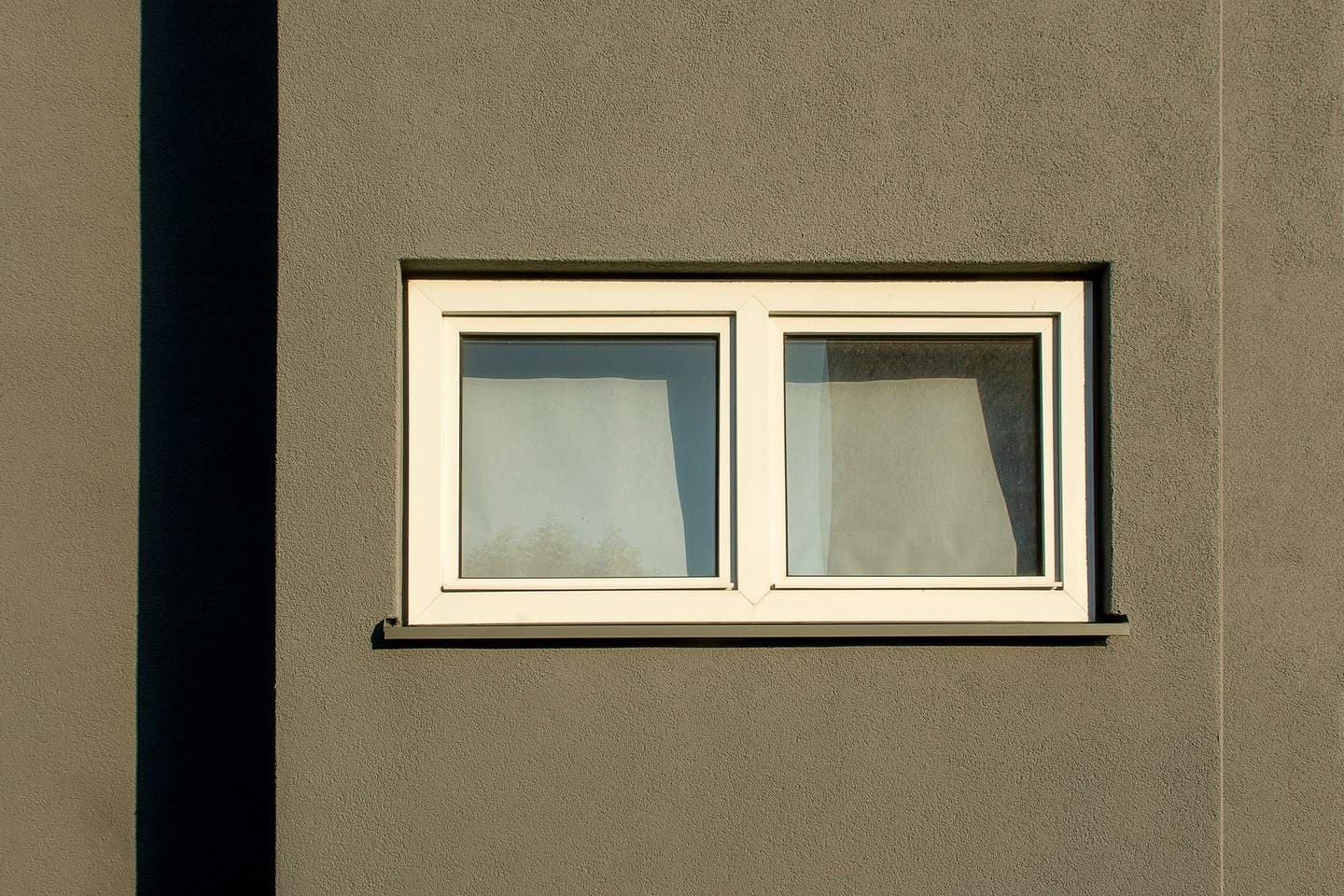
Low-E (low-emissivity) glass has a near-invisible metal or metal-oxide coating that reflects heat radiation while passing most visible light. In a double-glazed unit it cuts the heat flowing through a window; solar-control versions also block much of the sun's heat, which matters most in hot climates.
How does a low-E coating work?
Everything warm gives off infrared (heat) radiation. Ordinary glass absorbs that radiation and passes the heat on. A low-E coating has low emissivity: it reflects long-wave infrared instead of absorbing and re-emitting it. Visible light, which is shorter-wave, mostly passes through. The coating is so thin that the glass looks close to clear, sometimes with a faint grey, green or blue cast.
There are two broad jobs a coating can do. A thermal low-E keeps heat on the side where it came from, keeping a heated room warm in winter. A solar-control low-E also reflects a large share of the sun's near-infrared, keeping heat out. For Gurugram, Noida and most of North India, with long hot summers and heavy air-conditioning, solar-control coatings are usually the relevant type.
Hard coat vs soft coat
| Hard coat (pyrolytic) | Soft coat (sputtered) | |
|---|---|---|
| How it's applied | Sprayed onto the glass while still hot on the float line, fusing to the surface | Deposited in a vacuum chamber after the glass is made, often several silver layers |
| Durability | Tough; can be used single-glazed | Delicate; must be sealed inside a DGU |
| Performance | Good | Usually better insulation and solar control |
| Handling | Can be stored and processed more freely | Edge-deletion and limited storage time before sealing |
Why does the coating face matter?
Glass surfaces in a window are numbered from outside in: surface 1 faces the weather, surface 2 is the inside of the outer pane, 3 is the outer face of the inner pane, and 4 faces the room. Soft-coat low-E sits on surface 2 or 3, inside the sealed cavity of a double-glazed unit, where it is protected and faces an air space, which it needs in order to work. For hot climates, surface 2 is the common position for solar control, because it bounces the sun's heat before it reaches the cavity. The glass processor sets this; it is worth confirming on the order.
Where is it used, and where isn't it worth it?
- Air-conditioned offices and glass facades, often combined with structural glazing.
- West- and south-facing living rooms and bedrooms with large windows or slide-and-fold doors.
- Homes upgrading to uPVC windows with double glazing.
For small windows, shaded openings, bathrooms and interior partitions, low-E adds cost without much benefit. And since soft coat must be in a DGU, retrofitting it into a thin single-glazed sliding window is usually not practical.
How do you identify low-E glass?
- The flame test: in a dim room, hold a lighter flame near the glass. In a DGU you see four reflections; on a low-E unit, the one from the coated surface is a different colour from the rest.
- Glass suppliers and installers use small hand-held coating detectors that confirm the coating and which surface it is on.
- Look at it against a white wall: low-E glass often has a faint tint compared with clear float glass.
Common confusions
- Low-E vs tinted: tinted glass uses colour to cut glare and absorbs heat; low-E reflects heat while staying close to clear.
- Low-E vs reflective glass: reflective glass looks mirror-like from outside; most modern low-E does not.
- Low-E vs film: window films with low-E properties exist, but they are a retrofit with a shorter life than a factory coating.
- Low-E vs DGU: a DGU is a construction; low-E is a coating that is usually inside one. You can have a DGU without low-E.
Care
Because the soft coating sits inside the sealed unit, cleaning the outer faces is normal glass care. With hard-coat glass used single-glazed, avoid abrasive pads and metal scrapers on the coated face, and follow the supplier's note on cleaning products. Coated glass also shows scratches more readily, so careful handling during installation is part of the job.
Low-E with FabWise
FabWise's windows, doors and facade work in Gurugram and Noida is quoted after a site visit, and the glass (single, double-glazed, low-E) is specified for the orientation and room. Compare frame options in uPVC vs aluminium windows, and see structural glazing vs ACP for commercial facades.
Common questions
Is low-E glass good for hot climates like Gurgaon?
Yes, if it is a solar-control low-E. Those coatings reflect a large part of the sun's heat while letting most daylight through, which reduces air-conditioning load on large or west-facing windows. A purely thermal low-E designed for cold climates helps less in summer, so ask for the solar factor (SHGC) figure before choosing.
Can low-E glass be used as single glazing?
Only hard-coat (pyrolytic) low-E. It is fused to the glass and durable enough for single glazing, though its performance is lower. Soft-coat (sputtered) low-E, which performs better, is delicate and must be sealed inside a double-glazed unit on surface 2 or 3, facing the cavity.
Does low-E glass look tinted?
Often slightly. Most low-E coatings give a faint neutral, grey, green or blue cast, especially when you compare the glass against plain clear glass or look at it at an angle. Modern coatings are much more neutral than older reflective glass. Ask to see a sample in daylight before ordering if the colour matters.
Low-E glass ka pata kaise lagaye?
Hold a lighter flame close to the window in a dim room. A double-glazed unit shows four small flame reflections; if one of them has a noticeably different colour, that surface carries a low-E coating. Installers also use pocket coating detectors that confirm the coating and which surface it sits on.
Services on this page
Related terms
- Aluminium sectionsAluminium sections are extruded aluminium alloy profiles, most often alloy 6063 in a T5 or T6 temper, that form the frames of windows, sliding doors, partitions, louvres and facades, finished by anodising or powder coating.
- Double-glazed unit (DGU)A double-glazed unit (DGU, or insulated glass unit) is two panes of glass held apart by a spacer and sealed around the edge, with dry air or gas trapped between them to cut heat and noise.
- EPDM gasketsEPDM gaskets are flexible synthetic-rubber seals, made from ethylene propylene diene monomer, used in windows, doors, facades and glass systems because they stay elastic and resist sun, ozone and weather far longer than PVC seals.
- Hydraulic door closerA hydraulic door closer is a spring-and-oil device, usually mounted at the top of a door, that pulls the door shut after it is opened and uses oil flow to control the closing speed.
- Pleated mosquito meshA pleated mosquito mesh is an insect screen whose mesh is folded like an accordion and slides sideways in a slim aluminium frame, so it folds away when open and stays in place wherever it is left, without springs or a roller.
- uPVC profilesuPVC profiles are the hollow, multi-chambered frame sections of unplasticised polyvinyl chloride, stiffened inside with galvanised steel, that window and door frames are built from; they insulate well, need no painting and seal tightly.