

Glossary · Windows, doors & partitions · Gurgaon & Noida
Aluminium sections: the extrusions behind windows and doors
Aluminium sections are shaped profiles made by pushing heated aluminium alloy, usually 6063, through a die. Cut and joined, they form the frames of sliding windows, doors, partitions and facades. Their strength depends on the section's depth and wall thickness, and their finish is usually anodising or powder coating.
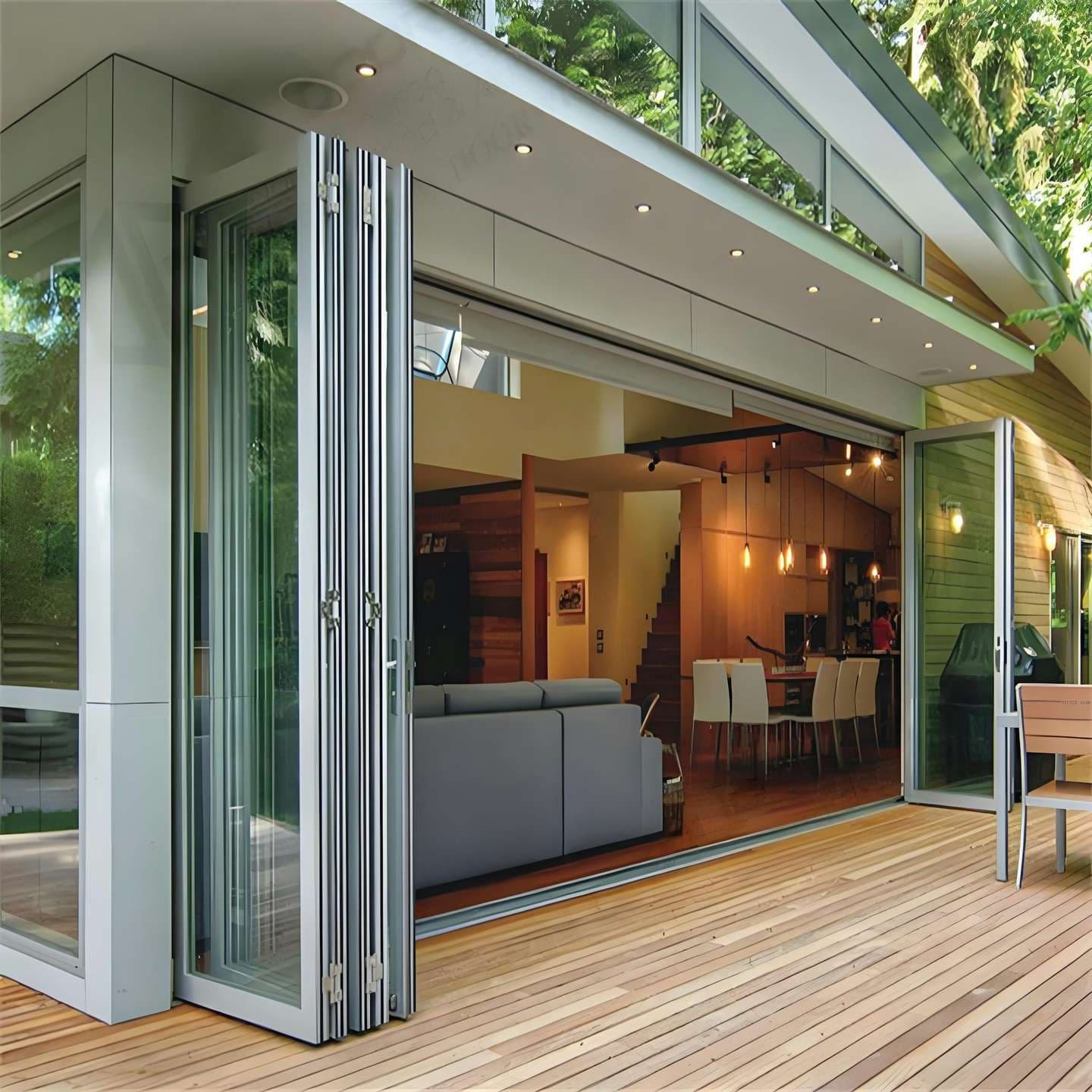
When a quote says "2-track sliding window in a 3-inch aluminium section", the word section refers to the extruded profile the frame is built from. Two windows of the same size can use sections that differ several times over in weight, stiffness and price. Here is what goes into a section and how to compare them for a flat or office in Gurugram or Noida.
How are aluminium sections made?
A heated billet of aluminium alloy is pushed through a steel die, much like toothpaste through a shaped nozzle, to form a long profile with grooves for glass, rollers, brush seals and gaskets. The profile is then aged (heat-treated) to its final strength and finished. For architecture, the common alloy is 6063, valued because it extrudes into fine shapes and takes a smooth anodised or powder finish; 6061 is used where higher strength is needed. Tempers such as T5 and T6 describe how it was heat-treated.
What makes one section better than another?
| Factor | What to look for | Effect |
|---|---|---|
| Section depth / series | Deeper series for larger openings and higher floors | Stiffness against wind and weight |
| Wall thickness | Typically about 1.2–2mm for window and door frames | Strength, screw holding, dent resistance |
| Weight per running metre | Stated by the system maker | A quick check that walls are not thinned |
| Interlock and track design | Deeper interlocks, raised tracks | Water and dust resistance in sliders |
| Thermal break | Polyamide strip separating inner and outer halves | Less heat transfer and condensation |
| Finish | Anodised or powder coated to a stated thickness | Durability and colour |
Anodised or powder coated?
Anodising thickens aluminium's natural oxide layer electrochemically, giving a hard, metallic finish in silver, champagne, bronze or black that will not peel. Powder coating applies a baked colour film in almost any shade, including matt black and wood-effect. Anodising is more scratch-resistant; powder coating offers more colours and is easier to match. Both fade slowly in strong sun; both need gentle cleaning.
Where aluminium sections are used
- Aluminium sliding windows and aluminium sliding doors.
- Slide and fold doors and casement systems.
- Office partitions such as the aluminium profile office partition and the matte black slim profiles of shower enclosures.
- Aluminium louvres, facade frames, and the sub-frames behind ACP cladding.
Aluminium vs uPVC vs steel
Aluminium is light, does not rust and is strong enough for slim frames around big glass, so it suits large sliders and modern sightlines. It conducts heat, so without a thermal break it gets hot or cold to the touch and can collect condensation (see window condensation). uPVC profiles insulate and seal better but need bulkier frames. Steel is strongest but heavy and needs rust protection. Our sliding vs casement windows guide explains how the opening style affects sealing.
How do you check a section?
- Ask for the system or series name and the brand of extrusion.
- Ask for the wall thickness and the weight per metre; compare quotes on the same basis.
- Look at the finish: anodised or powder coated, and the colour code.
- Check hardware: rollers, locks and handles should match the section's system, not generic substitutes.
- On sliders, check for brush seals, gaskets and weep holes in the bottom track.
Common problems
Rattling sashes usually mean worn rollers, loose interlocks or shrunk seals; see aluminium window rattling. A slider that drags often has a worn roller or a track full of grit; see sliding window hard to slide.
Care
Vacuum tracks regularly, wipe sections with mild soap and water, and avoid cement, lime or acid cleaners that etch both anodised and powder-coated finishes. Keep weep holes clear.
Where FabWise uses it
Our aluminium profile office partition lists a black aluminium frame, and the slim-profile shower styles list imported matte black aluminium profiles. For windows and doors, section series and finish are confirmed after the site visit and written into the quote; browse the windows and doors range.
Common questions
What thickness of aluminium section is good for windows?
For residential window and door frames, wall thicknesses of roughly 1.2–2mm are common, with deeper, heavier sections for large sliding doors and high floors. Thickness alone is not the whole story: section depth and design matter too. Compare quotes using the system name and weight per running metre, not just a quoted thickness.
Anodised or powder coated aluminium: which lasts longer?
Both last well when done properly. Anodising is part of the metal surface, so it does not peel and resists scratches, but colour choice is limited to metallic shades. Powder coating offers almost any colour and texture, but a deep scratch can chip it. Exterior work should specify a decent anodising or powder thickness either way.
What is a thermal break in aluminium windows?
A thermal break is an insulating strip, usually polyamide, that separates the inner and outer halves of an aluminium section. Because aluminium conducts heat well, a section without one passes heat and cold straight through, which can cause condensation. Thermal-break systems insulate better but are deeper and cost more.
Aluminium section ka weight kyun poochna chahiye?
Because weight per running metre is the easiest way to compare two sections that look the same. A copy of a standard section with thinner walls weighs less, flexes more and holds screws worse. Asking for the weight, along with the system name, keeps quotes comparable and discourages thin-walled substitutes.
Services on this page
Related terms
- Double-glazed unit (DGU)A double-glazed unit (DGU, or insulated glass unit) is two panes of glass held apart by a spacer and sealed around the edge, with dry air or gas trapped between them to cut heat and noise.
- EPDM gasketsEPDM gaskets are flexible synthetic-rubber seals, made from ethylene propylene diene monomer, used in windows, doors, facades and glass systems because they stay elastic and resist sun, ozone and weather far longer than PVC seals.
- Hydraulic door closerA hydraulic door closer is a spring-and-oil device, usually mounted at the top of a door, that pulls the door shut after it is opened and uses oil flow to control the closing speed.
- Low-E glassLow-E (low-emissivity) glass carries a microscopically thin metallic coating that reflects heat radiation while letting most visible light through, improving a window's insulation.
- Pleated mosquito meshA pleated mosquito mesh is an insect screen whose mesh is folded like an accordion and slides sideways in a slim aluminium frame, so it folds away when open and stays in place wherever it is left, without springs or a roller.
- uPVC profilesuPVC profiles are the hollow, multi-chambered frame sections of unplasticised polyvinyl chloride, stiffened inside with galvanised steel, that window and door frames are built from; they insulate well, need no painting and seal tightly.