

ACP Cladding
Check our reviews on GoogleQuoted after site visit
Measured on site, then a written, all-inclusive quote.
- Site survey
₹199₹99, adjusted in the final bill - Installed by professionals
More facades & shutters
Check out more options below
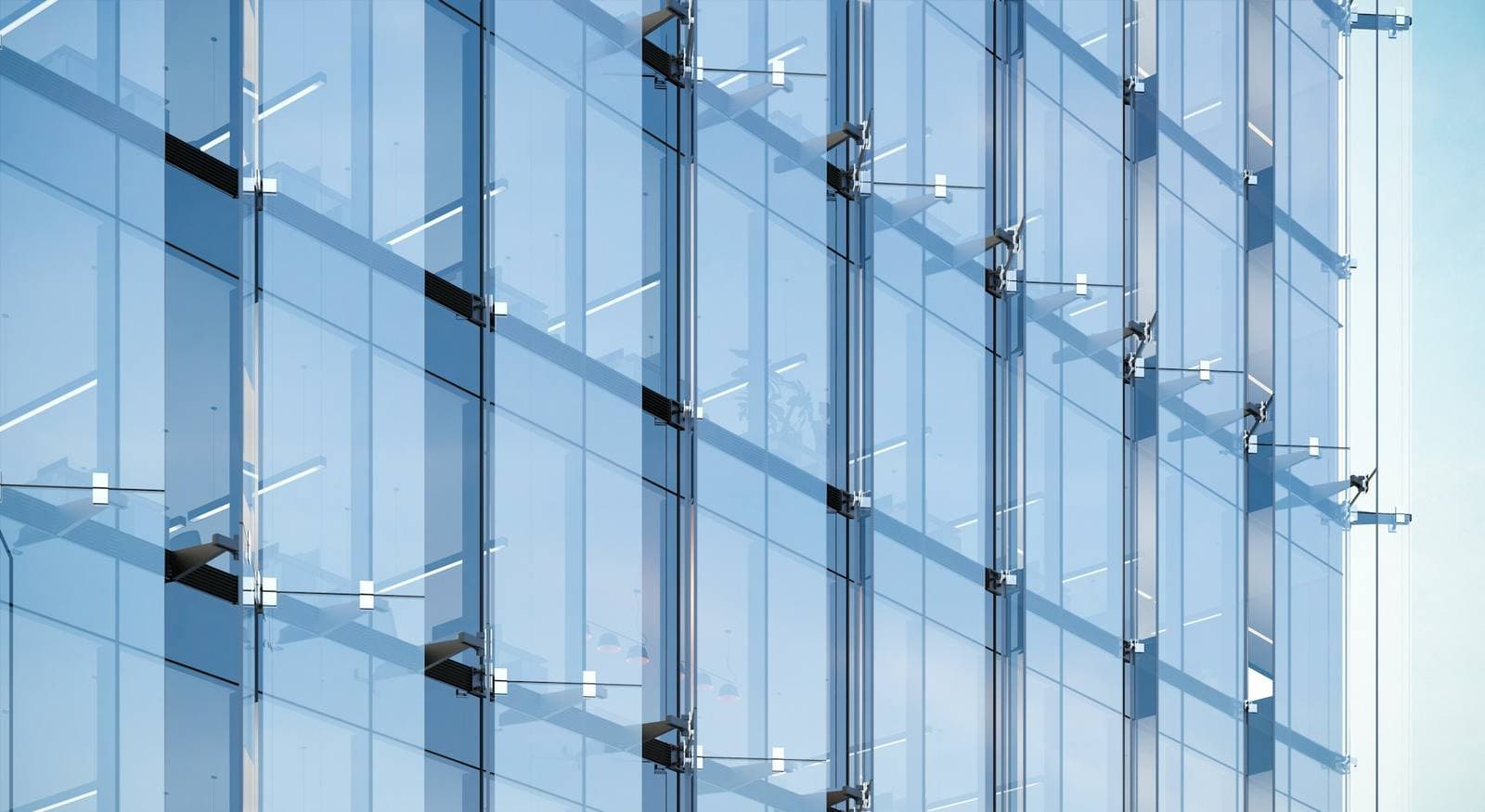
- Structural glazing
A glass facade bonded to an aluminium frame, so the outside of the building reads as one sheet of glass.
Quoted after site visit
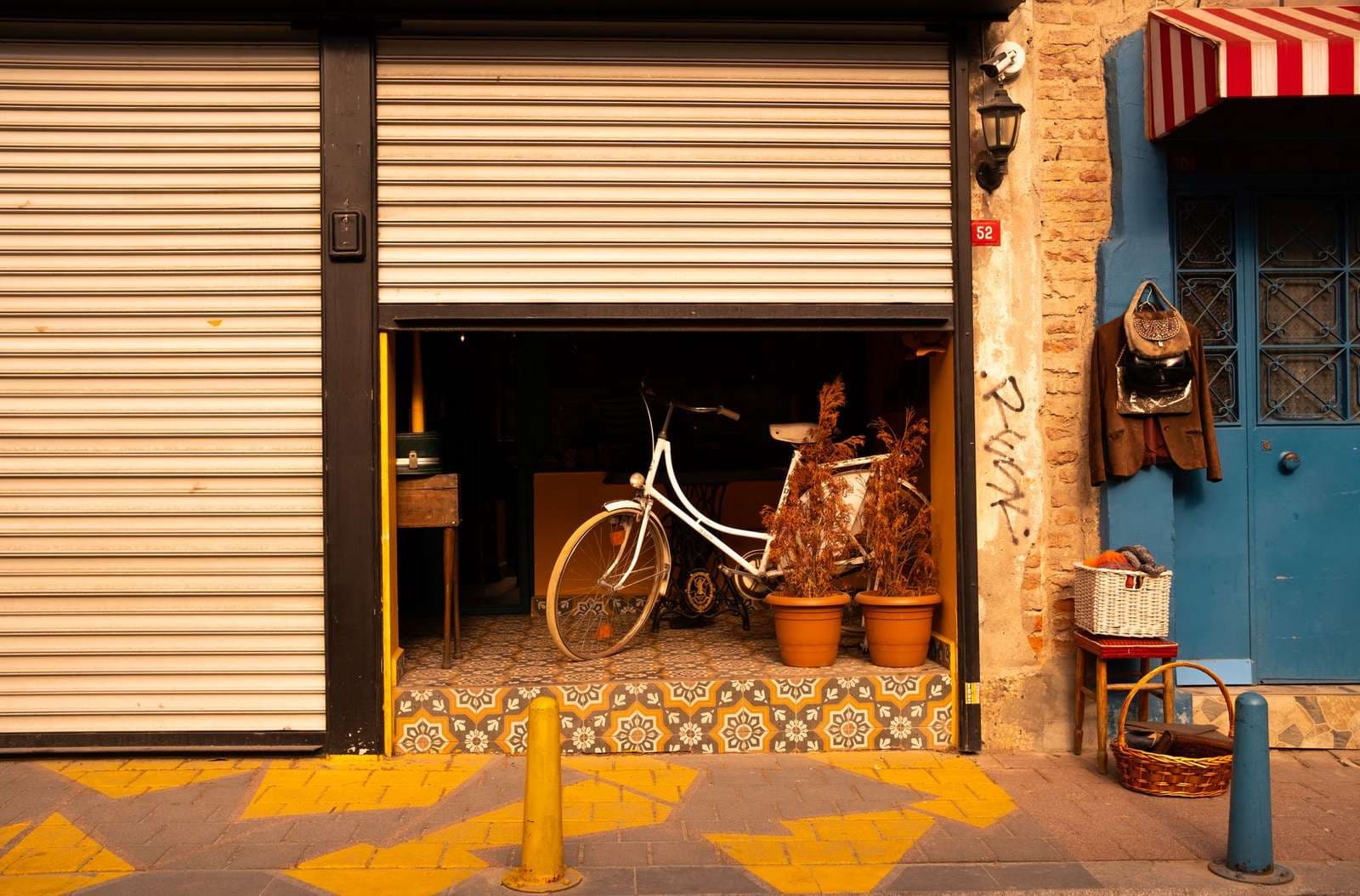
- Rolling shutter
A roll-up steel shutter for a shop or garage, manual or motorised.
Quoted after site visit
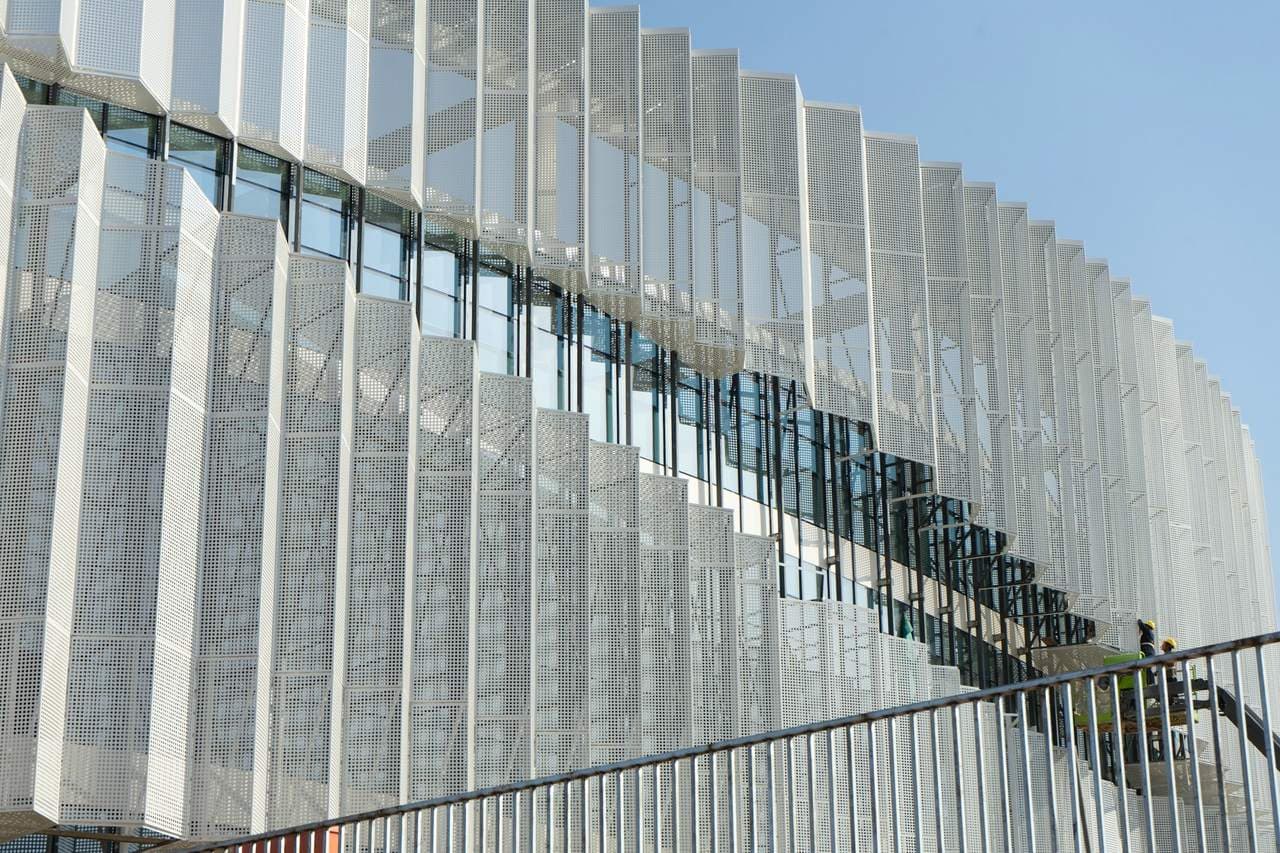
- Aluminium louvres
Fixed aluminium fins for a facade, a service duct or a balcony screen, to shade and hide without closing off the air.
Quoted after site visit
515 site visits requested in Gurugram & Noida — and counting
How it works
Choose your service
Choose a service and leave your contact.
We measure and survey
We visit within 24–48 hours. Site visit
₹199₹99, adjusted in the final bill.Exact fixed quote given
All inclusive quotation sent after measurements.
Work starts after advance paid
50% to begin, and the rest once the job is finished.
Aluminium composite panel cladding for shops and elevations
ACP cladding is a facade of aluminium composite panels (two thin aluminium skins bonded to a core) routed, folded and fixed onto a hidden aluminium or galvanised steel frame over a shop front or building elevation. Panels are usually 3mm to 4mm, with PVDF or polyester coating in solid, metallic, wood or stone finishes. The core decides fire behaviour: fire-retardant (FR) mineral core is the safer specification for buildings and multi-storey frontages; PE (polyethylene) core is cheaper but combustible. Specified for retail frontages, showrooms, clinics and building elevations. The frame and the joint detailing decide whether panels stay flat and watertight. Measured on site and installed by one team.
On a busy market road in Gurugram or Noida, the front of a shop is its signboard. ACP cladding gives a clean, modern elevation in your brand's colour, covers up tired plaster, and frames the glass and signage. It is also easy to get wrong: thin panels, a weak frame or the wrong core give you a front that bulges, leaks or is a fire risk. We measure the facade, specify the panel and frame, and install it with our own team.
What ACP is, and why the core matters
An aluminium composite panel (ACP) is a sandwich: two thin aluminium sheets bonded to a core, usually 3mm or 4mm thick overall. It is light, rigid, flat and easy to route and fold into trays, which is why it is the standard material for shop fronts and elevations.
The core is the key specification.
PE (polyethylene) core is the cheaper standard grade. It is combustible, which makes it unsuitable for tall buildings, escape routes and anywhere fire spread is a concern.
FR (fire-retardant) core is a mineral-filled core that resists burning and does not feed a fire in the same way. It costs more and is the safer specification for multi-storey frontages, malls, hospitals, schools and commercial complexes. Many building owners and mall managements now require it.
The face coating matters too. PVDF coatings hold their colour and gloss longer in strong sun than polyester coatings, which suits south- and west-facing fronts. Finishes include solid colours, metallics, mirror, wood-grain and stone effects.
The frame and fixing behind the panels
What you do not see decides how long a facade looks good.
ACP is fixed onto a sub-frame of aluminium sections or galvanised steel tube, anchored to the wall, slab edge or existing structure. Mild steel must be properly primed and painted, because a rusting frame behind the panels stains and loosens them over time. The frame is set out true, so the facade is flat even when the wall behind is not.
Panels are usually made into trays: routed along the back, folded at the edges and riveted or clipped to the frame. Joints are left as an open groove with a backing, or sealed with weatherproof silicone, depending on the design. Proper detailing at the top edge and around openings keeps rain from getting behind the cladding.
Thermal movement is real. A dark panel on a west-facing front can get very hot in May, and panels expand. Fixings must allow for that, or panels bow and joints open. Loose, rattling or bulging panels are covered on ACP panel loose.
For more on planning a frontage, read the ACP cladding shop front guide.
ACP shop fronts on Gurugram and Noida market roads
The typical job is a shop front in a commercial complex or on a market road: Sector 18 in Noida, MG Road and Sohna Road in Gurugram, the markets of Sector 14, South City and DLF phases, and showrooms along the Golf Course Extension and Noida Expressway. ACP wraps the fascia above the shopfront, frames the glass, and often carries 3D acrylic letters or an LED sign.
In a mall or commercial complex, the management usually has frontage rules: permitted colours, signage size, FR-core panels, approved working hours, and a work permit before anything is fixed. In a standalone building, the owner or other occupants may need to agree to the change.
The ACP often works with glass below it. A toughened glass shop front with door and a rolling shutter for security at night are common companions; structural glazing suits larger glass elevations.
Dust and diesel soot from busy roads show on dark matt panels, so lighter or metallic finishes are easier to keep looking clean.
What decides the cost of ACP cladding
ACP is priced per square foot of facade, and the rate depends on choices made at the visit. The ACP cladding price guide explains this in more depth; the main factors are:
Panel grade. FR core costs more than PE core, and branded panels more than unbranded.
Thickness and coating. 4mm over 3mm, PVDF over polyester, and special finishes such as mirror, wood or stone.
Frame. Aluminium versus galvanised or painted steel, and how much framing the wall needs to bring it true.
Detailing. Folded trays, curves, returns around columns and integrated signage grooves add labour.
Height and access. A single-storey fascia from a ladder versus scaffolding or a boom on a multi-storey front.
Site rules. Night working or restricted hours in malls.
The written quote shows each element, so two quotes can be compared on panel grade and frame, not just on a headline number.
How the job runs, and keeping ACP clean
Book a site visit for ₹99, usually within 24 to 48 hours; it is adjusted against your bill if you go ahead. We measure the facade, check the wall and fixing points, note signage and any complex rules, and agree panel grade and colour. A written, all-inclusive quote usually follows within about two hours and is valid for three days.
After a 50% advance, the frame is fabricated and the panels are cut, routed and folded to size. On site the frame goes up first, set out true, then the panels are fixed and the protective film peeled. The balance 50% is due on completion.
Wash ACP with water and mild detergent and a soft cloth once or twice a year, more often near a busy road, and avoid abrasive pads that scratch the coating. Check sealant joints annually. See all facade services in the facades and shutters catalogue, or the facades and shutters in Gurgaon page.
Specification
- Panel
- Aluminium composite panel, commonly 3mm or 4mm
- Core
- FR (fire-retardant) mineral core or PE core, depending on the building
- Coating
- PVDF or polyester, in solid, metallic, wood or stone finishes
- Sub-frame
- Aluminium sections or galvanised or painted steel tube
- Fixing
- Routed and folded trays, riveted or clipped to the frame
- Joints
- Open groove or weatherproof silicone, depending on the design
Common questions
What is the difference between FR and PE core ACP?
PE core ACP has a polyethylene core that is combustible; it is cheaper and used for small, low-risk signage. FR (fire-retardant) core has a mineral-filled core that resists burning and is the safer choice for building facades, multi-storey shop fronts and commercial complexes. Many malls and building managements require FR core.
How much does ACP cladding cost per sq ft in Gurgaon?
It depends on the core (FR or PE), thickness, coating and finish, the frame, the detailing and the working height. We do not publish a rate; after a site visit you receive a written, all-inclusive quote, usually within about two hours, listing panel and frame separately.
Which ACP thickness is best for a shop front?
4mm panels are commonly used for elevations and larger fronts because they stay flatter over wider spans. 3mm panels can suit smaller fascias and interiors. Flatness also depends on the frame behind the panels and how they are fixed, which matters as much as the thickness.
Do I need mall or building permission for ACP cladding?
Usually yes. Malls and commercial complexes typically have frontage rules covering colour, signage, panel type and working hours, and require a work permit before installation. In a standalone building, the owner or other occupants may need to agree. Get approvals before the advance so the work is not held up.
ACP cladding kitne saal chalti hai?
Well-installed ACP with a good coating can keep its look for many years. PVDF coatings resist fading better than polyester in strong sun. The frame matters as much as the panel: a rust-protected or aluminium frame and properly detailed joints keep panels flat and dry for longer.
Where we fit it, and what it costs
- Facades & Shutters in Gurgaon
- Facades & Shutters in Noida
- Facades & Shutters in Delhi
- Facades & Shutters in Faridabad
- Facades & Shutters in Ghaziabad
- Facades & Shutters in Greater Noida
- Facades & Shutters in ChandigarhLarger projects
- Facades & Shutters in JaipurLarger projects
- Facades & Shutters in LucknowLarger projects
- Facades & Shutters in DehradunLarger projects
- Facades & Shutters in MeerutLarger projects
- Facades & Shutters in SonipatLarger projects
- Facades & Shutters in PanipatLarger projects
- Facades & Shutters in KarnalLarger projects
- Facades & Shutters in LudhianaLarger projects
- Facades & Shutters in AgraLarger projects
- What is acp fire-retardant (fr) core?An FR-core ACP is an aluminium composite panel whose core between the two aluminium skins is heavily filled with mineral fire retardants instead of plain polyethylene, so it resists ignition and flame spread far better than a standard PE-core panel.
- What is louvres?Louvres are a series of angled horizontal or vertical slats, usually in aluminium, fixed or adjustable, that let air and filtered light through a facade, window, vent or pergola while blocking direct sun, rain and views.
- What is spider fittings?Spider fittings are stainless steel brackets with one to four arms that hold glass panels at their corners through drilled holes, creating frameless point-fixed glass facades, canopies and walls.
- What is structural silicone?Structural silicone is a high-strength silicone sealant engineered to bond glass to a supporting frame and carry wind and weight loads, used in structural glazing facades.
- ACP Cladding Price in Gurgaon: How It's Calculated
- Rolling shutter is stuck halfway, jammed or too heavy to lift
- ACP cladding panel is loose, bulging or coming off the wall
- ACP cladding has faded, chalked or turned patchy in colour
- Rolling shutter grinds, screeches or bangs when opened and closed
- Rolling shutter lock won't open or the key won't turn
- DLF Cyber CityDLF Phases 2 & 3, beside NH-48
- Cyber HubDLF CyberHub, next to DLF Cyber City
- Golf Course Extension RoadSectors 58 to 67
- Sohna RoadSectors 47, 48 and 49, Subhash Chowk
- Udyog ViharPhases 1 to 5, west of NH-48
- MG RoadMehrauli–Gurgaon Road, Sikanderpur to IFFCO Chowk
- Old GurgaonSadar Bazaar, Jacobpura, Civil Lines and the older sectors
- Sectors 14 & 15Sector 14, Sector 15 Part 1 and Part 2
- Every facades & shutters option