

ACP cladding · Facades
ACP panel loose or coming off in Gurgaon: why cladding fails and the fix
ACP (aluminium composite panel) comes loose when it was glued on with adhesive or double tape instead of fixed to a frame, when the frame behind it has rusted, when rivets or screws have pulled out, or when panels had no expansion gap and buckled in the heat. A loose panel can fall, so it should be secured quickly.
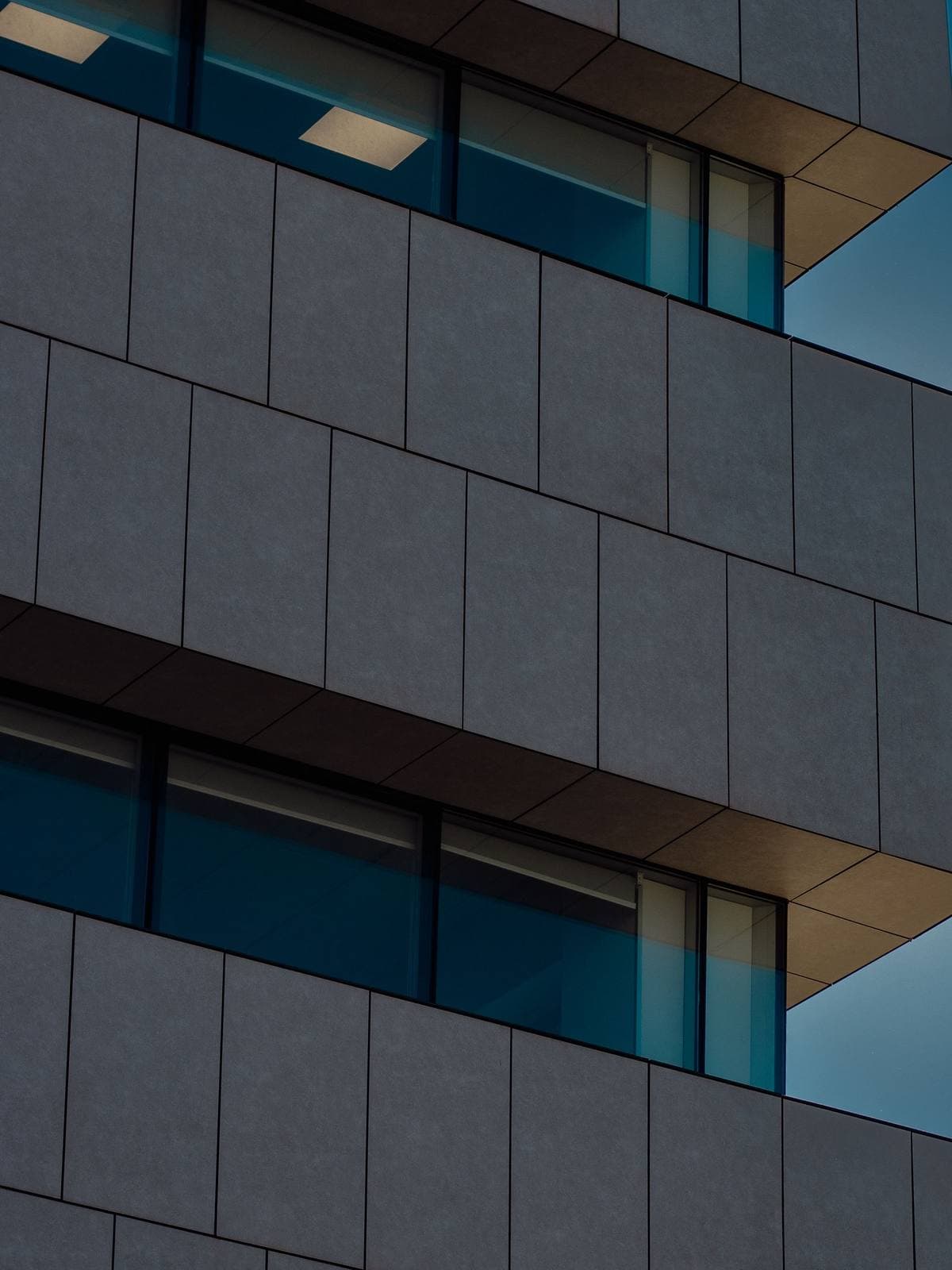
ACP cladding is the default shop-front and facade finish across Gurugram's markets, from MG Road showrooms to the commercial strips of Sohna Road and Noida's Sector 18. It's light, flat and comes in any colour. But a panel that starts flapping in a dust storm or peels away above a shop entrance is a real hazard to people below, and a sign that something behind it has failed.
Why ACP comes loose
Panels stuck on with adhesive or tape, not a frame
The cheapest way to clad a front is to glue ACP straight onto plaster, or onto a frame using double-sided tape alone. In a 45°C summer the adhesive softens, and rain gets behind it in the monsoon. The bond fails edge-first, and the panel starts to lift. This is the most common cause.
Rusted MS frame behind the panels
Proper ACP is fixed to a sub-frame, often of MS (mild steel) tube or aluminium. An unpainted or poorly painted MS frame rusts behind the cladding where nobody sees it, until rivets pull out of the rusted section.
Rivets or screws pulled out
Rivets set too close to the panel edge, wrong-size rivets or too few fixings let panels work loose with wind and thermal movement.
No expansion gaps: panels buckle
Aluminium expands in heat. Panels butted tight against each other with no gap bow outward on a summer afternoon, which pulls fixings and breaks the bond along joints.
Failed joint sealant and water ingress
The silicone between panels keeps water out. Once it cracks, water gets behind the panels, rusts the frame and attacks any adhesive.
Wind load at corners and parapets
Corners, top edges and high panels take the strongest wind. A dust storm finds the weakest fixing there first.
| What you see | Likely cause | Fix |
|---|---|---|
| Panel edge peeling off the wall | Adhesive or tape-only fixing failed | Re-fix on a proper sub-frame |
| Rust streaks below joints | Rusting MS frame behind | Open up, replace or treat frame, re-fix |
| Panel rattles or flaps in wind | Rivets or screws pulled out | Re-rivet with correct fixings and spacing |
| Panels bowing on hot days | No expansion gaps | Re-cut and re-fix with gaps |
| Dark lines and gaps at joints | Joint sealant failed | Cut out and re-seal joints |
What you can check without climbing
- From the ground, look along the facade for panel edges that sit proud of their neighbours, bulges or gaps at joints.
- Look for rust stains running down from joints or fixings.
- On a windy day, listen for rattling or flapping, and note which panel.
- Don't climb up to push or tape a loose panel. Facade work at height needs proper access and safety gear.
Repair or re-clad?
If only a few panels are loose and the frame behind them is sound, they can be re-fixed with correct rivets, gaps and sealant. If the panels were glued to plaster with no frame, or the MS frame behind has rusted widely, the lasting fix is to strip and re-clad with ACP cladding on a properly protected sub-frame, with expansion gaps and sealed joints. Many shop owners use the opportunity to rethink the front: structural glazing for a glass face, or aluminium louvers for ventilation and a screen over AC units. The ACP cladding shop front guide explains panel thickness and fire-rated core options, and the ACP cladding price guide covers what changes the cost. Some commercial complexes and markets have facade rules, so check with the building management before re-cladding.
How FabWise handles a loose ACP panel
Send photos of the whole facade, close-ups of the loose panels and any rust stains, and the floor level, on WhatsApp. If we need to inspect it, the site visit is ₹99, adjusted against the bill if you go ahead. ACP work is quoted after the visit; there's no published rate for it.
Preventing it next time
- Fix ACP mechanically to a sub-frame, not with adhesive or tape alone.
- Use aluminium or properly primed and painted MS for the frame.
- Leave expansion gaps between panels and seal them with a weather sealant.
- Check the joints and fixings after each monsoon and dust-storm season, especially at corners and the top edge.
Related: rolling shutter stuck, and rust behind cladding works like gate and grill rusting. Browse the facades and shutters catalogue, or see shop-front work along MG Road and facades in Noida. Send us a photo on WhatsApp and we'll tell you how it's fixed.
Common questions
Why is my ACP sheet coming off the wall?
Usually because it was stuck on with adhesive or tape instead of being fixed to a frame, and the bond has failed in the heat and rain. Other causes are a rusted steel frame behind the panels, rivets pulling out, and panels fitted without expansion gaps that buckle in summer.
Is a loose ACP panel dangerous?
It can be. A loose panel can be torn off by wind, especially during dust storms, and fall onto people or cars below. Keep the area underneath clear and get it secured soon. Don't climb up to tape or push it back yourself.
Can loose ACP panels be re-fixed or do they need replacing?
If the panels aren't bent or creased and the frame behind is sound, they can usually be re-fixed with proper rivets, gaps and fresh sealant. Panels that have buckled, creased or delaminated need replacing. If they were glued to plaster with no frame, re-cladding on a frame is the lasting fix.
ACP sheet nikal rahi hai dukaan ke upar se, kya karein?
Pehle neeche ka area khaali karwa dijiye, taaki koi chot na lage. Then send photos of the panel and the facade on WhatsApp. Most loose ACP comes from failed adhesive or a rusted frame, and we'll tell you whether it needs re-fixing or re-cladding.
What thickness of ACP is best for a shop front?
For exterior shop fronts, 4mm panels with a thicker aluminium skin are commonly used, and a fire-rated core is increasingly specified for commercial buildings. The frame and fixing method matter more for how long it stays on than the panel thickness. The ACP shop front guide explains the options.
Services on this page
Related problems
- Rolling shutter is stuck halfway, jammed or too heavy to lift
- ACP cladding has faded, chalked or turned patchy in colour
- Rolling shutter grinds, screeches or bangs when opened and closed
- Rolling shutter lock won't open or the key won't turn
- Water leaks through a structural glazing or glass facade
- Aluminium louvres rattle, clatter or whistle in the wind
Get it fixed
- ACP Cladding, Facades & Shutters: every option
- ACP Cladding, Facades & Shutters in Gurgaon
- ACP Cladding, Facades & Shutters in Noida
- ACP Cladding, Facades & Shutters in Delhi
- ACP Cladding, Facades & Shutters in Faridabad
- ACP Cladding, Facades & Shutters in Ghaziabad
- ACP Cladding, Facades & Shutters in Greater Noida
- ACP cladding price