

Facades & Shutters
ACP Cladding for Shop Fronts: Grades, Fire Safety and Upkeep
What to specify for an ACP shop front in Gurugram or Noida: fire-rated core, panel and skin thickness, coating, a proper sub-frame, signage planning and simple upkeep.

For a shop front in Gurgaon or Noida, specify FR (fire-retardant) core ACP, usually 4 mm thick with a proper aluminium skin, a durable coating for outdoor colour, fixed on a rust-protected sub-frame with sealed joints, and plan the signage and wiring before the panels go up. That combination looks sharp on opening day and still looks right years later. Cheaper panels mostly save money on exactly those points.
ACP cladding (aluminium composite panel) is the default shop front and elevation finish in markets across Gurugram, from Sohna Road and MG Road to Sector 18, Noida. This guide explains what is inside the panel and what to ask for.
What is ACP made of?
An ACP is a sandwich: two thin aluminium skins bonded to a core. The outer skin carries the coloured coating; the core gives the panel its thickness and flatness. Three things decide quality: the core, the skin thickness and the coating.
FR core or PE core: why does it matter?
PE (polyethylene) core ACP has a plain plastic core. It is cheaper and easy to work, but the core burns. FR (fire-retardant) core ACP has a core that is largely mineral-filled, so it resists fire spread much better. Some manufacturers also offer higher, non-combustible-class cores.
After facade fires abroad, many building codes and building managements have tightened rules on combustible cladding. In India, many malls, commercial complexes and larger buildings now ask for FR-grade panels on their facades. Check with your building management and the building's terms, and ask your supplier for the manufacturer's test certificate for the panel actually being supplied.
| Factor | PE core ACP | FR core ACP |
|---|---|---|
| Core | Polyethylene (plastic) | Mineral-filled, fire-retardant |
| Fire behaviour | Core is combustible | Much better resistance to fire spread |
| Typical use | Interior signage, small low-risk applications | Shop fronts, elevations, any exterior facade |
| What to ask for | Not recommended outside | Grade and test certificate in writing |
What thickness of ACP should a shop front use?
ACP is commonly sold in 3 mm and 4 mm panel thicknesses. 4 mm is the usual choice for exteriors: it stays flatter over larger panels and resists dents better. 3 mm is common for interiors and signage boards.
The aluminium skin thickness matters even more than the total thickness. Exterior-grade panels commonly use skins around 0.5 mm; cheaper panels use much thinner skins that dent, ripple in the sun and show the frame through the face. Ask what skin thickness is being quoted.
Coating: PVDF or polyester?
Outdoor ACP usually comes with a PVDF (Kynar-type) coating, which holds its colour and gloss well in strong sun. Polyester coatings are cheaper and fine indoors but can fade and chalk faster outside. A west-facing shop front on a Gurgaon market road gets serious afternoon sun, so the coating matters.
How should ACP be fixed to the building?
ACP is never fixed straight onto plaster. It goes on a sub-frame, usually aluminium or MS tube, anchored into the wall or slab. The frame keeps the panels flat, creates a ventilated gap behind them, and carries wind load.
| Fixing system | How it works | Look | Notes |
|---|---|---|---|
| Direct fix (rivet or screw) | Panels screwed or riveted to the frame | Fixings visible | Quick and economical; suits small fronts |
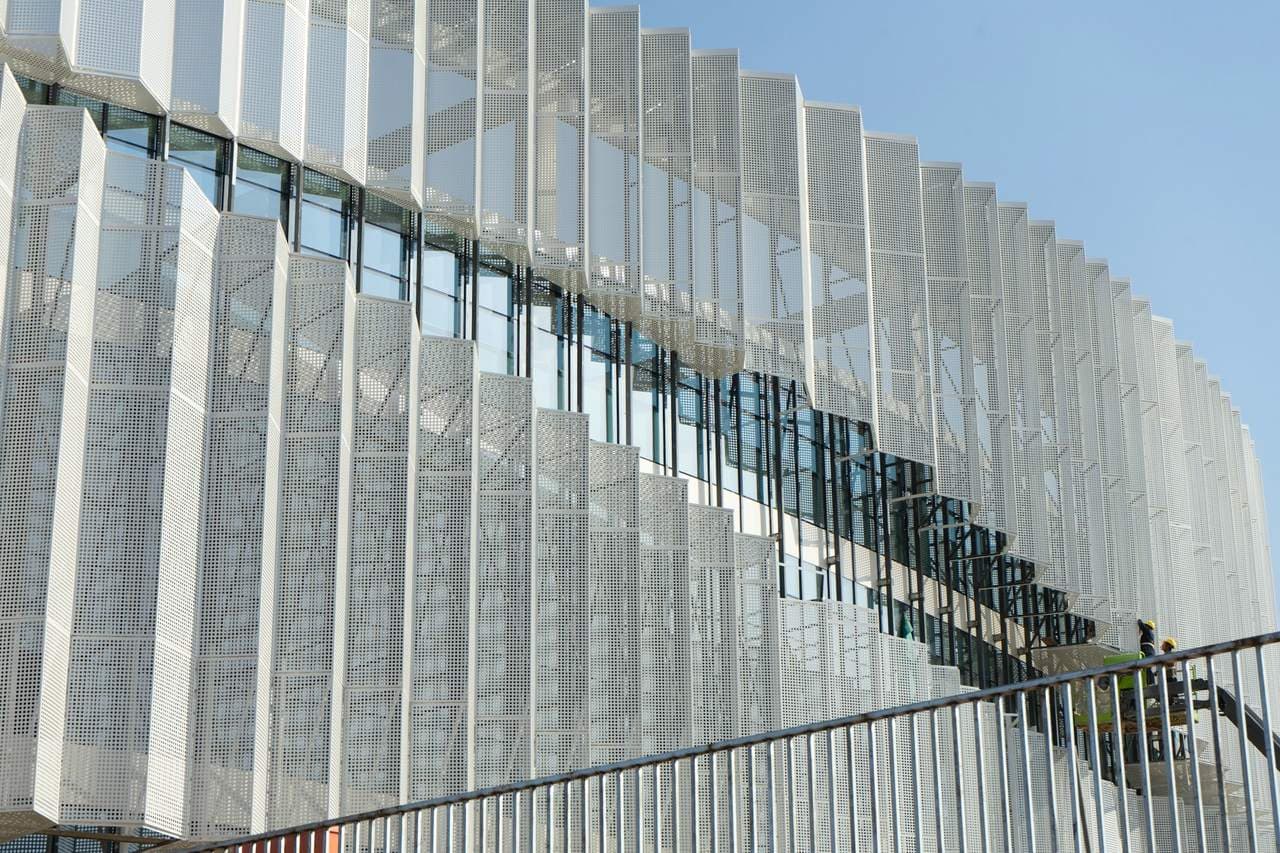
| Route-and-return (cassette) | Panel edges routed and folded into trays, hooked or fixed on the frame | Clean, no visible fixings | The standard for a neat shop front |
| Sealed joints | Joint gaps filled with weather silicone | Smooth, continuous face | Sealant needs checking over the years |
| Open joints | Gaps left open with a backing behind | Crisp shadow lines | Needs a watertight backing behind |
An MS sub-frame must be primed and painted, because rust behind the panel shows later as stains and loose fixings. Most cases of an ACP panel coming loose trace back to a weak frame, too few fixings, or sealant that has failed.
How do you fit signage into an ACP front?
Signage is usually the reason for the ACP, so plan it into the design rather than drilling into finished panels later:
- Fix the sign size, position and type first: flat cut letters, 3D acrylic letters, or backlit letters with LEDs.
- Run conduits and power points behind the cladding before the panels close, with access for the LED drivers.
- Add backing members in the frame where heavy letters or a projecting sign will be fixed.
- For backlit cut-out letters, the ACP is routed and acrylic fitted behind, which needs a box behind the panel.
- Check market association, mall or building rules on sign size and lighting before you finalise.
What sits well with ACP on a shop front?
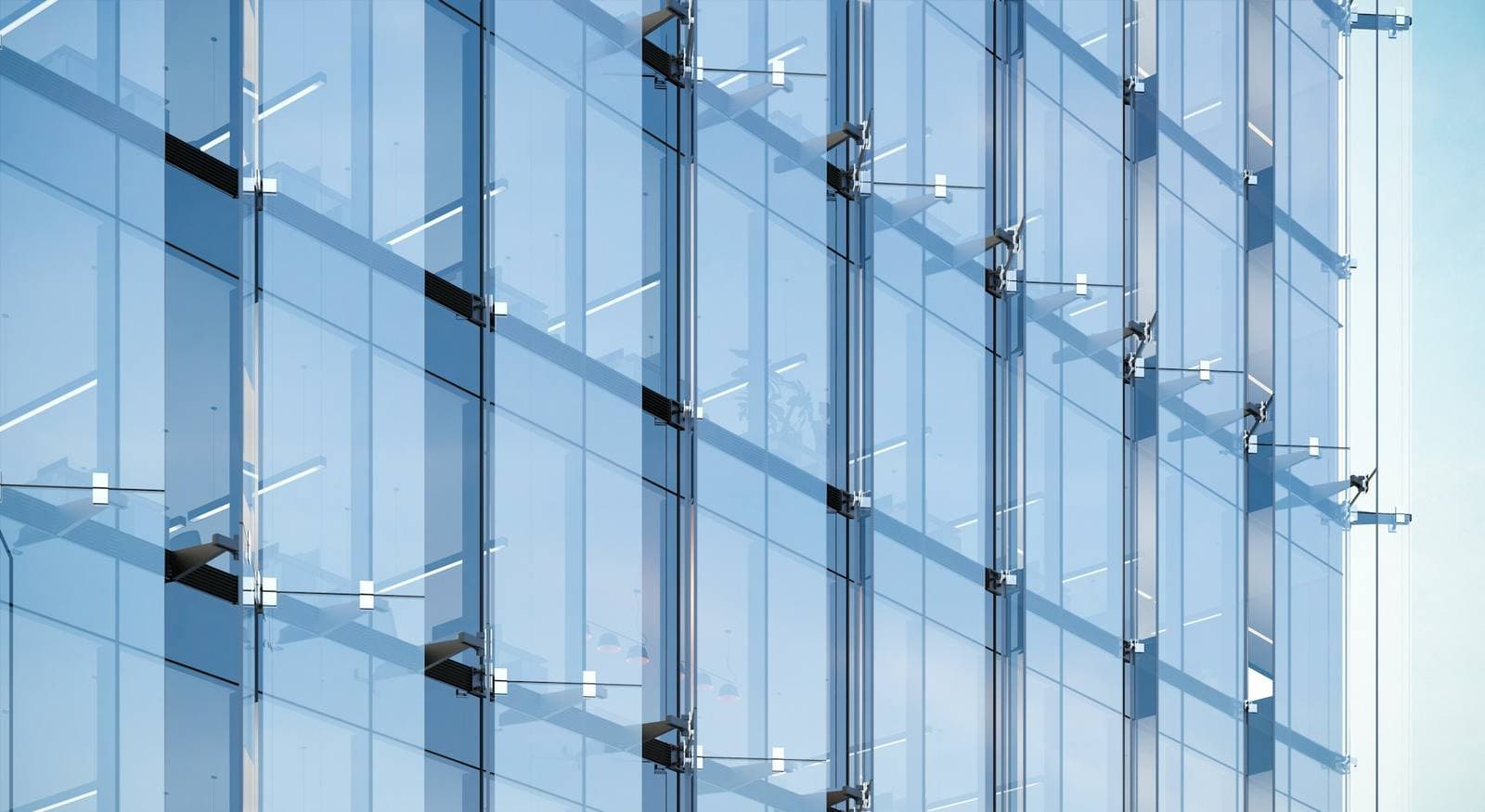
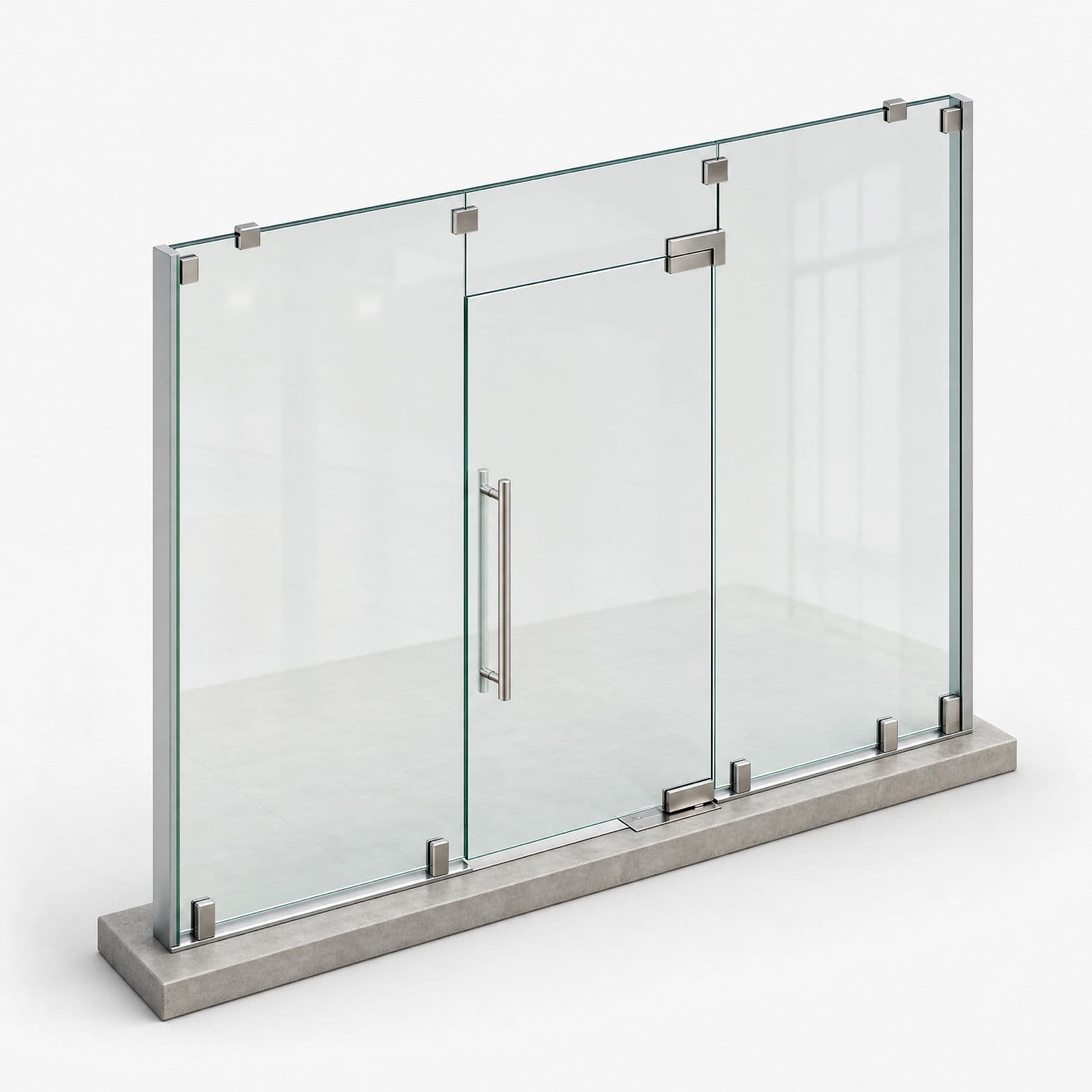
ACP rarely stands alone. Most fronts combine it with a toughened glass shop front with a door for the display, a rolling shutter for security after hours, and sometimes aluminium louvres to hide AC units. Bigger showrooms and offices in areas like Udyog Vihar may use structural glazing for a full glass facade with ACP bands. Planning these together makes the joints line up and avoids repeated scaffolding.
How do you keep an ACP front looking new?
- Peel the protective film promptly after installation. Film left on in the sun bakes onto the panel and becomes very hard to remove.
- Wash the panels a few times a year with water and a mild detergent and a soft cloth; avoid abrasive pads and harsh solvents.
- Check the joint sealant once a year, especially after the monsoon, and redo any cracked or shrinking joints.
- Look for rippled or lifting panels; act early, before a loose panel catches the wind.
- Keep the sign's electrical box accessible and dry.
Can ACP go over an old shop front?
Often, yes, and it is one of the main reasons shopkeepers in older markets choose it. ACP on a sub-frame can cover tired plaster, old tiles or a stained stone front without breaking them out, as long as the wall underneath is sound enough to anchor the frame. A few checks come first:
- Loose plaster or tiles behind the frame line are removed, so the anchors go into solid masonry or concrete.
- Any dampness in the wall is dealt with; cladding over a wet wall hides the problem rather than solving it.
- Old signboards, brackets and wiring are taken down or rerouted before the frame goes up.
- Shutter boxes, AC drain pipes and meter boards are planned around, so they stay reachable.
What changes the price of ACP cladding?
ACP is priced per sq ft. Panel brand and core (FR vs PE), panel and skin thickness, coating, the sub-frame, the fixing system, signage cut-outs, height and scaffolding all move the figure, and so does whether the old front must be removed. We quote this work after a site visit; the ACP cladding price guide explains each part. Browse all facades and shutters, or see how facade jobs work in Gurgaon and Noida, including older markets in Old Gurgaon.
FabWise measures the front and checks the wall and existing signage at a ₹99 site visit, adjusted against your bill if you go ahead, and then sends a written, all-inclusive quote naming the panel grade, frame and finish.
Common questions
Which ACP is best for a shop front?
For an exterior shop front, choose FR (fire-retardant) core ACP, usually 4 mm thick with a skin of around 0.5 mm and a PVDF coating for colour stability in sun. Ask for the brand, grade and core type in writing, and make sure it is fixed on a proper sub-frame with sealed joints.
What is the difference between FR and non-FR ACP?
Non-FR (PE core) ACP has a plain polyethylene core that is combustible. FR ACP has a mineral-filled, fire-retardant core that resists fire spread far better. Many malls and commercial buildings now ask for FR-grade panels on facades, so check your building's rules and ask for the manufacturer's test certificate.
Is 3 mm or 4 mm ACP better?
For exterior cladding, 4 mm is the usual choice because it stays flatter over large panels and resists dents better. 3 mm suits interiors and signage boards. The aluminium skin thickness matters as much as the total thickness, so ask what skin the quoted panel uses.
Why are my ACP panels coming loose?
Usually because of a weak or rusting sub-frame, too few fixings, failed joint sealant, or panels fixed straight to plaster. Wind can then lift the panels. Send us a photo on WhatsApp; loose panels should be secured quickly, before one comes off in a storm.
Dukaan ke front pe ACP lagwane mein kitna time lagta hai?
It depends on the size of the front, signage work and access. After the site visit you get a written quote within about 2 hours, and fabrication of the frame starts once the 50% advance is paid. We confirm the timeline for your front in that quote.
How do I clean ACP cladding?
Wash it a few times a year with water, a mild detergent and a soft cloth or sponge, then rinse. Avoid abrasive pads, wire brushes and strong solvents, which damage the coating. Check the joint sealant after each monsoon and redo any cracked joints.
What this page is about
Read next
- Shop Front Design Ideas That Pull People In Off the StreetA shop front has three jobs: be seen from across the road, show what's inside, and make walking in easy. Design ideas for glass, ACP, signage, doors and shutters that do all three.
- Structural Glazing vs ACP Cladding: Choosing a Building FacadeStructural glazing turns a building face into glass; ACP gives it a solid, coloured skin. How they compare on light, heat, fire safety, upkeep and life, and why most facades use both.
- Rolling Shutter: Manual or Motorised? How to DecideA small shop shutter lifted twice a day is fine by hand; a wide warehouse shutter or one opened ten times a day wants a motor. How to decide, and what to plan for power cuts and upkeep.