

Facades & shutters · Ghaziabad
ACP cladding, glazing and rolling shutters in Ghaziabad
FabWise fits ACP cladding, structural glazing, rolling shutters and aluminium louvres on Ghaziabad shops, showrooms, clinics and industrial units. There is no published rate: each job is quoted in writing after a site visit, from the area, the panel or glass specification, the substructure and access.
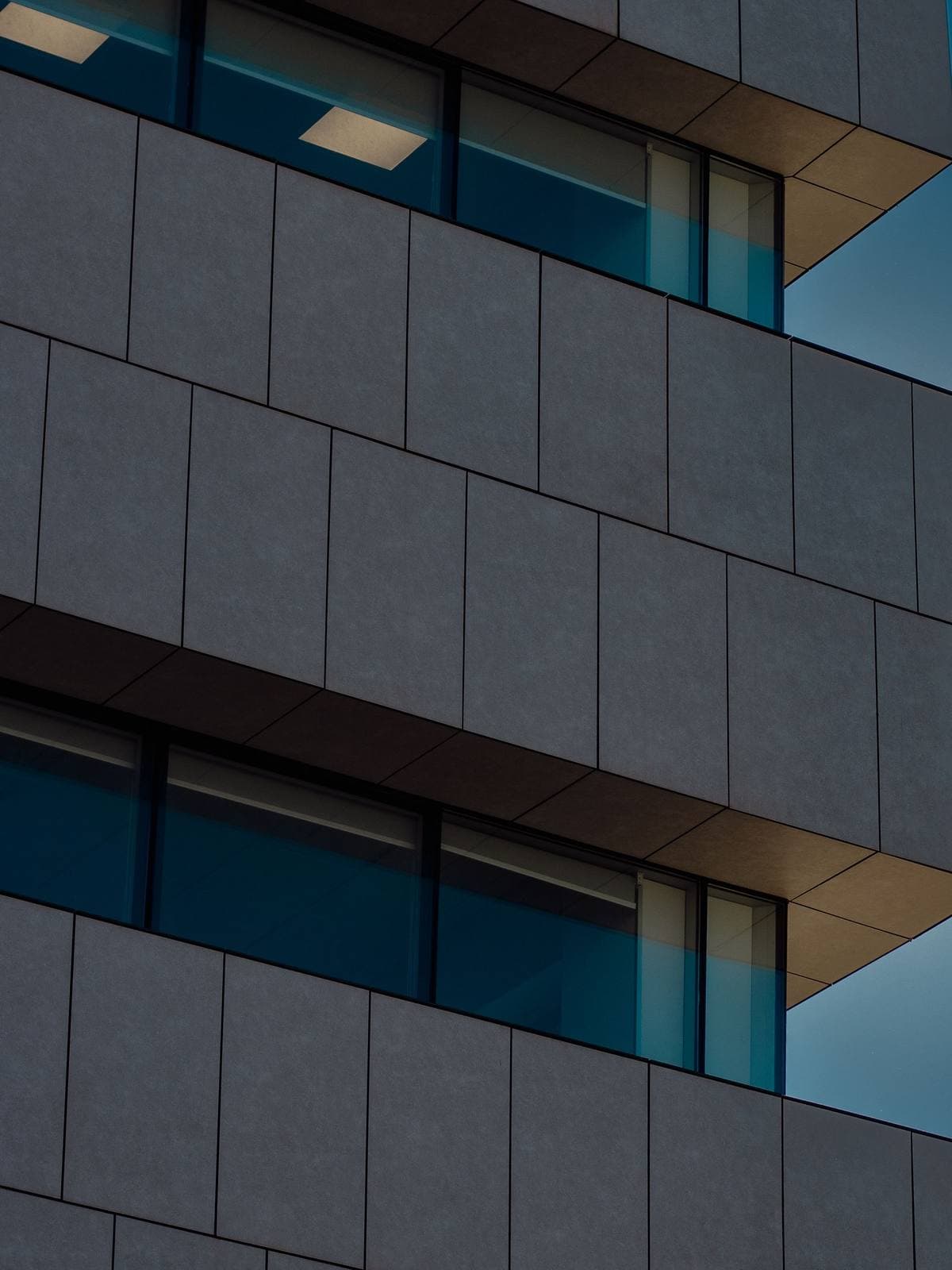
A building's front is its signboard. Along GT Road, Ambedkar Road and the Meerut Road, in Raj Nagar District Centre, in the Indirapuram and Vaishali shopping strips and in the old city markets, shop owners and landlords redo facades to stand out from the next building. ACP cladding in Ghaziabad, structural glazing, rolling shutters and louvres are the four ways to do it. Each solves a different problem, and many fronts use two or three together.
What each facade system is for
| System | What it does | Where it is used in Ghaziabad |
|---|---|---|
| ACP cladding | Covers an old or uneven front in flat aluminium composite panels, in any colour | Showrooms on main roads, coaching and clinic buildings, factory fronts |
| Structural glazing | A flush glass front held on silicone, with no visible frame outside | Showrooms, offices, hospital and bank frontages |
| Rolling shutter | Security for an opening, manual or motorised | Every shop in a market, warehouse and factory openings |
| Aluminium louvres | Ventilation and screening while hiding services | AC unit screens, stair cores, factory walls |
Main-road showrooms: ACP, glass and a sign that lasts
Car, furniture and electronics showrooms along the NH-9 and Meerut Road corridors usually combine structural glazing at ground level with ACP above it to carry the signage. ACP is light, takes a sign well and hides an old plastered front quickly. The thing to specify is the core: for commercial buildings, a fire-retardant core ACP is the safer choice and is often what fire rules expect. The ACP cladding shop front guide and structural glazing vs ACP help you decide the mix.
Market shops: shutters first
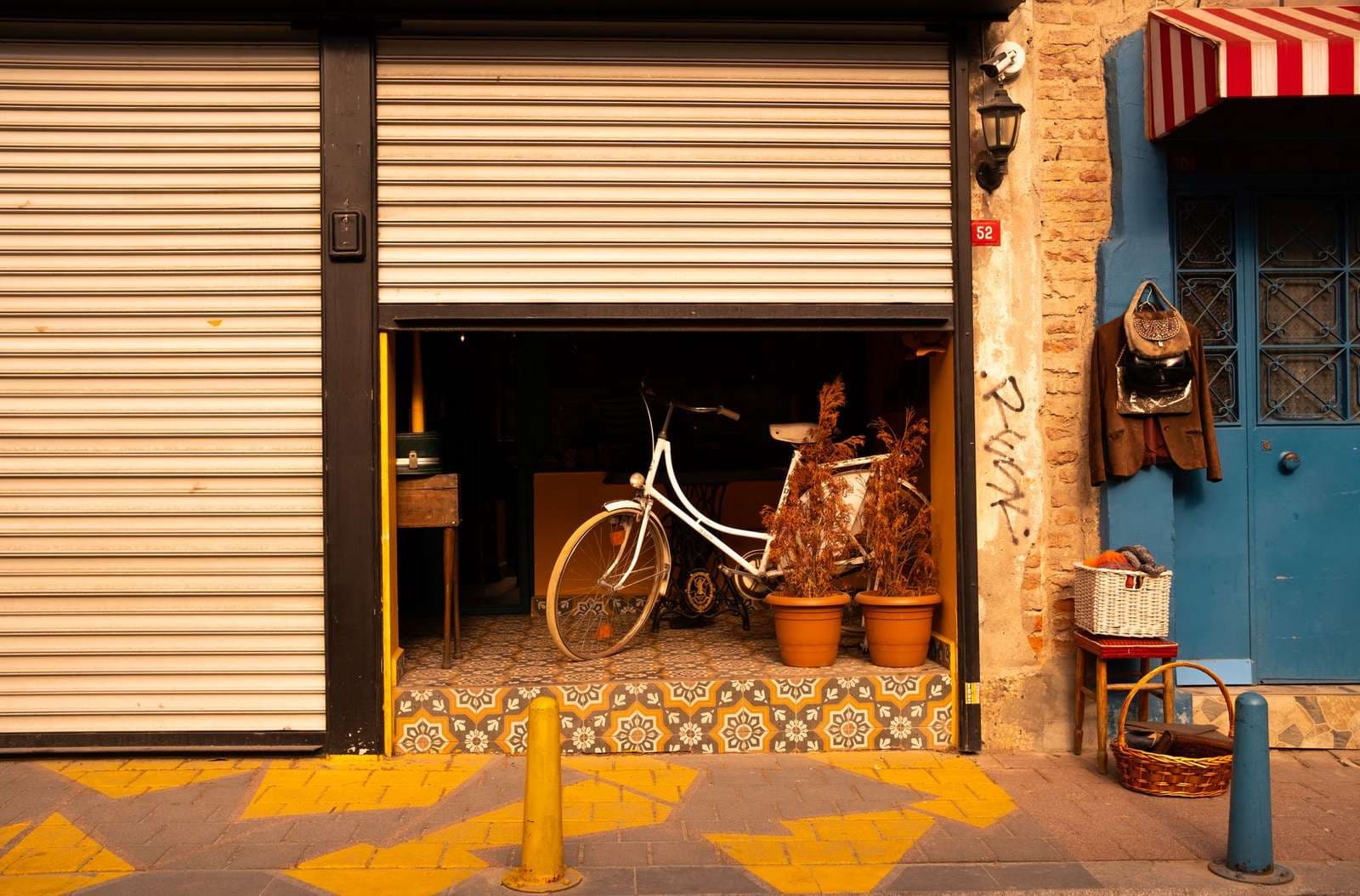
In Turab Nagar, Ghanta Ghar, Naya Ganj and the shopping strips of Indirapuram and Vaishali, the shutter is the facade for half the day. A rolling shutter has to roll freely past a sign box or a canopy, lock firmly, and survive dust and rain. Manual shutters are the norm for small openings. Wider openings, or shops where one person locks up alone, benefit from a motorised shutter with a manual override for power cuts. Rolling shutter: manual vs motorised compares the two.
Shutter problems are the most common facade complaint we hear about: a shutter that sticks halfway, a lock that jams, or a curtain that is loud enough to wake the flat upstairs. See rolling shutter stuck, shutter lock jammed and shutter noisy.
Industrial units in Sahibabad and along Meerut Road
Factories and warehouses need large rolling shutters for loading bays, louvres in the upper walls for ventilation, and often an ACP-clad front office to give the unit a presentable face to visitors. Motorised shutters suit wide bays that are opened many times a day. Louvres let hot air escape and keep rain out, which matters in sheds that run hot through May and June; the louvres glossary entry explains blade angles. See the warehouses and factories page for the wider industrial picture.
Offices, clinics and banks: glass that looks finished
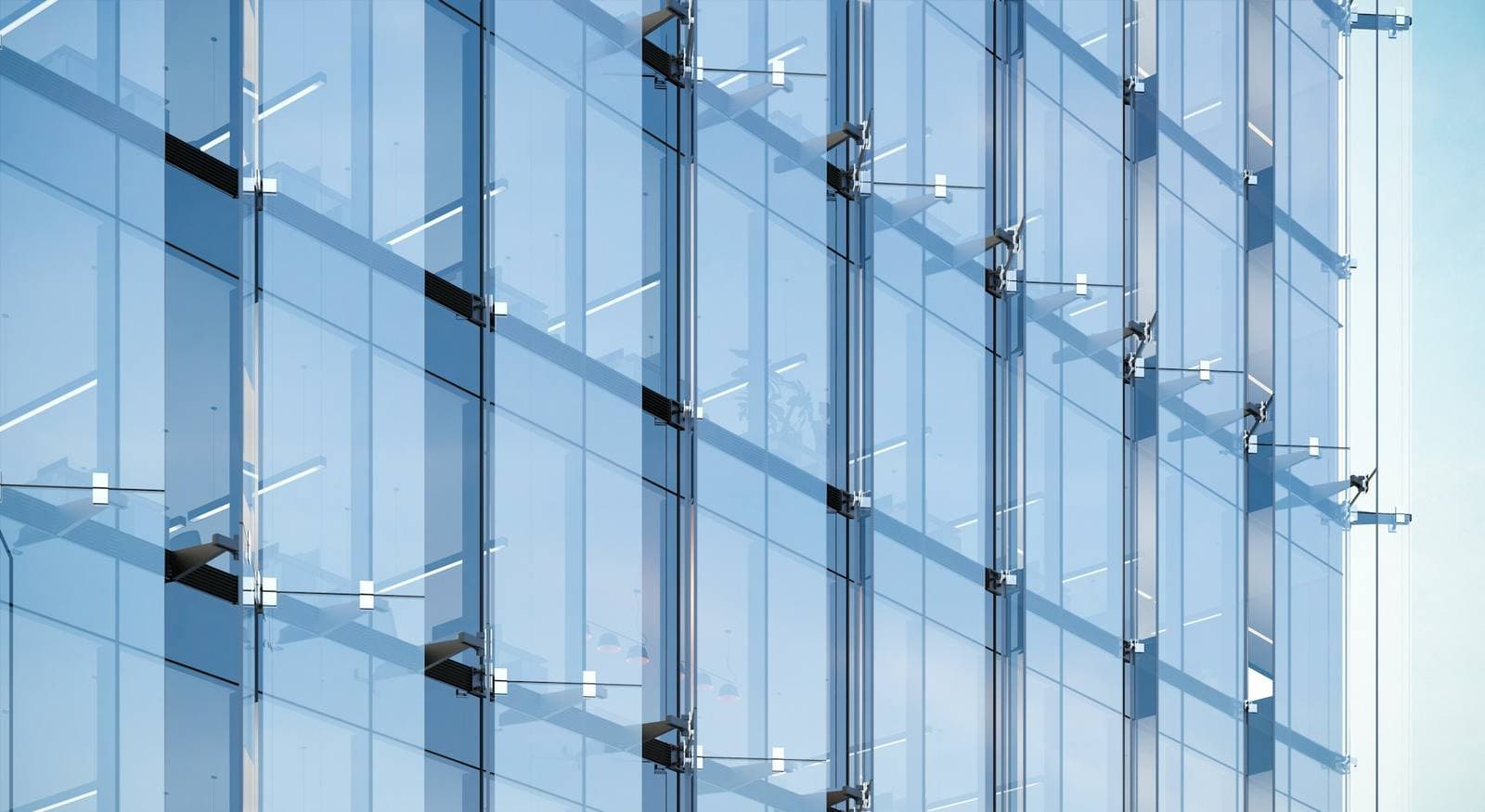
In Kaushambi and Vaishali, newer office buildings and hospitals use structural glazing to give a smooth glass front. It depends on the structural silicone bond between the glass and the aluminium frame behind it, so the quality of the sealant work is what keeps it watertight over the years. A glazed front that leaks after heavy rain usually means failed silicone or blocked drainage; see structural glazing leak. For a bank branch or ATM, a banks and ATMs page covers security glazing and shutters.
Coaching and clinic buildings in Raj Nagar District Centre
RDC's blocks are tightly packed with coaching institutes, clinics, banks and restaurants, each fighting for attention from the road. A common brief is to clad a whole floor front in ACP to carry a large sign, with a band of glass or louvres for the classrooms or consulting rooms behind. Two things matter here. First, the floors behind the cladding still need light and air, so the ACP has to be cut around windows or replaced by louvres in front of them; a facade that blacks out the classrooms is a false economy. Second, buildings in a district centre usually have several owners and tenants, so the landlord or building association has to approve any change to the shared front. Aluminium louvres in front of AC outdoor units are a neat way to tidy a cluttered elevation at the same time; see aluminium louvres.
Dust, heat and pollution on a Ghaziabad facade
- Dust and traffic grime stick to ACP and glass on main roads. Smooth, light-coloured panels show it less; a cleaning plan with the landlord helps.
- Strong summer sun fades poor-quality ACP coatings; see ACP colour fading.
- Wind at height loosens badly fixed panels; see ACP panel loose.
- Heavy monsoon bursts test every joint. Weep paths and sealant are what keep water out.
How facade work is priced and run
The price comes from the area to be clad or glazed, the panel or glass specification, the aluminium or steel substructure, the height and access (scaffolding or a boom lift on a busy road), and any old cladding that has to come off. The ACP cladding price guide explains each factor. Work on a building's exterior can also need permission from the landlord, the market association or the local authority, especially for signage; check that before the work starts.
- Book a site visit for ₹99, adjusted against the final bill; usually within 24–48 hours.
- We measure the front, check the wall behind it, and note access and traffic.
- You get a free, all-inclusive written quote within about 2 hours, valid for 3 days.
- Fabrication starts on the 50% advance; we plan installation to suit the street and your trading hours.
- The balance 50% is paid on completion.
Every system is in the facades and shutters catalogue. For a shop that also needs a glass door, see glass office partitions in Ghaziabad; for showroom ideas, see shop front design ideas and the retail shops page. The Noida equivalent is facades and shutters in Noida, and the Ghaziabad page lists everything else we do here. Book a visit and we will measure your front.
Where in Ghaziabad
Common questions
How much does ACP cladding cost in Ghaziabad?
There is no fixed rate on the site. ACP is priced from the area, the panel specification and core, the aluminium substructure, the height and access, and any removal of old cladding. We measure at a site visit and send a free, all-inclusive written quote within about 2 hours, valid for 3 days.
Do I need permission to change my shop front in a Ghaziabad market?
Often. The building owner or landlord usually has to agree, market associations sometimes have rules about signage and shutter lines, and large signboards can need local authority approval. Check these before the work starts so the design does not need changing halfway.
Shutter motor lagwana worth hai?
For a wide shutter or one that is opened and closed many times a day, usually yes. A motor saves effort and wear on the springs. Ask for a manual override so the shutter can still be opened during a power cut. For a small shop opening, a well-balanced manual shutter is often enough.
Is structural glazing better than ACP for a showroom?
They do different jobs. Structural glazing shows off the interior and brings in daylight; ACP hides an old front and carries signage. Many showrooms use glazing at ground level and ACP above. The choice depends on what you sell, how much daylight you want and the budget.
Can you fit rolling shutters on a factory loading bay in Sahibabad?
Yes. Large shutters for loading bays are usually motorised and need strong guide channels and a well-anchored top box. We measure the opening, check the wall and lintel, and quote after the visit. Louvres for ventilation can be quoted alongside.
Why is my structural glazing leaking after rain?
Usually the silicone joints have failed or the drainage paths behind the glass are blocked. Heavy, wind-driven monsoon rain finds any weak joint. Send photos of where the water appears and the joints near it, or book a visit, and we will look at what can be resealed.
Services on this page
Every style, with its own page
- ACP claddingAluminium composite panels on a frame over a shop or building front, in the colour of your signage.
- Structural glazingA glass facade bonded to an aluminium frame, so the outside of the building reads as one sheet of glass.
- Rolling shutterA roll-up steel shutter for a shop or garage, manual or motorised.
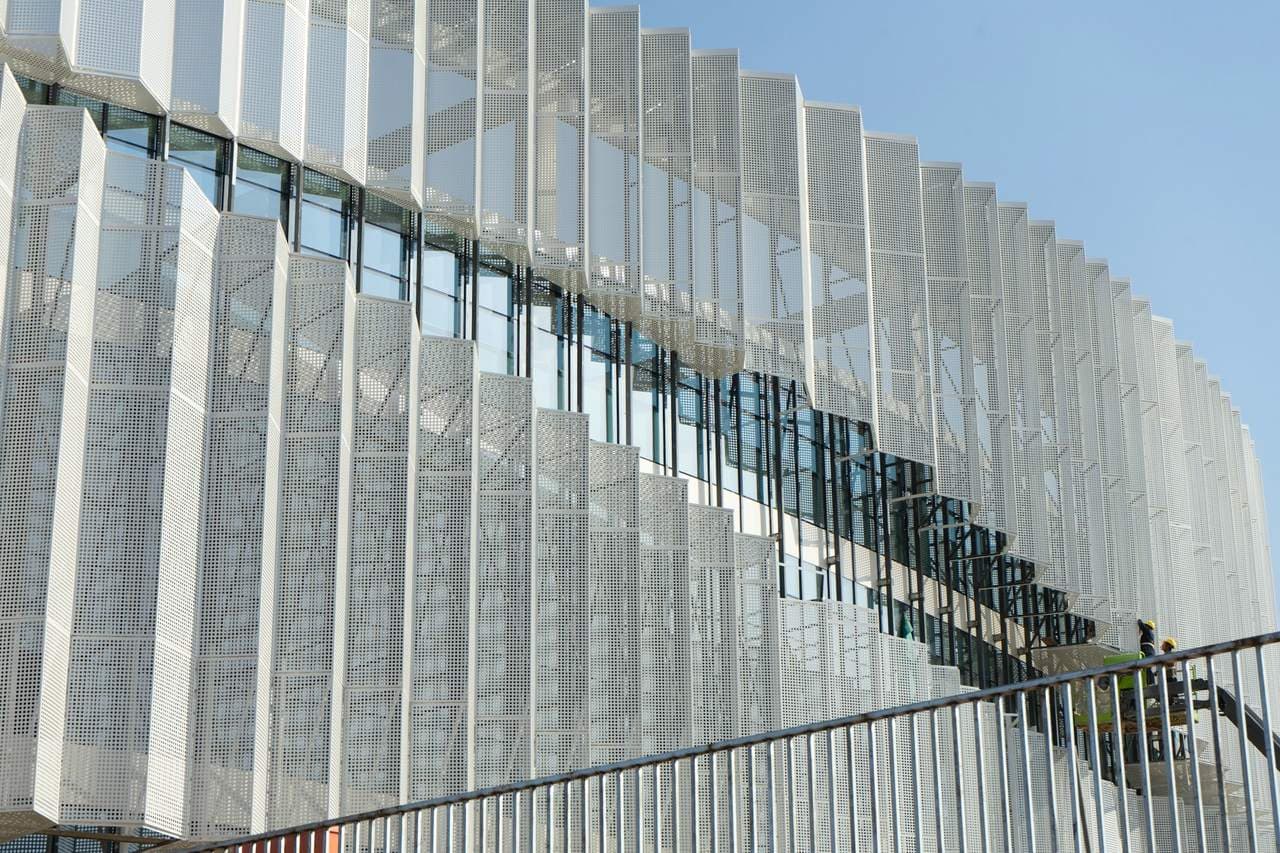
- Aluminium louvresFixed aluminium fins for a facade, a service duct or a balcony screen, to shade and hide without closing off the air.
- All facades and shutters
Prices and problems
- ACP cladding price
- Rolling shutter is stuck halfway, jammed or too heavy to lift
- ACP cladding panel is loose, bulging or coming off the wall
- ACP cladding has faded, chalked or turned patchy in colour
- Rolling shutter grinds, screeches or bangs when opened and closed
- Rolling shutter lock won't open or the key won't turn
- Water leaks through a structural glazing or glass facade
Elsewhere
- ACP Cladding, Facades & Shutters in Gurgaon
- ACP Cladding, Facades & Shutters in Noida
- ACP Cladding, Facades & Shutters in Delhi
- ACP Cladding, Facades & Shutters in Faridabad
- ACP Cladding, Facades & Shutters in Greater Noida
- ACP Cladding, Facades & Shutters in Chandigarh
- Office Glass Partitions in Ghaziabad
- Bathroom Glass Partitions in Ghaziabad
- Glass Repair & Replacement in Ghaziabad
- MS & SS Metal Fabrication in Ghaziabad