

Aluminium or uPVC Sliding Door
Check our reviews on GoogleQuoted after site visit
Measured on site, then a written, all-inclusive quote.
- Site survey
₹199₹99, adjusted in the final bill - Installed by professionals
More windows & doors
Check out more options below
- Most asked forAluminium sliding window
Slim aluminium frames on rollers, with glass and a mesh track if you want one.
Quoted after site visit
- uPVC window
uPVC sliding or casement windows, sealed against dust and road noise.
Quoted after site visit
- Slide-and-fold door
Glass panels that fold and stack to one side, opening a wall almost completely.
Quoted after site visit
- Mosquito mesh for windows and doors
Sliding, pleated or fixed mesh fitted to the windows and doors you already have.
Quoted after site visit
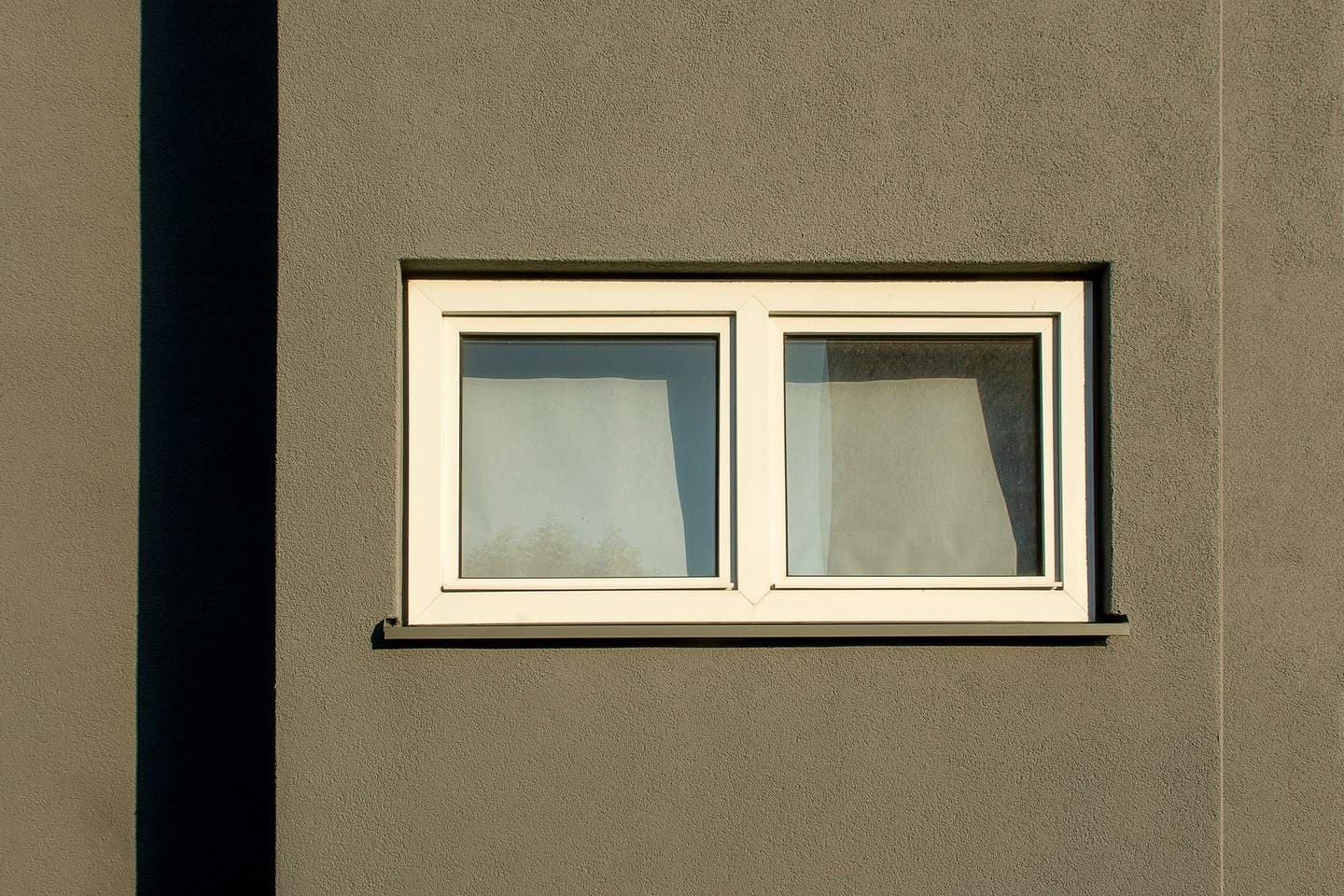
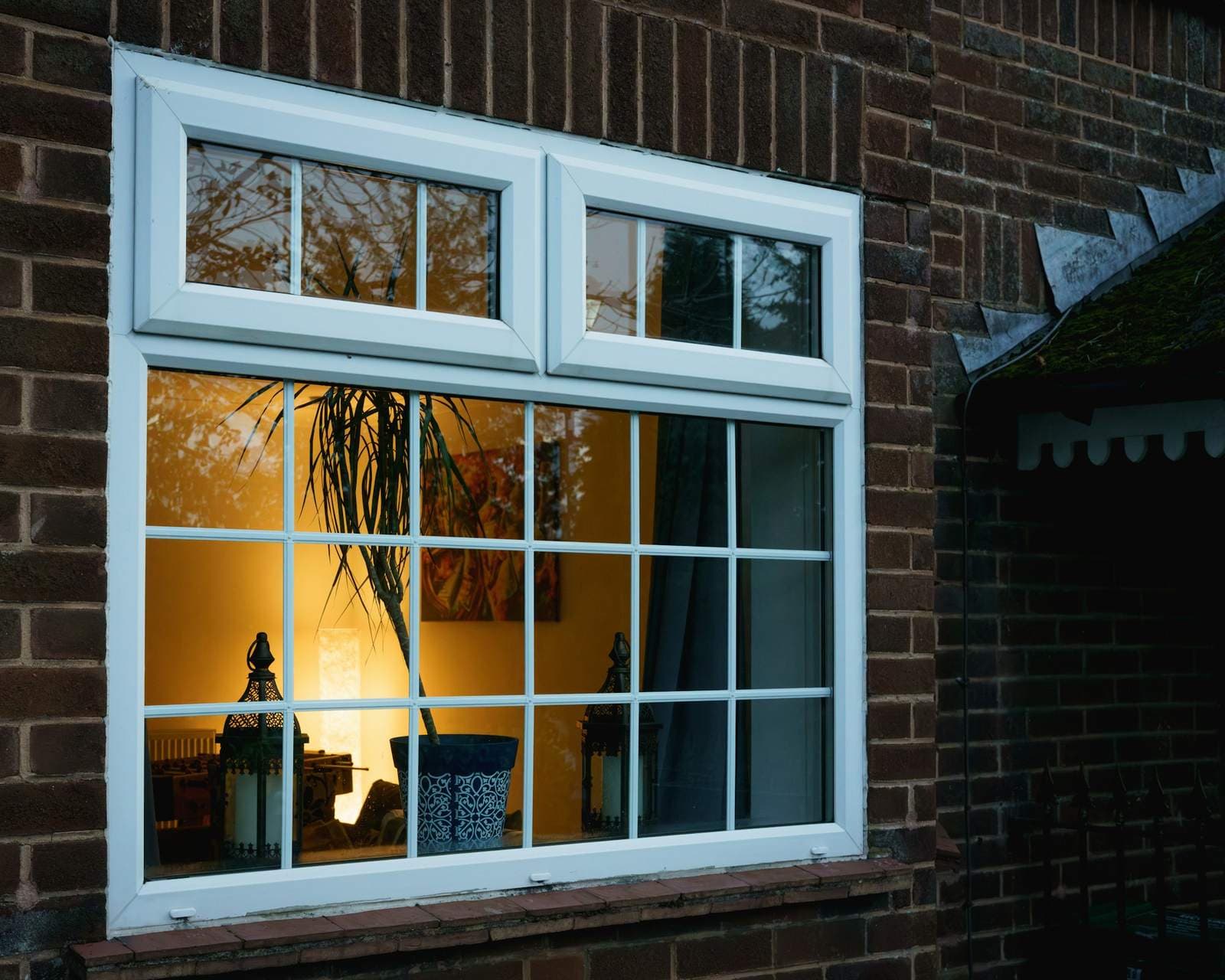
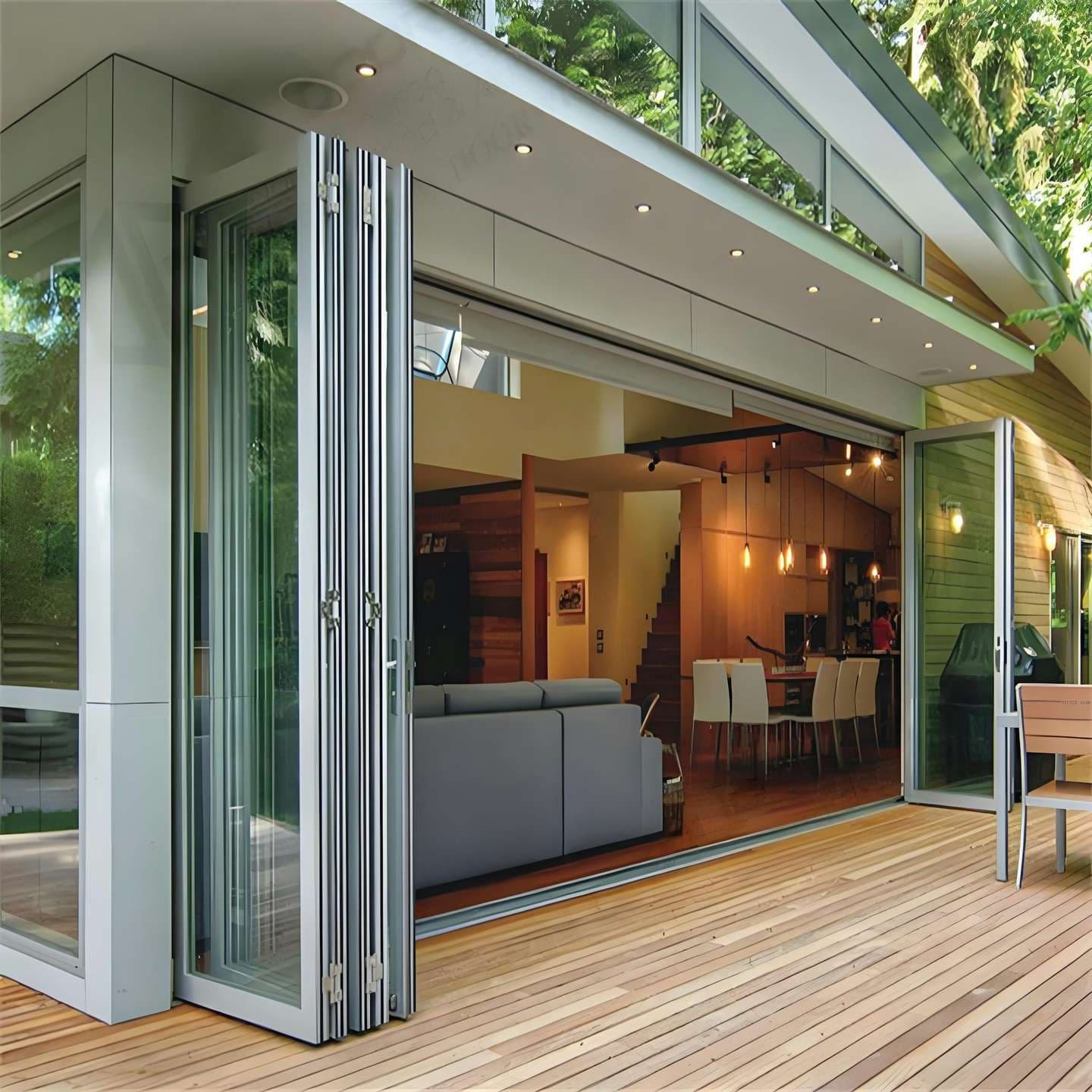

515 site visits requested in Gurugram & Noida — and counting
How it works
Choose your service
Choose a service and leave your contact.
We measure and survey
We visit within 24–48 hours. Site visit
₹199₹99, adjusted in the final bill.Exact fixed quote given
All inclusive quotation sent after measurements.
Work starts after advance paid
50% to begin, and the rest once the job is finished.
Sliding glass doors to balconies and gardens
A sliding door is a full-height glazed shutter running on heavy-duty rollers in a floor track, in an aluminium or uPVC frame, opening a balcony, terrace or garden without a door swinging into the room. Configurations include two-track, three-track with a mesh shutter, and lift-and-slide systems for very large panels. Glass is toughened as a minimum because it sits at floor level, with double glazing available for heat and noise. The constraint is the bottom track: its height, drainage and the floor level on either side decide whether rain stays out and whether the threshold is a trip step. Measured on site and installed by one team.
Most apartments in Gurugram and Noida open onto a balcony through a sliding door, and most of the complaints we hear about doors start there: shutters that jump the track, rain coming in under the sill, a gap that whistles in winter. A well-built sliding door avoids all of it. We make them in aluminium or uPVC, glaze them in toughened glass, and set the track for your floor and balcony levels.
Aluminium or uPVC frame for a sliding door?
Both materials make good sliding doors, but they suit different priorities.
Aluminium is stiff, so it can carry tall, wide shutters on slim frames. That gives more glass and a cleaner look, which is why living-room doors to large balconies and penthouse terraces are often aluminium. Heavy-duty sliding series have deep sections, stainless rollers and multi-point locks. Finishes are anodised or powder coated in any colour.
uPVC frames are deeper and insulate better, and seal tighter against dust and noise, at the cost of chunkier sightlines. They suit bedrooms facing a main road and air-conditioned rooms. Large uPVC doors rely on internal steel reinforcement to stay straight.
For very large openings there are lift-and-slide systems: turning the handle lifts the shutter off its seals onto rollers, and lowering it presses it down onto the gasket. They slide easily despite the weight and seal much better than a standard slider.
Our uPVC vs aluminium windows guide covers the materials in more depth; most of it applies equally to doors.
Glass, mesh and locking
A sliding door is glass you can walk into, so toughened glass is the minimum, usually 8mm to 12mm for single glazing depending on shutter size. Toughened glass is several times stronger than ordinary glass and breaks into blunt fragments.
For heat and noise, a double glazed unit (two panes with a sealed gap) suits west-facing balconies that bake in the afternoon and bedrooms facing busy roads. Reflective or tinted glass reduces glare on upper floors.
A three-track frame adds a mosquito mesh shutter on its own track, so the glass can be open with the mesh closed on monsoon evenings. Alternatively, a pleated mesh folds away into a slim side cassette.
Locks range from a simple hook lock to multi-point locking, which pulls the shutter tight at several points and is the better choice on ground floors and terrace doors. Child-safety and key locks are available on most systems.
If what you want is a whole wall that opens, a slide-and-fold door is the alternative to consider.
Getting the threshold right for monsoon rain
Most sliding-door problems in Delhi NCR start at the bottom track.
Balconies are meant to sit slightly lower than the room, with the floor sloping away to a drain. When the levels are equal, or the balcony slopes inward, wind-driven monsoon rain is pushed straight into the track. The track then needs a raised outer upstand, drainage slots that discharge outside, and a sealed joint to the floor. We check levels at the visit and design the sill around them.
A flush or recessed track is possible where the floor can be cut to take it, giving a step-free threshold. It needs good drainage below and is usually best planned during a renovation.
Dust is the other enemy. Grit in the track wears rollers and makes the shutter jump; see sliding door off track for what goes wrong. Brush seals at the interlock and a clean track prevent most of it.
In societies, balcony doors usually sit inside the building line, but any change to the outer face may need RWA consent, so check if the frame colour will change.
What changes the price of a sliding door
We quote sliding doors after measuring; there is no fixed rate on the site.
Opening size. Taller and wider shutters need heavier sections and rollers.
Frame material and series. Domal or standard aluminium, slim heavy-duty aluminium, uPVC, or a lift-and-slide system.
Number of tracks and shutters. Two-track, three-track with mesh, or four shutters meeting in the middle.
Glass. Single toughened, tinted or reflective, or a double glazed unit.
Hardware. Roller grade, multi-point locks, handles.
Threshold work. A flush track or a raised sill may need floor cutting and making good.
Removal. Taking out an old door and frame.
Each door and its specification is itemised in the written quote, so you can see the effect of, say, double glazing on one door before you decide. Related price guidance for frames is on the uPVC window price page.
Process and looking after a sliding door
Book a site visit for ₹99, usually within 24 to 48 hours; the fee is adjusted against your bill if you go ahead. We measure the opening, check floor levels and the balcony fall, and agree frame, glass and locks. A written, all-inclusive quote usually follows within about two hours and is valid for three days.
After a 50% advance, the frame is fabricated and the toughened glass ordered to size; toughened glass production generally takes 7 to 10 days. On site we remove the old door, fix and seal the new frame, hang the shutters and adjust the rollers. The balance 50% is due on completion.
Vacuum the bottom track every week or two in the dusty months, keep the drainage slots clear, and do not lubricate the rollers with oil. Browse all options in the windows and doors catalogue, or the windows and doors in Gurgaon page.
Specification
- Frame
- Aluminium sliding series, uPVC with steel reinforcement, or lift-and-slide
- Tracks
- Two-track, or three-track with a sliding mosquito mesh
- Glass
- Toughened, commonly 8mm to 12mm; double glazed units where needed
- Locking
- Hook lock or multi-point lock, depending on the system
- Threshold
- Standard track with drainage, or flush track where the floor allows
- Lead time
- Toughened glass production generally 7 to 10 days
Common questions
Which is better for a balcony sliding door, aluminium or uPVC?
Aluminium is stiffer, so it suits large shutters on slim frames and gives more glass. uPVC insulates better and seals tighter against noise and dust, with deeper frames. For a large living-room opening many people choose aluminium; for a bedroom on a busy road, uPVC is often the better fit.
How do I stop rain coming in under a balcony sliding door?
Check the balcony slopes away from the door to a drain, the bottom track has a raised outer edge and clear drainage slots, and the joint between track and floor is sealed. Most leaks come from equal floor levels or blocked weep holes. We check levels during the site visit and design the sill to suit them.
How much does a sliding glass door cost in Gurgaon?
It depends on the opening size, the frame material and series, the number of tracks, glass type, locks and any threshold work. We do not publish a rate for doors; we measure and send a written, all-inclusive quote, usually within about two hours of the visit.
What glass thickness is used in a sliding door?
Toughened glass is the minimum for a door, commonly 8mm to 12mm for single glazing depending on the shutter's size, or a double glazed unit where heat and noise matter. The exact build is set after measuring, since larger shutters need thicker glass and stronger sections.
Sliding door baar baar track se utar jata hai, kya karein?
Usually the rollers are worn or misadjusted, the track is full of grit, or the frame has sagged. A clean and roller adjustment fixes many doors; worn rollers can be replaced. If the frame itself is distorted, replacing the door is often the lasting fix, which we assess at the site visit.
Where we fit it, and what it costs
- Windows & Doors in Gurgaon
- Windows & Doors in Noida
- Windows & Doors in Delhi
- Windows & Doors in Faridabad
- Windows & Doors in Ghaziabad
- Windows & Doors in Greater Noida
- What is aluminium sections?Aluminium sections are extruded aluminium alloy profiles, most often alloy 6063 in a T5 or T6 temper, that form the frames of windows, sliding doors, partitions, louvres and facades, finished by anodising or powder coating.
- What is double-glazed unit (dgu)?A double-glazed unit (DGU, or insulated glass unit) is two panes of glass held apart by a spacer and sealed around the edge, with dry air or gas trapped between them to cut heat and noise.
- What is epdm gaskets?EPDM gaskets are flexible synthetic-rubber seals, made from ethylene propylene diene monomer, used in windows, doors, facades and glass systems because they stay elastic and resist sun, ozone and weather far longer than PVC seals.
- What is hydraulic door closer?A hydraulic door closer is a spring-and-oil device, usually mounted at the top of a door, that pulls the door shut after it is opened and uses oil flow to control the closing speed.
- uPVC Window Price in Gurgaon: How It's Calculated
- Sliding window is jammed or needs two hands to move
- Rain water comes in at the window during the monsoon
- Dust, wind and traffic noise come in through closed windows
- Balcony sliding door has jumped its track or drags
- Mosquito mesh is torn, sagging or has come out of its frame
- Golf Course RoadSectors 42, 43, 53 and 54
- Golf Course Extension RoadSectors 58 to 67
- DLF Phases 1 to 5DLF City Phases 1, 2, 3, 4 and 5
- SPR SocietiesSectors 69 to 73, along the Southern Peripheral Road
- Nirvana CountrySector 50, beside South City 2
- Dwarka ExpresswaySectors 99 to 113, New Gurgaon
- Sushant LokSushant Lok Phase 1 (Sector 43), Blocks A, B and C
- South City 1 & 2South City 1 (Sector 41), South City 2 (off Sohna Road)
- Every windows & doors option