

Windows · Wind noise
Window whistling in the wind in Gurgaon: finding the gap that sings
A window whistles when wind forces air through a narrow gap: usually a worn interlock or brush seal on a slider, a gap at the corner of a casement gasket, or an open drainage path. Find the gap with a tissue or incense stick on a windy day and seal that point.
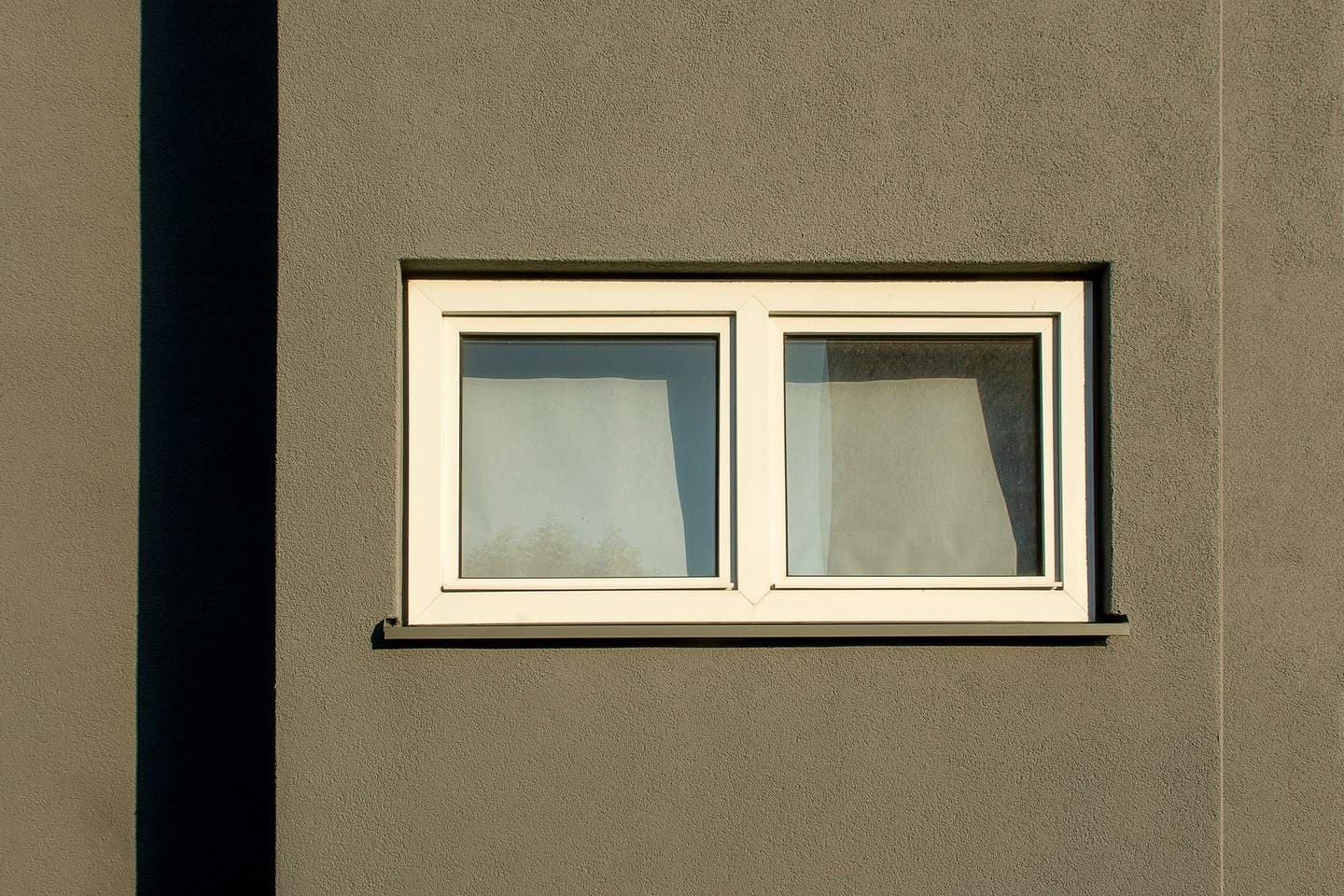
High-rise living in Gurugram, along Golf Course Extension Road or the Dwarka Expressway, and in Noida's Sector 150 towers, brings one unwelcome sound in the April dust storms: a thin, rising whistle from a window that's definitely shut. It's not a ghost, it's physics. A narrow slot under wind pressure works exactly like a whistle.
The short answer
Somewhere along the window there's a gap a few millimetres wide with wind pushing through it. The pitch depends on the shape of the gap, and the loudness on the wind pressure, which is why upper floors are worst. Locate the exact point, and you can usually fix it with the right seal rather than a new window.
Where the whistle usually comes from
The interlock of a sliding window
The vertical meeting point of two sliding shutters is a long slot with brush seals on both sides. When the pile wears or the shutters don't lock tight, wind pours through and whistles at the top or bottom end, where the interlock meets the track.
Interlock end caps missing
Small plastic or rubber caps close the ends of the interlock profile. They fall off or are never fitted on cheap windows, leaving a perfect whistle slot at the top corner.
Casement gasket gaps at corners
A hinged window seals against an EPDM gasket. If the gasket has shrunk at a corner, or the sash doesn't pull tight because the keeps are set loose, air whistles through that corner.
The drainage path
On very exposed floors, wind blows in through the weep slots and up through the track. You'll hear it low down, and it's worst in a storm from the side the window faces.
Gaps between frame and wall
A frame fitted into a rough opening with poor packing can whistle around its outside edge, especially at the top where sealant is often thinnest.
Finding the gap safely
- Wait for a windy day and close and lock the window fully.
- Move a strip of tissue paper, or a lit incense stick held well away from curtains, slowly round the frame, interlock and corners.
- Where the tissue flutters or smoke is pulled sideways, mark the spot with masking tape.
- Check whether the whistle changes when you push the shutter toward the frame. If it stops, the lock or keeps aren't pulling it tight.
| Where the gap is | Why it whistles | Fix |
|---|---|---|
| Top or bottom of slider interlock | Worn pile or missing end caps | New brush seals and interlock caps |
| Along the whole interlock | Lock not pulling shutters together | Adjust lock and keeper |
| Corner of a casement sash | Shrunk gasket or loose keeps | Replace gasket, tighten keeps |
| Low down, at the track | Wind entering through drainage | Fit weep-hole flaps, not blockers |
| Around the outer frame edge | Poor packing or cracked sealant | Re-seal frame-to-wall joint |
Repair or replace?
A whistle alone is a sealing job. Replacing the whole window makes sense only when the sliding window has thin, shallow interlocks that can't be sealed well, or when you also want to cut traffic noise and dust. A casement-style uPVC window compresses its gasket when locked, which is why it's quieter in wind than most sliders. A heavy-section aluminium sliding window with deep interlocks also works. If you are weighing the two, see sliding vs casement windows. For ventilation openings that rattle and whistle on facades, aluminium louvers are a separate fix.
How FabWise helps
Send a photo of the window with the taped spots marked, and an audio clip of the whistle, on WhatsApp. From that we can usually say which seal or cap is missing. If a visit is needed, it's ₹99 in Gurugram, Noida and our other Delhi NCR cities, and is adjusted against the bill. Seal and hardware work is quoted after we've seen the window.
Preventing it
Brush seals last longer when tracks are vacuumed, because packed grit flattens pile. Lock sliders rather than leaving them closed on the latch in storm season. Check interlock caps whenever the window is serviced.
A rattle rather than a whistle is covered in aluminium window rattling; fine dust on the sill is covered in dust and noise through closed windows. For louvre noise on building fronts see louvres rattling. See all windows and doors, or window work in Gurgaon.
Common questions
Why does my window whistle when it's windy?
Wind is forcing air through a narrow gap, usually at the interlock of a sliding window, a missing interlock end cap, or a shrunk corner gasket on a casement window. Find the spot with a tissue on a windy day and the right seal usually stops it.
How do I stop a sliding window whistling at night?
Lock the shutters fully so the interlock is pulled tight. For a temporary fix, a strip of soft foam tape on the interlock face helps. Don't block the drainage slots. A lasting fix is new brush seals and interlock caps.
Are uPVC windows quieter in wind than aluminium sliding windows?
Casement or tilt-and-turn uPVC windows usually are, because locking them compresses a rubber gasket all round the sash. A uPVC slider has the same interlock challenge as an aluminium slider, so the opening style matters more than the material.
Aandhi mein khidki se seeti jaisi awaaz aati hai, kya karein?
Find where the air is coming in with a tissue paper while the wind blows. Usually it's the middle joint of a sliding window or a missing end cap. New brush seals or caps typically stop the whistle without replacing the window.
Services on this page

Related problems
- Sliding window is jammed or needs two hands to move
- Rain water comes in at the window during the monsoon
- Dust, wind and traffic noise come in through closed windows
- Balcony sliding door has jumped its track or drags
- Mosquito mesh is torn, sagging or has come out of its frame
- uPVC window handle won't turn, or turns but the window stays locked
Get it fixed
- Aluminium & uPVC Windows and Doors: every option
- Aluminium & uPVC Windows and Doors in Gurgaon
- Aluminium & uPVC Windows and Doors in Noida
- Aluminium & uPVC Windows and Doors in Delhi
- Aluminium & uPVC Windows and Doors in Faridabad
- Aluminium & uPVC Windows and Doors in Ghaziabad
- Aluminium & uPVC Windows and Doors in Greater Noida
- uPVC window price