

Metal Fabrication
Sliding Gate Automation: Motors, Safety and What Your Gate Needs First
Most automated sliding gate problems are gate problems, not motor problems. What a sliding gate motor needs, how to size it, which safety features matter, and how to prepare an existing gate.
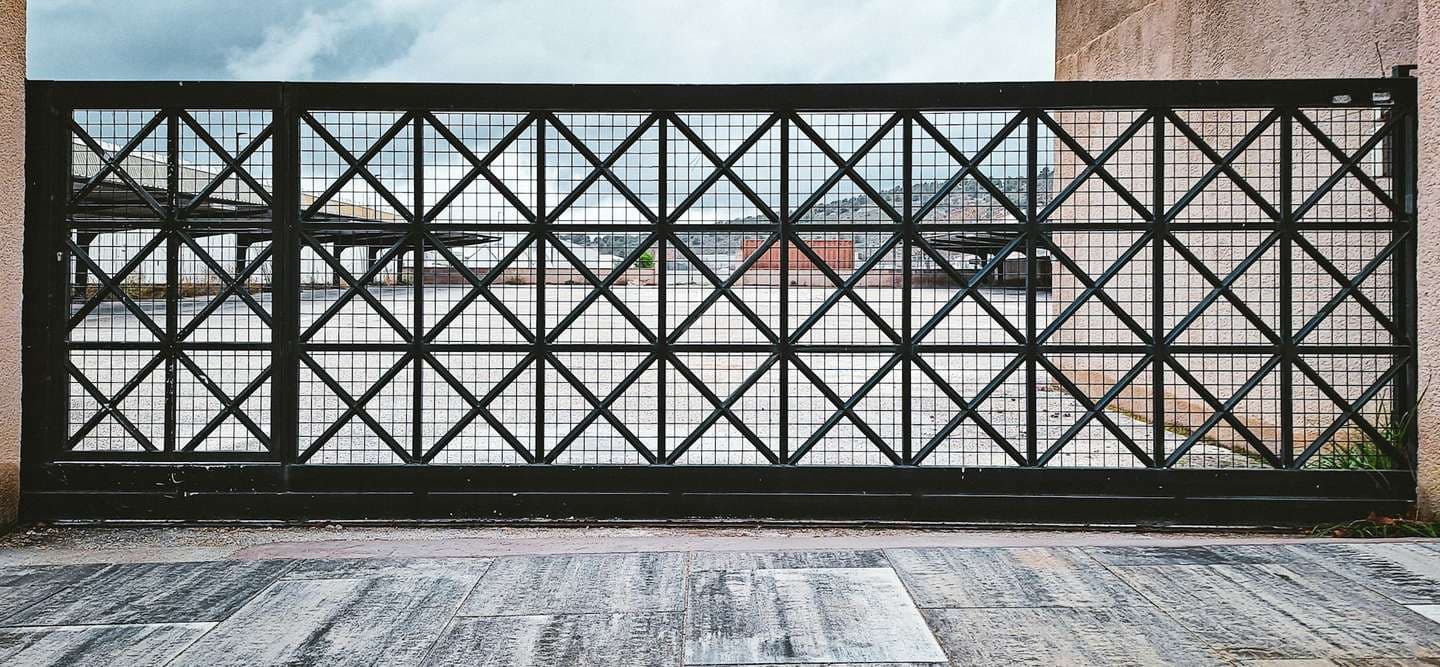
Sliding gate automation works well when the gate itself slides easily by hand, runs dead straight and level, and has a solid place to mount the motor. Most systems use a rack-and-pinion motor bolted beside the opening: a toothed rack fixed along the gate meshes with a gear on the motor, which pushes the gate open and pulls it shut. Choose a motor rated above your gate's weight and for how often it will open, and insist on safety sensors, a manual release and battery backup for power cuts.
This guide is for homes, builder floors and small commercial premises in Gurugram, Noida and across Delhi NCR that want a motorised gate, whether new or retrofitted.
How does an automatic sliding gate work?
The motor unit sits on a concrete or steel base beside the gate, at the end the gate slides towards. A steel or nylon gear rack is fixed along the gate's lower frame. When the motor runs, its pinion gear turns against the rack and drives the gate. Limit switches (magnetic or spring type) tell the motor where open and closed are, so it stops in the right place. A control board inside the motor housing handles the remote, the safety inputs and the timing.
Swing gates use arm-type or underground motors instead, which is one reason many owners choose a sliding gate when they plan to automate. Our main gate design guide compares the two gate types; this page stays with automating a sliding one.
Does your gate need work before it is motorised?
Almost always worth checking. A motor is designed to move a gate that already moves freely; it is not designed to drag a gate that sticks. If a gate needs real effort to push, a motor will strain, overheat, trip, and wear out early.
- Push test: one adult should be able to slide the gate along its full travel with steady, light force. Jerks and tight spots mean a track or wheel problem.
- Track: the floor rail should be straight, level, firmly fixed and clear. A bent or sunken track is the commonest cause of a sliding gate that gets stuck.
- Wheels: grooved wheels should match the track profile and turn freely on good bearings.
- Top guides: rollers at the top of the gate post keep it upright; a gate that leans will bind.
- Frame: the gate must be stiff and straight. A twisted or sagging frame throws the rack out of line; see gate sagging and dragging.
- Stoppers: physical stops at both ends, so the gate can't run off the track if a limit switch fails.
How do you choose the right motor?
| What to check | Why it matters | What to ask for |
|---|---|---|
| Gate weight | The motor is rated for a maximum gate weight | A rating comfortably above your gate's weight, not just equal to it |
| Usage per day | Frequent cycles heat the motor; light-duty motors need rest | A duty rating that fits a home, a society or a commercial gate |
| Motor type | AC motors are common and simple; DC motors allow soft start/stop and run off battery | DC with battery backup if power cuts are frequent |
| Rack type | Steel racks suit heavy gates; nylon racks are quieter on lighter ones | A rack matched to the gate weight and the motor pinion |
| Speed and soft stop | Fast gates are convenient but harder on the hardware | Soft start and slow-down near the ends |
| Manual release | Lets you open the gate by hand in a power cut or fault | A key release that's easy to reach from inside |
Gate weight is the number people most often guess. An MS gate with CNC jaali or full sheet can be much heavier than a gate of vertical bars of the same size. Get an estimate from the fabricator, and if in doubt, choose the next motor size up.
What safety features should an automatic gate have?
- Photocell sensors: an infrared beam across the opening; if a car, child or pet breaks the beam while the gate is closing, it stops and reverses.
- Obstacle detection: the motor senses extra resistance and stops or reverses.
- Safety edges: a rubber strip on the leading edge that triggers a stop when pressed.
- Warning light: a flashing lamp while the gate moves, useful where the gate opens onto a busy lane.
- Gap guards: no gaps between the gate and the post where fingers can be caught as the gate slides past; mesh on the lower part of open-bar gates helps.
- Earthing and a dedicated supply: the motor should be properly earthed and on its own protected circuit.
In housing societies and commercial sites, where many people and vehicles pass, these features matter even more. The housing societies and warehouses and factories pages describe the larger gates these sites use.
How do you open it: remote, app or card?
Most gates come with handheld remotes. Many control boards also accept a keypad, an RFID card reader, a wall push-button, or a Wi-Fi or GSM module so the gate can be opened from a phone. A pedestrian mode that opens the gate partway is handy for people on foot. Decide what you want before the electrician runs cables, so conduit for a keypad or button goes in at the same time.
What about power cuts and the monsoon?
- Battery backup, available on many DC motors, keeps the gate working through short power cuts.
- The manual release should be easy to use; check where the key is kept.
- The motor base should sit above the level of standing water, and cables should run in sealed conduit.
- The track and rack collect dust and leaves; clear them regularly, and keep the track's drainage open.
A motor that suddenly stops mid-way, reverses for no reason or hums without moving usually points to a blocked sensor, a gate that has started binding, or a tripped supply, so check those first.
Can an existing gate be automated?
Often, yes, if it passes the checks above. Retrofitting usually means fixing the rack along the gate, casting or fixing a base for the motor, running power to it, setting the limits and adding sensors. If the track, wheels or frame need work, that comes first. If you are ordering a new MS sliding gate, say at the outset that it will be motorised, so the frame, rack fixing and motor position are designed in.
The same logic applies to shop shutters: a rolling shutter that is heavy or jammed has to run freely before a motor can help. See rolling shutter manual vs motorised for that comparison.
How is a motorised gate job priced?
The total depends on the gate (size, design, weight and finish), the track or cantilever system, the motor and its accessories, and the civil and electrical work at the post. We don't publish rates for this work. Gates are quoted after a ₹99 site visit in Gurugram, Noida, Greater Noida and the rest of Delhi NCR; the fee is adjusted against your bill if you go ahead, and the written quote states exactly which motor, sensors and accessories are in scope. The MS gate price guide explains what moves the gate figure itself.
Browse metal fabrication, or see metal fabrication in Gurgaon and metal fabrication in Noida. Send a short video of your gate sliding on WhatsApp to start.
Common questions
Can I automate my existing sliding gate?
Usually yes, if the gate slides easily by hand along a straight, level track and the frame is stiff. A rack is fixed along the gate and a motor is mounted on a base beside the opening, with power and sensors added. If the gate sticks or drags, the track and wheels have to be fixed first.
What size motor do I need for a sliding gate?
Choose a motor rated comfortably above the gate's actual weight and for how many times a day it will open. Jaali or full-sheet MS gates are heavier than bar gates of the same size. When the weight is uncertain, going one size up is safer than running a motor at its limit.
What happens to an automatic gate during a power cut?
Many DC motors have a battery backup that keeps the gate working for a number of cycles. Every motor should also have a manual release, usually a key, that disconnects the gear so you can slide the gate by hand. Check where that key is kept before you need it.
Automatic gate bachchon ke liye safe hai kya?
It can be, if it has photocell sensors across the opening, obstacle detection that stops and reverses the gate, and no finger gaps where the gate passes the post. A flashing warning light helps too. Never let children play near a moving gate, and test the sensors regularly.
Why does my automatic sliding gate stop halfway?
The usual causes are a blocked or misaligned photocell, a gate that has started binding on the track, dirt on the rack, a limit switch out of position, or a tripped supply. Check the track and sensors first. If the gate is hard to push by hand, the gate needs attention before the motor.
What this page is about

Read next
- Main Gate Designs for Indian Homes: Materials, Styles and SizesSwing or sliding, MS or stainless, plain or CNC jaali: how to choose a main gate for a house or builder floor in Gurugram or Noida that opens easily and does not rust or sag.
- MS Gate Rust Protection: Primer, Paint, Powder Coat or Galvanising?A mild steel gate rusts from the places nobody paints. Which coating system to ask for, how each one holds up through a Delhi NCR monsoon, and how to stop rust on a gate you already have.
- Window Grill Designs That Are Secure, Fire-Safe and Look GoodA grill has two jobs that pull against each other: keep intruders out and let you out in a fire. Design styles, spacing, the openable panel most homes forget, and how to fix a grill so it stays put.